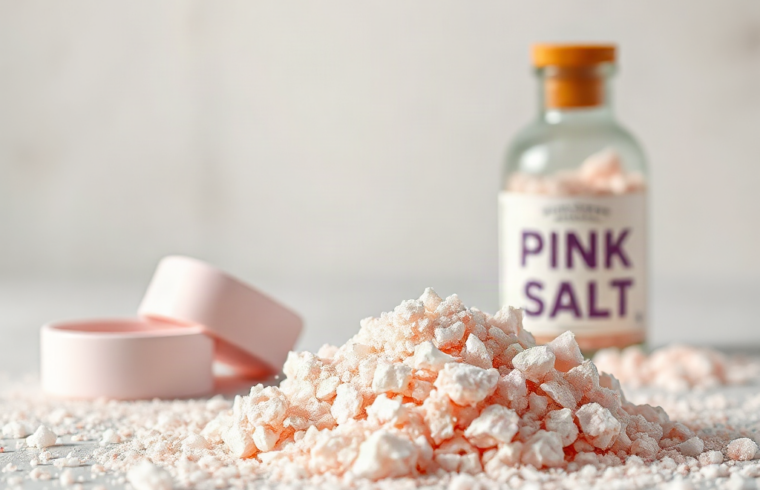
Pink salt and weight loss claims do not have convincing evidence behind them: Himalayan pink salt does not burn fat, accelerate metabolism, or create a meaningful calorie deficit. Its trace minerals occur in amounts too small to make it a weight-management tool, while its sodium can temporarily increase water retention and scale weight. A salt-water drink may also cause thirst, nausea, or digestive upset rather than lasting fat loss. Use pink salt as a seasoning if you enjoy its flavor, but prioritize portion awareness, protein- and fiber-rich foods, regular activity, sleep, and a sustainable energy deficit for measurable fat reduction.
Why Is Pink Salt Linked to Weight Loss?
Pink salt attracts weight-loss attention because several different ideas are often bundled into a single claim. Its color suggests a less processed product, its label may mention trace minerals, and online routines frequently combine it with water, lemon, or a morning fasting ritual. None of those features establishes that the salt itself reduces body fat.
Himalayan pink salt is primarily sodium chloride, much like table salt and sea salt. Its color comes from small amounts of mineral compounds, but “contains minerals” is not equivalent to “provides nutritionally meaningful mineral doses.” A person would have to judge a food by the amount of each nutrient delivered in a normal serving, not by the length of its mineral list. Increasing salt intake to obtain trace minerals would also increase sodium intake, making ordinary foods a more practical source. Vegetables, fruit, legumes, dairy foods, nuts, seeds, fish, and whole grains provide useful nutrients without relying on extra salt.
The surrounding routine can create misleading feedback. Someone who replaces a sweetened breakfast drink with water containing lemon and a pinch of salt may consume fewer calories that morning. If weight decreases over time, the calorie change—not a special property of pink salt—is the more plausible explanation. Similarly, drinking water before eating may affect how much some people consume, but plain water can serve that purpose without added sodium.
Short-term digestive effects can also be mistaken for progress. A concentrated salt-water drink may trigger bowel movements or cause fluid shifts. That can produce a temporary change in scale weight, yet it does not show that stored body fat has been used for energy. A laxative-like response is particularly weak evidence because fluid and intestinal contents can return quickly.
The common mistake is treating “natural,” “unrefined,” or “mineral-rich” as proof of a metabolic effect. Those descriptions concern origin or composition, not whether an ingredient changes energy balance. The practical test is straightforward: identify what the pink salt is supposed to do, then ask whether that mechanism would plausibly increase energy expenditure, reduce energy intake, or improve adherence to a balanced eating pattern. Most promotional explanations do not demonstrate any of those pathways.
What Does the Evidence Say About Fat Loss?
Fat loss requires the body to use more stored energy than it adds over time, and pink salt has no established role in creating that condition. Salt contains no meaningful calories, but being calorie-free does not make an ingredient a fat burner. It must still change appetite, food intake, activity, or energy expenditure in a reliable way to affect fat loss.
Claims about “boosting metabolism” are especially weak when they do not identify a credible dose and mechanism. Trace minerals in pink salt are not present in the same amounts as a balanced meal or a targeted nutrient source. A visible speck of a mineral compound is not evidence that a normal pinch of salt supplies enough to alter thyroid function, cellular energy use, or resting metabolism. Mineral deficiencies also should not be self-diagnosed or treated by consuming more specialty salt.
Detox language creates a second problem. The body already processes and removes waste through organs including the liver and kidneys. A salty drink does not selectively remove body fat or cleanse calories consumed previously. If it causes diarrhea, vomiting, or reduced food intake because the person feels unwell, the resulting scale change is neither a dependable nor a healthy fat-loss method.
Consider two breakfasts. One consists of a pink-salt drink followed by a pastry; the other includes plain water, eggs or unsweetened yogurt, fruit, and oats. The first breakfast may carry a wellness label, but the second supplies protein and fiber that can make the meal more satisfying. That difference has practical relevance because hunger control may make an appropriate calorie intake easier to maintain. The salt color does not outweigh the composition of the full meal.
A useful evidence check separates direct effects from substitutions and accompanying behaviors:
- Direct effect: Is there credible evidence that pink salt itself changes fat metabolism or energy expenditure?
- Substitution: Did the routine replace a caloric drink, snack, or large meal?
- Behavior change: Did the person begin tracking portions, cooking more often, or exercising at the same time?
- Measurement: Was the reported change sustained for weeks, or was it a one-day shift on the scale?
When a routine appears to work, the substitution or broader behavior change is usually the more useful element to preserve. Keep the lower-calorie beverage, structured meal, or consistent activity if it suits you; the added pink salt is not required to maintain those habits.
How Do Sodium and Water Weight Affect the Scale?
Sodium can change body water, which makes daily scale readings a poor test of whether pink salt causes fat loss. The body regulates sodium and fluid together. A salty meal may be followed by increased thirst and temporary water retention, while changes in hydration, carbohydrate intake, bowel contents, and menstrual cycles can move scale weight independently of body fat.
This distinction matters when someone starts a salt-based routine and weighs themselves the next morning. A lower number might reflect less food in the digestive tract or altered fluid intake. A higher number may follow the added sodium. Neither result reveals how much fat changed overnight. Fat-loss trends are better assessed through consistent measurements taken under similar conditions and interpreted across multiple weeks.
For example, restaurant food, cured meats, packaged soups, salty sauces, and snack foods can deliver considerably more sodium than a lightly seasoned home-cooked meal. A person may weigh more after such a meal even when their average calorie intake remains appropriate. Reacting by fasting, taking a salt flush, or sharply restricting water can create a cycle of dehydration and rebound eating without clarifying the underlying trend.
Pink salt is not inherently sodium-free or low-sodium. Differences in crystal size can change how much fits into a teaspoon, but that does not turn it into a sodium-reduction product. Comparing products by weight or by the sodium amount on the Nutrition Facts label is more reliable than assuming coarse crystals, premium packaging, or a pink color indicate a major health advantage.
Iodine deserves separate attention. Many standard table salts are iodized, whereas specialty pink salt may not provide iodine unless the label specifically says it does. Iodine is needed for normal thyroid hormone production, but consuming unmeasured pink salt is not a sound way to manage thyroid concerns. People who replace iodized salt entirely should consider their overall iodine sources, which may include seafood, dairy products, eggs, and fortified foods depending on their diet and location.
A sensible monitoring approach is to record weight at a consistent time, look at a rolling trend rather than isolated readings, and note unusually salty meals. Signs that a plan is working include a gradual trend aligned with sustainable eating and activity habits. Repeated dizziness, severe thirst, vomiting, diarrhea, swelling, or large fluid fluctuations are reasons to stop experimental salt routines and seek appropriate medical advice rather than interpreting symptoms as detoxification.
Support Your Weight Loss Goals Huge Discount on the Best Certified Organic Nutrient Dense Supplement!
How Should You Evaluate a Pink Salt Routine?
Evaluate any pink salt routine by examining the dose, promised mechanism, full dietary context, and personal health risks. A small amount used to season vegetables is different from drinking concentrated salt water. The first is a culinary choice; the second deliberately increases sodium exposure and may cause gastrointestinal or fluid-balance problems.
Begin with the claim. “Supports hydration” may sound plausible because sodium is an electrolyte, but most people eating a varied diet and performing ordinary daily activity do not need homemade salt drinks. Fluid and electrolyte needs can be different during prolonged heavy sweating, endurance activity, vomiting, or diarrhea, yet those situations call for an appropriately formulated approach rather than an improvised weight-loss mixture. A drink intended for rehydration should not automatically be treated as a fat-loss product.
Next, inspect the recipe rather than its name. Honey, juice, or sweetened flavoring can add calories. Large amounts of lemon may bother people with reflux or sensitive teeth. Concentrated salt can be unpleasant and may prompt nausea. If the recipe is marketed with claims such as “melts belly fat,” “cleans the colon,” or produces several pounds of loss within days, the promise is describing fluid or digestive changes at best—not targeted fat reduction.
Use this compact decision checklist before trying a routine:
- Identify the measurable goal. Separate reduced body fat from temporary scale movement or a bowel movement.
- Check the sodium source. Include salt already present in packaged foods, sauces, restaurant meals, and seasoning blends.
- Remove the supposed active ingredient. Ask whether plain water or a balanced meal would provide the same practical benefit.
- Track the useful behavior. Monitor meal portions, protein, fiber, activity, sleep, and multiweek weight trends.
- Stop when symptoms appear. Nausea, diarrhea, marked thirst, dizziness, or swelling are not proof that a cleanse is working.
People with high blood pressure, kidney or heart conditions, fluid restrictions, or medicines that affect fluid and electrolyte balance should be especially cautious about intentionally increasing salt. Individual needs can vary, so a clinician or registered dietitian can assess whether a dietary change fits the person’s medical situation. The same caution applies during pregnancy or when persistent swelling or unexplained weight changes are present.
If you enjoy pink salt, use a modest amount for flavor and judge it as you would any other salt. Build the weight-management plan around repeatable meals: vegetables or fruit, a suitable protein source such as beans, fish, chicken, tofu, eggs, or yogurt, and a portion of whole grains or another filling carbohydrate. That approach makes appetite, nutrition, and calories visible instead of assigning unrealistic power to one seasoning.
Conclusion
Pink salt can add flavor and texture, but its color, trace-mineral content, and unrefined image do not make it a weight-management treatment. Claims should be judged by whether the proposed routine changes sustained calorie intake, activity, or adherence—not by a rapid bowel movement or a single scale reading.
Keep useful substitutions, such as replacing sugary drinks with water or preparing more meals at home, while leaving out unnecessary salt. Monitor weight as a multiweek trend, compare sodium on food labels, and obtain minerals from varied foods rather than larger servings of seasoning. Avoid concentrated salt drinks, especially when medical conditions or medicines affect blood pressure, kidney function, or fluid balance. A repeatable eating pattern with adequate protein and fiber offers a more credible next step than another pink salt recipe.
Frequently Asked Questions
Does pink salt burn belly fat?
No food or salt selectively burns belly fat. Changes in abdominal fat depend on longer-term energy balance, while short-term waist or scale changes may reflect digestion, bloating, or body water.
Can drinking pink salt water help with weight loss?
There is no convincing basis for using pink salt water as a fat-loss drink. Any early scale movement is more likely to involve fluid or intestinal contents, and concentrated mixtures may cause nausea, thirst, or diarrhea.
Is pink salt healthier than regular table salt?
Both are mainly sodium chloride. Pink salt contains trace minerals, but ordinary servings may not provide meaningful amounts; iodized table salt may offer iodine that non-iodized specialty salt lacks.
Why did my weight change after eating more salt?
Sodium can influence temporary fluid retention and thirst. Assess weight under consistent conditions over several weeks rather than treating a change after one salty meal as fat gain or loss.
What should replace a pink salt weight-loss routine?
Use water for routine hydration and base meals on suitable portions of protein, high-fiber foods, vegetables, fruit, and minimally processed staples. Pair that pattern with regular activity, adequate sleep, and trend-based monitoring.