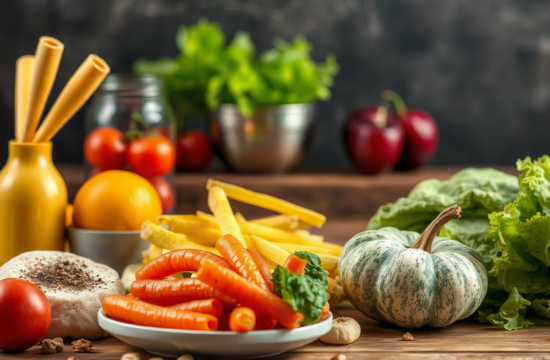
Natural weight loss and digestive comfort work together when a modest calorie deficit comes from satisfying meals rather than severe restriction. Prioritize protein-rich foods, increase fiber gradually, drink enough fluid, and adjust portions of calorie-dense foods without removing entire food groups unnecessarily. Regular meal timing and gentle movement may reduce overeating while supporting bowel regularity, but sudden fiber increases, oversized raw salads, sugar alcohols, and very fatty meals can worsen bloating or diarrhea. Track hunger, stool changes, abdominal symptoms, and weight trends, then seek medical care for persistent pain, vomiting, bleeding, unexplained weight loss, or major changes in bowel habits.
How Does Calorie Reduction Affect Digestion?
Eating less can change digestion even when the food choices appear healthy. Smaller food volume may produce less stool, while abrupt changes in fat, carbohydrate, fiber, caffeine, or meal timing can alter bowel frequency and consistency. A person who replaces familiar meals with protein bars and raw vegetables, for example, may consume fewer calories yet experience more gas, constipation, or loose stools.
A calorie deficit is still the main dietary condition associated with weight reduction, but a larger deficit is not automatically more useful. Severe restriction can create intense hunger, low energy, irregular eating, and rebound overeating. It may also make meals nutritionally narrow. A more workable approach is to reduce portions or substitutions that contribute substantial energy without much fullness, such as frequent sweet drinks, large amounts of cooking oil, oversized restaurant meals, or habitual grazing.
Digestive comfort depends partly on what replaces those calories. Swapping a large fried meal for grilled chicken, cooked vegetables, rice, and fruit changes fat content, food volume, and fiber at the same time. That may feel better for someone troubled by heavy meals, but another person may need a smaller vegetable serving initially if a large fiber increase causes pressure or gas. The useful comparison is not simply “healthy” versus “unhealthy”; it is whether the new meal is filling, tolerated, nutritionally varied, and sustainable.
Meal spacing also deserves attention. Skipping food for most of the day can lead to a very large evening meal, which may aggravate reflux, fullness, or urgency in susceptible people. By contrast, constant snacking can make calorie intake difficult to judge and may leave little opportunity to notice genuine hunger. Two or three meals with an optional planned snack suit many adults, but there is no universally ideal schedule. Work hours, medication requirements, exercise, reflux symptoms, and personal appetite patterns all affect the choice.
A practical first step is to keep familiar foods while making one or two measured changes. Reduce a calorie-dense addition, add a clear protein source, and retain a tolerated carbohydrate and produce item. If hunger remains manageable and digestion stays close to baseline over the following days, the adjustment is more promising than a dramatic reset that causes symptoms or feels impossible to repeat.
How Can You Increase Fiber Without More Bloating?
Fiber is best increased in stages because the digestive tract and gut microbes need time to respond to a different amount and type. Moving overnight from a low-fiber menu to bran cereal, beans, large salads, and multiple pieces of fruit can produce gas and abdominal pressure. That reaction does not necessarily mean every fiber-rich food must be avoided; the dose, preparation, and combination may be the problem.
Different foods provide different mixtures of fiber. Oats, barley, beans, lentils, apples, citrus fruit, and some seeds contain soluble or gel-forming fibers, while whole grains, vegetable skins, and many leafy vegetables contribute more insoluble fiber. Both can fit a balanced diet, but individual tolerance varies. Cooked carrots or zucchini may be easier to manage than a large bowl of raw cruciferous vegetables. Canned lentils that are drained and rinsed may be a gentler starting point than a large serving of dried beans.
Choose one change at a time so the result is interpretable. Add a small serving of oats at breakfast for several days, or replace a refined grain with a whole-grain option at one meal. If that goes well, add another fruit, vegetable, or legume serving. Increasing several foods, a fiber supplement, and sugar-free products simultaneously makes it difficult to identify what triggered discomfort.
Fluid matters because fiber holds water, although forcing excessive amounts is unnecessary and can be unsafe. Drink regularly and use urine color, thirst, activity, climate, and medical guidance as practical context. People who have been told to restrict fluids because of heart, kidney, or other medical conditions should follow their clinician’s instructions rather than generic hydration advice.
Common low-calorie products can complicate the picture. Sugar alcohols such as sorbitol, mannitol, and maltitol may cause gas or diarrhea in some people, especially when several servings are consumed. Protein bars may combine these sweeteners with added fibers, creating a substantial digestive load in a small package. Whole foods are not automatically symptom-free, but a simple snack such as yogurt with berries, a banana with a modest amount of peanut butter, or an egg with toast is often easier to evaluate.
Fiber restriction should not become the default response to every symptom. Persistent or severe discomfort may reflect constipation, food intolerance, medication effects, or a gastrointestinal condition that needs assessment. The practical goal is the broadest comfortable variety, not the highest possible fiber intake or the elimination of multiple food groups without a clear reason.
Building Filling, Digestion-Friendly Meals
A useful weight-loss meal combines protein, a tolerated source of fiber, an appropriate portion of starch or fruit, and enough fat for flavor and satisfaction. Protein and food volume can improve fullness, while measured portions of fats and sauces help control energy intake without making the plate feel sparse. Digestive tolerance determines whether the produce is raw or cooked and whether legumes, dairy, or whole grains are suitable.
Protein choices include eggs, fish, poultry, tofu, tempeh, yogurt, cottage cheese, beans, and lentils. No single option is required. Someone who tolerates dairy might choose plain Greek yogurt with oats and berries, while a dairy-free breakfast could use eggs with toast and cooked spinach. A lunch might pair chicken or tofu with rice and roasted vegetables. These meals are easier to adjust than a rigid menu because each component can be changed independently.
Preparation can matter as much as the ingredient. Roasting, steaming, simmering, or grilling usually requires less added fat than deep-frying. Measuring oil for a week can reveal how quickly an unmeasured pour changes a meal’s calorie content. The answer is not to remove all dietary fat; it is to distinguish a deliberate amount from repeated additions in dressings, cooking oils, cheese, nuts, and creamy sauces.
Use the following sequence when assembling a meal:
- Select a protein: Choose a portion that makes the meal substantial rather than treating protein as a garnish.
- Add tolerated produce: Start with cooked vegetables or peeled fruit if large raw servings cause discomfort.
- Include a useful carbohydrate: Potatoes, rice, oats, bread, pasta, fruit, or legumes can support satisfaction and activity.
- Control concentrated extras: Portion oils, dressings, nut butters, cheese, and sauces instead of removing them automatically.
- Review the result: Notice fullness two or three hours later and any recurring digestive response.
Portion changes should focus first on foods that are easy to overconsume rather than shrinking every item equally. Cutting vegetables and lean protein while leaving large amounts of oil, alcohol, or snack foods unchanged can produce a small-looking meal without a meaningful improvement in fullness. Conversely, an enormous low-calorie salad may cause physical discomfort and still leave someone wanting a more satisfying cooked meal.
Convenience also affects whether a plan survives a busy week. Frozen vegetables, canned fish, rinsed beans, microwaveable grains, pre-cooked eggs, and plain yogurt can support simple meals without requiring elaborate preparation. Check labels when sodium, added sugar, allergens, or sugar alcohols are relevant, but do not assume every packaged food is incompatible with natural weight loss. A repeatable combination of minimally processed staples and practical convenience foods is often more sustainable than an idealized menu that depends on daily cooking.
Support Your Weight Loss Goals Huge Discount on the Best Certified Organic Nutrient Dense Supplement!
How Should You Track Progress and Digestive Warning Signs?
Useful tracking connects weight trends with appetite, food changes, and digestive symptoms rather than treating the scale as the only result. Body weight naturally fluctuates with fluid, sodium, carbohydrate intake, bowel contents, and the menstrual cycle. A single reading cannot show whether a food plan is working, and constipation can temporarily obscure a downward trend.
Record only enough information to make decisions. A brief log can include meal timing, major foods, hunger before and after meals, bowel frequency and consistency, bloating or pain, and periodic weight measurements. Detailed calorie counting may help some people understand portions, but it can become burdensome or inappropriate for those with a history of disordered eating. A simpler plate or portion method may be the safer choice when tracking increases anxiety or compulsive behavior.
Look for patterns across days rather than blaming the most recent food automatically. If bloating repeatedly follows large servings of beans but not small servings, portion size is a plausible factor. If symptoms appear after restaurant meals, higher fat, sodium, meal size, or unfamiliar ingredients could be involved. If discomfort occurs regardless of food choice, repeated elimination experiments are less likely to provide a reliable answer.
Signs that the approach is reasonably well matched include manageable hunger, stable energy, meals that can be repeated in ordinary life, and bowel habits that remain comfortable for the individual. Signs of failure include escalating restriction, frequent loss-of-control eating, persistent constipation or diarrhea, worsening reflux, or avoiding an expanding list of foods. A plan that lowers weight while steadily worsening physical or psychological well-being needs revision.
Medical input is appropriate when symptoms are persistent, severe, or unexplained. Prompt evaluation is particularly important for blood in the stool, black stool, repeated vomiting, trouble swallowing, severe abdominal pain, dehydration, fever with gastrointestinal symptoms, or unintentional weight loss. New bowel changes that do not settle also warrant professional assessment. These signs should not be managed by adding supplements or removing foods without guidance.
A registered dietitian or qualified clinician can be especially useful when digestive symptoms coexist with diabetes, pregnancy, kidney or heart conditions, gastrointestinal disease, food allergies, eating-disorder history, or medications that affect appetite and bowel function. The next step is not necessarily a more restrictive diet. It may be a medication review, symptom evaluation, or a structured way to preserve nutrition while identifying a specific trigger.
Conclusion
A workable eating pattern should create a modest reduction in energy intake without turning every meal into a test of willpower or digestive tolerance. Begin with measured changes to drinks, oils, snacks, and oversized portions while keeping satisfying protein, tolerated produce, and familiar carbohydrates on the plate. Increase fiber in stages, use cooked foods when raw volume causes discomfort, and inspect bars or sugar-free products for ingredients that may trigger symptoms.
Review trends in hunger, energy, bowel habits, and weight before making another adjustment. If symptoms intensify, the answer is not automatically greater restriction. Return to a simpler pattern, identify one change at a time, and obtain qualified care for persistent symptoms or warning signs. Sustainable progress is more likely when the diet remains nutritionally varied, physically comfortable, and realistic on ordinary days.
Frequently Asked Questions
Can eating less cause constipation?
Yes. Lower food volume, reduced fiber, inadequate fluid, less activity, or a sudden change in routine may reduce bowel frequency. Increase tolerated fiber gradually and seek care if constipation is persistent, painful, or accompanied by bleeding or vomiting.
Are raw vegetables better for weight loss than cooked vegetables?
No. Both can be nutritious and relatively low in calories. Cooked vegetables may be easier to tolerate, while added oils, butter, cheese, and sauces often affect calorie content more than cooking itself.
Should probiotics be used for digestive comfort while dieting?
Probiotic effects vary by strain, product, and symptom, so a general supplement is not a guaranteed solution. Review persistent symptoms with a clinician and evaluate meal size, fiber changes, sweeteners, and bowel habits first.
Why do protein bars sometimes cause bloating?
Some bars contain large amounts of added fiber or sugar alcohols such as sorbitol, maltitol, or mannitol. Check the ingredient list and compare symptoms with a simpler protein-containing snack.
How quickly should dietary changes be made?
Change one or two elements at a time and observe the response over several days. Gradual adjustments make digestive effects easier to identify and are usually more practical than replacing the entire diet at once.