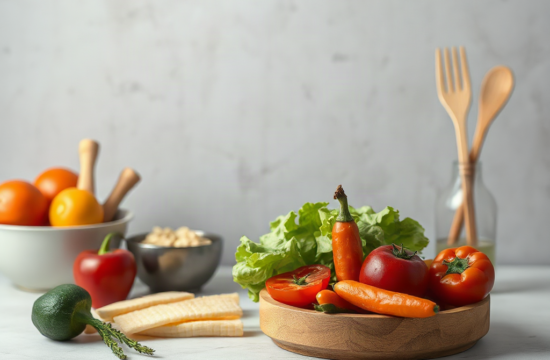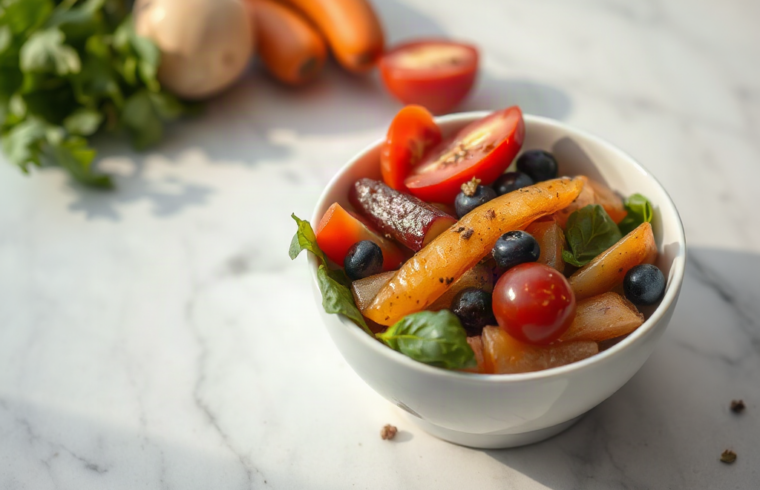
Maintaining fullness on a natural diet works best when meals combine protein, fiber-rich foods, minimally processed carbohydrates, and some dietary fat rather than relying on bulky vegetables alone. Beans, eggs, fish, plain yogurt, oats, potatoes, fruit, nuts, and intact whole grains can slow digestion and make meals more satisfying. Regular meal timing and adequate portions matter because eating too little early in the day often leads to intense evening hunger. Build each meal around a protein source, add produce and a substantial high-fiber carbohydrate, then adjust portions based on hunger between meals, energy levels, and dietary needs.
What Makes Natural Foods Filling?
Fullness is shaped by more than the physical size of a meal. Protein, fiber, water, fat, food texture, eating speed, and total energy all influence how satisfied someone feels after eating and how quickly hunger returns. A large salad may fill the stomach briefly, but it may not sustain a person if it contains little protein, carbohydrate, or fat. By contrast, a smaller bowl containing lentils, brown rice, vegetables, and olive oil supplies several complementary sources of satiety.
Protein is particularly useful because it tends to make a meal more satisfying than an equal amount of rapidly digested carbohydrate. Natural sources include eggs, fish, poultry, beans, lentils, tofu, cottage cheese, and unsweetened Greek-style yogurt. Protein does not need to dominate the plate, but a meal that contains only a token amount—such as a few nuts on a large bowl of greens—may leave an active adult hungry soon afterward.
Fiber and food structure also matter. Whole fruit requires chewing and retains its natural cellular structure, while juice removes much of the fiber and can be consumed rapidly. Intact grains, beans, and vegetables generally take longer to eat and digest than highly refined alternatives. Oatmeal with fruit, for example, is usually more substantial than a sweetened drink made with similar ingredients. Processing is not automatically harmful, however. Frozen vegetables, canned beans, plain yogurt, and rolled oats remain practical, nutrient-dense choices even though they have been processed for storage or convenience.
Dietary fat can extend satisfaction and make vegetables and grains more palatable, but it is energy-dense and easy to pour or spread without noticing the amount. Nuts, seeds, avocado, olive oil, and oily fish are useful additions; they should complement the meal rather than replace its protein and fiber. A bowl of vegetables covered with oil may contain considerable energy yet still lack the balance that supports steady fullness.
A common misconception is that natural eating requires the lightest possible foods. Restricting meals to raw produce, broth, or lean protein can create a short cycle of fullness followed by renewed hunger. A better test is functional: a meal should feel comfortable, provide usable energy, and carry the eater reasonably close to the next planned meal. Persistent thoughts about food soon after eating often indicate that the meal was too small or missing a substantial component.
How Do You Build a Satisfying Natural Meal?
A reliable meal begins with a meaningful protein source and then adds fiber-rich plants, a satisfying carbohydrate, and an appropriate amount of fat. This structure is more useful than trying to identify one magical appetite-suppressing ingredient. It also works across different cuisines, budgets, and dietary preferences.
Consider breakfast. Plain oatmeal with berries offers fiber and carbohydrate, but some people become hungry quickly if it is prepared only with water. Adding plain yogurt, milk, soy milk, eggs on the side, or a modest portion of nuts increases protein or fat and changes the meal’s staying power. Someone with a larger appetite may need both a protein addition and a larger serving of oats rather than another low-calorie beverage.
Lunch can follow the same principle without rigid plate rules. A practical meal might include lentil soup, whole-grain bread, and fruit; a chicken-and-bean bowl with brown rice and vegetables; or baked tofu, potatoes, and cabbage. The exact proportions depend on body size, activity, health needs, preferences, and the interval before the next meal. People doing physical work or endurance exercise commonly need more carbohydrate and total food than someone having a quiet afternoon.
Use this compact meal check when hunger has been difficult to manage:
- Choose the protein: beans, lentils, eggs, fish, poultry, tofu, tempeh, or an unsweetened dairy food.
- Add fiber and volume: include vegetables, fruit, whole grains, or legumes rather than relying only on refined starch.
- Keep a substantial carbohydrate: potatoes, oats, rice, corn, whole-grain bread, or fruit can make the meal more complete.
- Include some fat if needed: nuts, seeds, avocado, cheese, or oil can improve satisfaction and flavor.
- Review the result: notice comfortable fullness, energy, and the timing of the next genuine hunger signal.
Meal timing should support this structure rather than compensate for an inadequate meal. Eating at predictable intervals may help someone distinguish physical hunger from habitual grazing, but no universal schedule suits everyone. Three meals may work well for one person, while another prefers three meals and a planned snack. A snack is most useful when it bridges a genuinely long gap; an apple with peanut butter or plain yogurt with fruit generally offers more staying power than fruit or crackers alone.
The frequent failure point is reducing every component at once. A person may choose a very small portion of lean protein, skip starch, avoid fat, and fill the remaining space with vegetables. That meal appears virtuous but may produce fatigue and persistent hunger. Change one variable at a time—such as adding beans at lunch or increasing breakfast protein—so the effect is easier to judge.
Which Foods Provide Lasting Fullness?
The most filling choices usually contribute at least two useful qualities, such as protein plus fiber, or water plus a substantial carbohydrate structure. Beans and lentils are notable because they provide both plant protein and fiber. Potatoes contain water and carbohydrate and can be satisfying when boiled or baked, although preparation matters: deep-frying and rich toppings substantially change the meal. Eggs pair protein and fat, while plain yogurt combines protein with a moist, easy-to-eat format.
No single ranking captures how every person responds, so foods are better compared by the role they play in a meal:
| Food role | Natural examples | Practical use |
|---|---|---|
| Protein foundation | Eggs, fish, beans, lentils, tofu, plain yogurt | Include a recognizable serving at meals rather than a token garnish |
| Fiber-rich carbohydrate | Oats, potatoes, barley, brown rice, corn, whole-grain bread | Adjust the portion to activity and the time until the next meal |
| High-volume produce | Berries, apples, oranges, leafy greens, carrots, cabbage | Use for chewing, water, fiber, color, and meal volume |
| Concentrated fat | Nuts, seeds, avocado, olive oil | Add deliberately; small portions can contribute substantial energy |
Food form changes the experience. An orange is chewed and contains intact fiber, whereas orange juice can be swallowed quickly and may be less filling for the amount consumed. A baked potato requires more chewing than thin potato chips and usually comes with more water and less added fat. Smoothies can contain nutritious ingredients, but drinking a meal rapidly may not satisfy everyone as well as eating those foods with a spoon and fork.
Convenience deserves realistic treatment. A natural diet does not have to consist entirely of fresh, scratch-cooked ingredients. Canned lentils, frozen vegetables, tinned fish, precooked brown rice, and unsweetened yogurt can produce a balanced meal in minutes. Reading labels can help identify added sugars, sodium, or oils when those are relevant to personal needs, but a long ingredient list is not a complete measure of satiety or nutritional value.
A useful pantry meal is canned beans warmed with frozen vegetables and served over rice, with salsa and avocado for flavor. It is generally more complete than grazing on nuts and dried fruit, which are nutritious but compact and easy to overeat without producing the volume of a plated meal. People with digestive sensitivity may need to increase legumes and high-fiber grains gradually. Sudden large increases in fiber can cause discomfort, and adequate fluids are helpful as fiber intake rises.
Support Your Weight Loss Goals Huge Discount on the Best Certified Organic Nutrient Dense Supplement!
Why Does Hunger Return Too Soon?
Early hunger often reflects an undersized or unbalanced meal rather than a failure of willpower. A breakfast of fruit alone, a lunch made mostly of raw vegetables, or a dinner with very little carbohydrate may not meet the person’s energy needs. The immediate fullness created by water and food volume can fade once the stomach empties, especially when protein and total energy were limited.
Long gaps between meals can intensify the problem. Someone who skips lunch may arrive home extremely hungry and eat rapidly before the body has time to register satisfaction. Planning a portable meal or snack—such as a bean wrap, boiled eggs with fruit, or yogurt with oats—may be more effective than trying to suppress hunger until dinner. Sleep loss, unusually demanding exercise, stress, and changes in routine can also alter appetite, so food choices should not be assessed in isolation.
Eating speed deserves attention without turning meals into a performance. Fast eating can make it harder to notice the transition from hunger to comfortable fullness. Serving food on a plate, sitting down, and pausing before taking seconds creates a clearer feedback loop than eating from a package while working. Slow eating cannot rescue an inadequate meal, though; chewing a small salad for longer does not add the protein or energy it lacks.
Signs that an approach is working include arriving at the next meal hungry but not desperate, maintaining fairly steady energy, and being able to stop eating at comfortable satisfaction. Signs it may be failing include frequent food preoccupation, repeated unplanned grazing, waking hungry at night, declining exercise performance, or regularly feeling cold, weak, or irritable. Those experiences do not identify a specific medical cause, but they justify reviewing portion size, meal composition, and the restrictiveness of the diet.
People often respond by adding more coffee, water, diet drinks, or raw vegetables. Fluids can address thirst and vegetables can enrich a meal, but neither should be used to conceal persistent hunger. Another mistake is excluding entire food groups without a medical, ethical, or personal reason. Removing grains, dairy, legumes, or fats narrows the available ways to build satisfying meals and may require more deliberate substitutions.
Persistent or abrupt appetite changes deserve individual attention, particularly when accompanied by unintended weight change, digestive symptoms, excessive thirst, medication changes, or a history of disordered eating. A registered dietitian or qualified healthcare professional can assess needs that a general meal template cannot address. Fullness is useful feedback, but it should not be treated as a diagnosis or the only measure of dietary adequacy.
Conclusion
Satisfying natural eating depends on meal construction, not on finding a single food that switches off appetite. Start by examining the meals after which hunger returns fastest. Check whether each contains a real protein source, fiber-rich produce or grains, enough carbohydrate for current activity, and some fat where appropriate. Then change one element and observe the result over several comparable days.
Do not mistake extreme lightness for dietary quality. Vegetables and fruit are valuable, but meals built almost entirely from low-energy produce may leave genuine needs unmet. Convenient foods such as canned beans, frozen vegetables, oats, eggs, and plain yogurt can make balanced eating easier without undermining a whole-food emphasis. If persistent hunger occurs alongside unexplained weight change, weakness, digestive trouble, or restrictive eating patterns, seek individualized guidance rather than imposing tighter rules.
Frequently Asked Questions
Can vegetables alone keep me full?
Vegetables add water, fiber, and volume, but many meals need protein, carbohydrate, and some fat for longer-lasting satisfaction. Pair vegetables with beans, eggs, tofu, fish, potatoes, grains, or another substantial food.
Is protein or fiber more important for fullness?
Both contribute in different ways, and combining them is usually more practical than choosing one. Lentils, beans, or yogurt with oats provide complementary nutrients and tend to form a more complete meal.
Why am I hungry after eating oatmeal?
The portion may be too small or the meal may lack protein and fat. Try adding milk, plain yogurt, nuts, seeds, or eggs, and assess whether the larger breakfast carries you closer to lunch.
Are snacks necessary on a natural diet?
Snacks are optional. They can be useful between widely spaced meals or around activity; pair protein or fat with a fiber-rich food, such as yogurt with fruit or an apple with peanut butter.
Does drinking more water reduce hunger?
Water addresses thirst and may briefly increase stomach volume, but it cannot replace adequate food. Persistent hunger after meals is better addressed by reviewing portions, protein, fiber-rich carbohydrates, fat, and meal timing.