Cinnamon water is unlikely to cause meaningful weight loss by itself, because cinnamon does not create the sustained calorie deficit required for fat reduction. Its strongest practical benefit may come from replacing soda, sweetened coffee, or other calorie-containing drinks with unsweetened flavored water. Research on cinnamon, blood glucose, appetite, and body weight is mixed, and concentrated supplements are not equivalent to culinary amounts used in water. Choose Ceylon cinnamon for frequent use when practical, avoid adding sugar or honey, and treat the drink as a beverage preference rather than a fat-burning remedy.
Why Is Cinnamon Water Linked to Weight Loss?
Cinnamon water acquired its weight-loss reputation from a blend of plausible biology, beverage substitution, and exaggerated interpretations of early research. Cinnamon contains aromatic compounds and polyphenols that have been investigated for possible effects on glucose metabolism, inflammation, and other metabolic markers. Those lines of research are scientifically interesting, but they do not establish that soaking cinnamon in water makes body fat disappear.
The distinction between a metabolic marker and an actual weight outcome matters. A food ingredient might influence a laboratory measurement without producing a noticeable change on the scale. Body weight is shaped primarily by energy intake over time, along with physical activity, sleep, medications, health conditions, and changes in water or stored carbohydrate. Cinnamon water contributes little energy when it is unsweetened, but low calorie content is not the same as an active fat-burning effect.
Some people do lose weight after adding the drink to their routine. The surrounding behavior often provides the better explanation. Someone who replaces a large sweetened iced tea each afternoon with cinnamon-infused water reduces beverage calories without changing the rest of the meal. Another person may drink it before breakfast and become more deliberate about food choices because the new routine acts as a reminder. In both cases, the drink can participate in a useful habit while receiving too much credit for the result.
Online recipes frequently combine cinnamon with lemon, apple cider vinegar, ginger, or honey. Adding more recognizable ingredients can make a recipe appear more potent, but a longer ingredient list does not prove a stronger effect. Honey still supplies sugar and calories, while acidic additions may irritate reflux or damage tooth enamel when consumed frequently. Calling the mixture a “detox” also misrepresents normal physiology: the liver, kidneys, lungs, and digestive system already process and remove metabolic waste.
A practical reading of cinnamon water for weight loss claims separates three ideas:
- Direct fat loss: not established as a meaningful effect of the beverage.
- Drink replacement: potentially useful when it displaces a higher-calorie option.
- Routine support: helpful only if the habit makes an eating plan easier to maintain.
The common mistake is treating association as mechanism. If the scale changes after a person starts drinking cinnamon water, check what else changed: beverage calories, portion sizes, restaurant meals, activity, sleep, or sodium intake. That review reveals whether the routine is contributing to a durable calorie deficit or merely coinciding with short-term fluctuation.
What Does the Evidence Actually Show?
Evidence involving cinnamon does not justify presenting cinnamon water as a proven weight-loss treatment. Research varies widely in the cinnamon species, preparation, dose, study population, and outcome measured. Trials involving capsules or standardized extracts cannot automatically be applied to homemade water made with a stick or a pinch of ground spice. The amount consumed and the compounds delivered may be substantially different.
Blood glucose findings are sometimes used as a shortcut to a weight-loss claim. Glucose regulation and body-weight change are related topics, but they are not interchangeable outcomes. Even if a preparation affects a glucose measurement in a particular group, it does not follow that it suppresses appetite, increases calorie expenditure, or produces clinically meaningful fat loss. People with diabetes should not replace prescribed care with cinnamon drinks or adjust medication based on home-remedy claims.
Appetite claims deserve similar caution. Cinnamon’s aroma and flavor can make plain water more appealing, and a warm drink may briefly feel filling. Water occupies space in the stomach, but that temporary sensation does not guarantee lower intake later in the day. If a person drinks cinnamon water before lunch and still consumes the same meal and snacks, the beverage has not created an energy deficit. If it replaces a sugary drink at that meal, the substitution has a clearer pathway to affecting intake.
Scale readings can also create false confidence. Weight may move from day to day because of sodium, hydration, bowel contents, menstrual-cycle changes, or stored carbohydrate. A drop observed after two mornings of a new drink cannot be confidently attributed to body-fat loss. A more informative test is to follow a consistent routine for several weeks while monitoring a weekly weight trend, waist measurements taken under similar conditions, and the specific food or drink being replaced.
Compare two scenarios. In the first, a person adds sweetened cinnamon water to an unchanged diet. The drink supplies additional energy and may work against the intended result. In the second, unsweetened cinnamon water replaces a daily bottle of regular soda. Cinnamon itself still has not been shown to melt fat, but the new beverage removes a recurring calorie source. The second scenario is more credible because the mechanism is visible and measurable.
The weak assumption to avoid is that “natural” means either effective or risk-free. Cinnamon is a culinary spice, not evidence of a guaranteed outcome. Judge the drink by the same standards as any other diet tactic: what does it replace, is it sustainable, are there side effects, and does the broader eating pattern remain nutritionally adequate?
When Can Cinnamon Water Be Useful?
Cinnamon water is most useful as an unsweetened alternative for people who dislike plain water but want to reduce caloric drinks. The flavor may make hydration more appealing without relying on soda, sweet tea, syrups, or large amounts of fruit juice. That is a modest role, yet modest changes repeated daily can matter more than an elaborate remedy that lasts only a week.
The best use case is easy to identify: a specific higher-calorie beverage is regularly consumed, and cinnamon water is acceptable enough to replace it. For example, someone accustomed to a sweetened evening latte might try warm cinnamon water after dinner on several nights each week. The comparison should be made against the former drink, not against plain water. If the substitute feels punishing and leads to later snacking, sparkling water, unsweetened tea, or coffee with a measured amount of milk may be a better fit.
Cinnamon water can also serve as a cue within a structured routine. Preparing it after lunch might mark the end of the meal and reduce unplanned grazing for someone who tends to continue eating out of habit. The useful mechanism here is behavioral: the drink creates a boundary and provides flavor. It should not be confused with reliable appetite suppression. Persistent hunger is better addressed by examining meals for protein, fiber, food volume, and sufficient total energy.
Support Your Weight Loss Goals Huge Discount on the Best Certified Organic Nutrient Dense Supplement!
A simple check can show whether the habit is earning its place:
- Name the replacement. Record which caloric beverage or habitual snack the cinnamon water displaces.
- Keep it unsweetened. Count honey, maple syrup, sugar, and flavored creamers as additions rather than health ingredients.
- Observe hunger and comfort. Stop or modify the routine if it worsens reflux, nausea, mouth irritation, or compensatory eating.
- Review the trend. Use several weeks of consistent observations rather than interpreting a single scale reading.
Signs that the approach is working include fewer sweet drinks, easier adherence to planned meals, and a gradual trend consistent with the rest of the weight-management plan. Signs of failure include escalating the cinnamon amount, adding caloric sweeteners, skipping balanced meals, or expecting the beverage to offset frequent overeating. More spice is not a substitute for correcting the actual source of excess intake.
The drink also has limits for people whose main obstacles are unrelated to beverages. It will not resolve medication-related weight changes, sleep deprivation, binge-eating symptoms, limited food access, or an eating plan that is too restrictive to sustain. Those situations call for attention to the underlying constraint and, where appropriate, help from a physician or registered dietitian.
How Should You Prepare and Use Cinnamon Water?
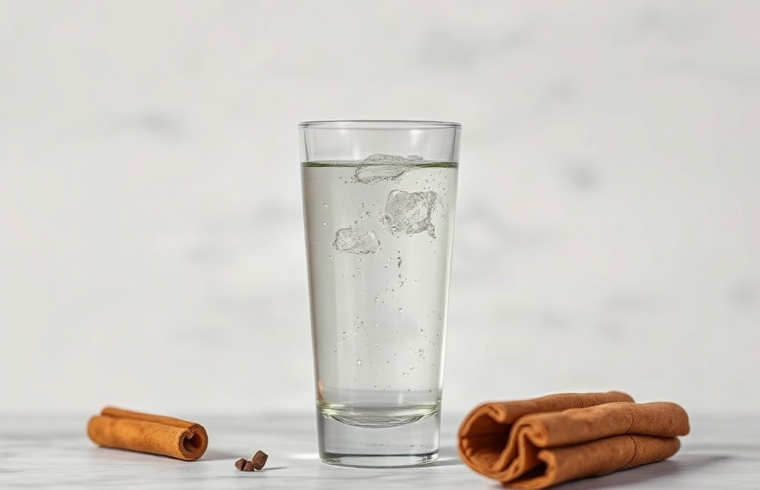
A conservative preparation uses cinnamon as a flavoring rather than a concentrated dose. Steep one cinnamon stick in hot water, allow the drink to cool to a comfortable temperature, and remove the stick before drinking. Ground cinnamon can be used sparingly, but it does not dissolve and may leave sediment that irritates the mouth or throat. Avoid swallowing dry spoonfuls of powder because fine particles can be inhaled.
Two commonly sold types deserve attention. Cassia cinnamon is widely available and usually has a stronger, sharper flavor. It can contain more coumarin, a naturally occurring compound that may be a concern when substantial amounts are consumed repeatedly. Ceylon cinnamon generally contains less coumarin and may be the more cautious choice for frequent culinary use, although it can cost more and may be harder to find. Neither type should be treated as a weight-loss dosage product.
Using a single stick for flavor differs from taking capsules, extracts, essential oil, or heavily concentrated preparations. Supplements can deliver larger and less intuitive amounts, while cinnamon essential oil should not be added casually to drinking water. Products marketed with dramatic metabolic or detox claims warrant particular skepticism. A label containing cinnamon does not establish effectiveness, purity, or suitability for an individual’s health conditions.
People who are pregnant, breastfeeding, living with liver disease, preparing for surgery, or taking medicines that affect blood glucose or blood clotting should ask a qualified clinician or pharmacist before using concentrated cinnamon products. Culinary use in food is not equivalent to supplementation. Anyone who develops rash, swelling, breathing difficulty, persistent digestive discomfort, or mouth irritation should stop using the product and seek appropriate medical guidance; breathing difficulty or significant swelling can require urgent care.
Timing is largely a matter of preference rather than a proven metabolic advantage. Drinking cinnamon water in the morning, before meals, or at bedtime has not been established as uniquely effective for fat loss. Choose a time when it can replace an unwanted beverage without disrupting sleep through extra nighttime urination or aggravating reflux when lying down. Temperature is also optional: warm water may feel soothing, while chilled infused water may be easier to drink in hot weather.
The most common preparation error is turning a nearly calorie-free drink into a dessert beverage. A generous pour of honey can undermine the substitution that made the drink useful. Lemon or ginger may be included for taste if tolerated, but they do not transform the mixture into a treatment. Keep the recipe simple, use food-grade ingredients, refrigerate prepared water rather than leaving it at room temperature indefinitely, and wash reusable bottles thoroughly.
Frequently Asked Questions
Does cinnamon water burn belly fat?
No drink selectively burns abdominal fat. Waist size may decline as total body fat decreases through a sustained energy deficit, but cinnamon water has not been shown to target the abdomen.
Is cinnamon water better in the morning or at night?
No time has a proven weight-loss advantage. Use it when it can comfortably replace a sweetened drink, and avoid bedtime use if fluids or spices worsen sleep or reflux.
Should honey be added to cinnamon water?
Honey adds sugar and calories, so it can weaken the drink’s value as a low-calorie substitute. If flavor is the goal, use cinnamon alone or add a small piece of citrus without sweetener.
Can cinnamon water replace diabetes medication?
No. Cinnamon water is not a replacement for diabetes treatment, prescribed medication, glucose monitoring, or individualized nutrition care. Discuss supplements and major dietary changes with the clinician managing your condition.
Which cinnamon is preferable for frequent use?
Ceylon cinnamon generally contains less coumarin than cassia and may be the more cautious option for frequent culinary use. Avoid assuming that larger amounts will produce better results.
Conclusion
Cinnamon water belongs in the category of optional low-calorie beverages, not stand-alone weight-loss solutions. Its practical value depends on a visible substitution: replacing soda, sweet tea, a syrup-heavy coffee, or another recurring source of calories. Adding it without changing intake is unlikely to alter the direction of body weight.
Keep the preparation unsweetened and lightly flavored, and consider Ceylon cinnamon when frequent use is planned. Evaluate results through beverage choices, hunger, digestive comfort, and multiweek weight trends rather than day-to-day scale movement. Stop escalating the amount if progress stalls; instead, review portions, protein- and fiber-rich foods, activity, sleep, and any medical factors affecting weight. People using relevant medications or considering concentrated cinnamon supplements should discuss those products with a clinician or pharmacist.