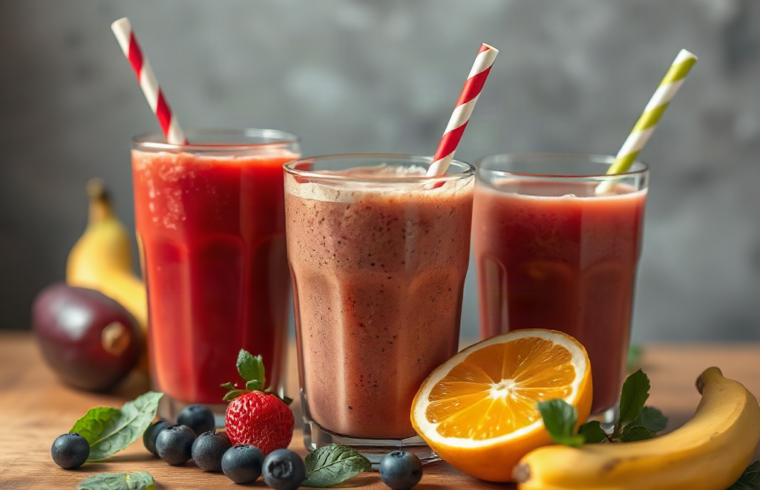
Glucose-friendly smoothies for weight loss work best when they combine fiber-rich produce, a substantial protein source, modest fruit portions, and little or no added sugar. This structure slows digestion, improves fullness, and avoids the large carbohydrate load found in juice-based or fruit-heavy blends. A practical smoothie might pair berries, plain Greek yogurt, chia seeds, leafy greens, and unsweetened milk, with portions adjusted to the person's energy needs and glucose response. Smoothies are not guaranteed to lower glucose or body weight, but replacing a less balanced meal or sugary drink with a measured blend may make calorie and carbohydrate intake easier to manage.
What Makes a Smoothie Glucose-Friendly?
A smoothie’s glucose impact is shaped by its total digestible carbohydrate, fiber, protein, fat, portion size, and liquid base. Blending does not automatically make fruit unhealthy, but it makes food quicker to consume and removes much of the chewing that normally slows a meal. A large blend containing several bananas, mango, dates, juice, and honey can therefore deliver far more carbohydrate than someone would comfortably eat as whole fruit at one sitting.
Fiber, protein, and fat generally slow stomach emptying and carbohydrate digestion compared with a drink made mainly from juice and fruit. Useful fiber sources include berries, chia seeds, ground flaxseed, oats, avocado, and leafy vegetables. Protein can come from plain Greek yogurt, cottage cheese, unsweetened soy milk, silken tofu, or a protein powder that fits the person’s dietary needs. Nuts, seeds, and avocado contribute fat, but their calories can accumulate quickly, so more is not necessarily better for weight management.
Consider two smoothies of similar volume. The first contains orange juice, a banana, frozen mango, and agave syrup. The second contains unsweetened soy milk, strawberries, plain Greek yogurt, spinach, and chia seeds. The first is dominated by rapidly available carbohydrate and may be less filling despite tasting substantial. The second distributes its energy across protein, fiber, fat, and carbohydrate, making it more suitable as a small meal. Individual glucose responses still vary, especially among people using insulin or glucose-lowering medication.
“Sugar-free” is not the only useful standard. A smoothie can contain naturally occurring sugar and still be reasonably balanced, while a drink with no added sugar can remain carbohydrate-heavy if it includes several servings of fruit. Check the complete ingredient list, not just the sweetener. A practical sign of a sound recipe is that each major ingredient has a clear role: produce supplies flavor and fiber, protein adds staying power, and the liquid creates the desired consistency without quietly adding a large sugar load.
The 4-Step Formula for a More Balanced Smoothie
A repeatable formula is more reliable than collecting recipes with unclear serving sizes. Begin with a low-sugar liquid, establish a meaningful protein base, add a measured portion of produce, and finish with a small fiber or fat component. This order prevents fruit and sweeteners from becoming the default foundation.
- Choose the liquid: Use water, ice, unsweetened dairy milk, or an unsweetened fortified plant beverage. Juice, sweetened plant milk, and flavored coffee drinks can raise the carbohydrate content without improving fullness proportionately.
- Add protein: Select plain Greek yogurt, cottage cheese, silken tofu, unsweetened soy milk, or a suitable protein powder. Product labels vary, so compare protein, added sugar, serving size, and ingredients rather than relying on front-label claims.
- Measure the produce: Try one modest serving of fruit, such as berries or half a small banana, along with optional spinach, kale, cucumber, zucchini, or cauliflower. Vegetables increase volume without requiring multiple servings of sweet fruit.
- Include a small finishing ingredient: Chia, ground flaxseed, nut butter, oats, or avocado can improve texture and staying power. Measure calorie-dense additions instead of pouring them directly into the blender.
For example, blend unsweetened soy milk, plain Greek yogurt, frozen blueberries, spinach, and ground flaxseed. Someone wanting fewer carbohydrates might use a smaller berry portion and add ice or zucchini for volume. Someone needing a fuller breakfast could include a measured amount of oats, provided that the added carbohydrate suits their glucose plan and daily energy needs.
Taste before adding sweetener. Vanilla, cinnamon, ginger, cocoa powder, citrus zest, or a small amount of strongly flavored fruit may improve the blend without honey, maple syrup, or dates. Noncaloric sweeteners are another option for some people, but they do not correct a recipe that already contains oversized fruit and juice portions.
The common failure is treating every nutritious ingredient as unlimited. Yogurt, nut butter, seeds, oats, and fruit may all fit, yet combining generous portions of each can turn a snack into a high-energy meal. Build the smallest serving likely to satisfy the intended use, blend it, and adjust only if hunger remains. That approach is easier to evaluate than starting with an oversized blender jar and estimating how much was consumed afterward.
Which Ingredients Deserve More Careful Portions?
Fruit juice, dried fruit, sweetened yogurt, syrups, oversized fruit portions, and unmeasured calorie-dense add-ins deserve the closest attention. None must be banned, but each can make a smoothie less aligned with glucose or weight goals when used casually. The concern is the combined load, not the moral status of an individual food.
Juice is a frequent weak point because it provides sweetness and easy blending while contributing little of the intact fruit structure associated with chewing and fullness. Coconut water may sound lighter, but it still contains carbohydrate and should be evaluated by its label. Sweetened oat, almond, and flavored dairy milks can add more sugar than expected. Unsweetened versions usually provide greater control, although their protein content differs substantially; unsweetened soy milk typically supplies more protein than many nut-based beverages.
Dried dates, raisins, and other dried fruits are concentrated sources of carbohydrate. A date may be useful when a small amount of sweetness is genuinely needed, but several dates combined with bananas and milk can shift the recipe considerably. Likewise, açai and smoothie bowls are not automatically glucose-friendly. Commercial bases may be sweetened, and bowls often carry granola, honey, coconut, and large nut-butter portions on top.
Protein powders require a different kind of scrutiny. Some are largely protein, while others include added sugar, starches, sugar alcohols, stimulants, or herbal blends. Choose a product with a transparent ingredient list and a serving that matches the recipe. People with kidney disease, food allergies, medication concerns, or clinician-directed protein limits should seek individualized advice rather than assuming a concentrated powder is appropriate.
Support Your Weight Loss Goals Huge Discount on the Best Certified Organic Nutrient Dense Supplement!
Watch for practical evidence that the recipe needs adjustment. Hunger returning soon after the smoothie may indicate too little protein, fiber, or total food. An unexpectedly high glucose reading—when someone has been advised to monitor—may point to excessive fruit, juice, sweetened milk, or a portion larger than assumed. Weight progress stalling can reflect liquid calories that were added rather than substituted for another meal. Change one variable at a time, such as removing juice or measuring nut butter, so the result is easier to interpret.
How Should Smoothies Fit Into a Weight-Loss Plan?
A smoothie is most useful for weight loss when its role is defined before it is blended. A meal replacement needs adequate protein, fiber, and volume; a snack should be smaller; and a drink served beside a full meal may simply add calories. The blender does not create an energy deficit, so the benefit depends on what the smoothie replaces and whether it controls hunger afterward.
For breakfast, a balanced smoothie may suit someone who lacks time to sit down but can prepare measured ingredients in advance. Plain yogurt, berries, spinach, seeds, and unsweetened milk can be portioned consistently. By contrast, a person who becomes hungry soon after drinking calories may do better with a solid breakfast such as eggs with vegetables and whole-grain toast, or yogurt topped with intact berries and seeds. Chewing and eating more slowly can improve satisfaction for some people even when the ingredients are similar.
Use a simple check before deciding that a recipe belongs in the plan:
- Purpose: Is it replacing breakfast, covering a snack, or being added to a meal?
- Protein: Does it contain a real protein source rather than only fruit and a splash of low-protein plant milk?
- Carbohydrate: Are fruit, milk, oats, and sweeteners being counted together rather than viewed separately?
- Portion: Is the finished amount measured, especially when a blender makes multiple servings?
- Response: Does it keep hunger manageable, fit the day’s calorie needs, and produce an acceptable glucose pattern for someone who monitors?
Consistency matters more than an elaborate “fat-burning” ingredient. Ginger, cinnamon, green tea, vinegar, and specialty powders may alter flavor, but they should not be expected to cancel excess calories or carbohydrate. Detox claims are similarly misleading; smoothies do not cleanse the body or target abdominal fat. Their practical advantage is convenience and portion control when recipes are deliberately structured.
People with diabetes should align smoothies with their established meal plan, medication schedule, and monitoring instructions. A clinician or registered dietitian can help interpret readings, especially if changing carbohydrate intake causes low or high glucose. Do not reduce medication solely because a smoothie is marketed as low sugar. For everyone else, assess results over several weeks using hunger, energy, meal consistency, and weight trend rather than judging a single drink as a success or failure.
Frequently Asked Questions
What fruit is best for a glucose-friendly smoothie?
Berries are a practical choice because they provide fiber and strong flavor in a modest portion. Kiwi, peaches, or half a small banana can also fit; total quantity and the other ingredients matter more than identifying one perfect fruit.
Can I drink a smoothie every day for weight loss?
A daily smoothie can fit if it replaces an appropriate meal or snack, supports fullness, and stays within personal energy and carbohydrate needs. Rotate ingredients and retain solid meals so the diet does not become unnecessarily narrow.
Are bananas too high in sugar for smoothies?
Bananas do not have to be excluded, but portion size matters. Half a small banana paired with protein and fiber creates a different drink from two bananas blended with juice and honey.
Is a smoothie better than eating whole fruit?
Whole fruit often takes longer to eat and may feel more satisfying. A measured smoothie offers convenience and can include protein-rich ingredients, but it should not be assumed to be nutritionally superior.
Do green smoothies lower blood glucose?
A green color does not guarantee a low-carbohydrate drink or a lower glucose reading. Leafy vegetables add useful nutrients, but the complete recipe, portion, medications, and individual response determine the result.
Conclusion
The strongest smoothie is not the one with the longest ingredient list. Give every blend a defined role, start with an unsweetened liquid and a meaningful protein source, keep fruit measured, and use seeds, oats, avocado, or nut butter deliberately. Juice, dates, flavored yogurt, and oversized toppings are worth checking first when carbohydrate or calories climb unexpectedly.
Test one repeatable recipe rather than changing several ingredients every day. Notice how long it controls hunger, whether it replaces food or merely accompanies it, and how it affects glucose if monitoring is part of your care plan. If liquid meals consistently leave you unsatisfied, choose a solid meal instead. Anyone managing diabetes, kidney disease, pregnancy-related glucose concerns, or glucose-lowering medication should make substantial dietary changes with individualized clinical guidance.