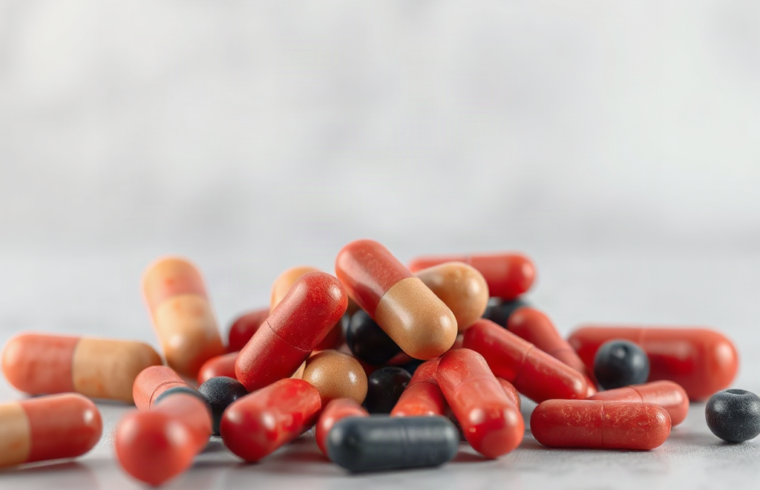
Digestive enzymes are not supported as a weight loss aid for people who digest food normally, because amylase, protease, and lipase break nutrients down rather than creating a calorie deficit. Prescription enzymes can improve nutrient absorption in people with pancreatic insufficiency, but that medical benefit may stabilize or increase weight instead of reducing it. Over-the-counter blends have not shown reliable fat-loss effects, and side effects may include abdominal discomfort, diarrhea, constipation, or supplement interactions. For weight management, prioritize a sustainable energy deficit, protein- and fiber-rich meals, activity, and evaluation of persistent digestive symptoms before considering an enzyme product.
How Do Digestive Enzymes Process Food?
Digestive enzymes make carbohydrates, proteins, and fats small enough for the intestinal tract to absorb. Amylases act on starches, proteases split proteins into smaller peptides and amino acids, and lipases help process dietary fat. The mouth, stomach, small intestine, and pancreas all contribute to digestion, although the pancreas supplies several of the enzymes that do the heaviest work in the small intestine.
This mechanism does not inherently promote fat loss. Efficient digestion generally makes food energy and nutrients more available to the body. An enzyme that helps break down fat should not be confused with a substance that removes stored body fat or blocks dietary calories. That distinction is especially relevant when a supplement label uses phrases such as “fat digestion,” which describes a digestive process rather than a weight reduction outcome.
Most healthy people already produce enough enzymes for ordinary meals. A person who feels full or bloated after a large restaurant meal may assume that an enzyme shortage is responsible, but meal size, high fat intake, rapidly eaten food, fermentable carbohydrates, carbonation, or constipation can produce similar symptoms. Taking a broad enzyme blend without identifying the trigger may add cost while leaving the actual problem unchanged.
Some enzymes have narrow, practical uses. Lactase can help a person with lactose intolerance digest lactose in dairy foods, while alpha-galactosidase may reduce gas from certain fermentable carbohydrates in beans and vegetables. These products address a specific food component; they do not establish that a multi-enzyme capsule causes weight loss. If lactase allows someone to tolerate yogurt again, for example, the benefit is dietary flexibility rather than a direct change in body fat.
The useful first question is therefore not whether digestion can be made “faster,” but whether there is evidence of a specific digestive problem. Track the food, portion, timing, and symptoms for several days. Consistent reactions to one food category may justify a targeted discussion with a clinician or registered dietitian. Symptoms that occur across many meals, worsen over time, or accompany unexplained weight change need medical assessment rather than trial-and-error supplementation.
Do Digestive Enzymes Cause Weight Loss?
Evidence does not establish over-the-counter digestive enzyme blends as a reliable method for reducing body weight or body fat in people without an enzyme deficiency. Weight loss requires the body to use more energy than it receives over time, whereas digestive enzymes primarily help release nutrients from food. A capsule does not substitute for an energy deficit, adequate protein, physical activity, sleep, or a dietary pattern a person can maintain.
Marketing can blur several different outcomes. Less bloating may make the abdomen feel flatter, but a temporary change in gas or stool volume is not loss of adipose tissue. Diarrhea can lower scale weight through fluid loss, yet that is neither durable fat loss nor a desirable sign that a product works. Better digestion may improve comfort, but comfort and fat reduction are separate endpoints that should be evaluated separately.
Research involving enzyme products is also difficult to generalize. Formulas may contain different enzymes, doses, coatings, plant extracts, probiotics, or other ingredients. A finding related to one condition or one proprietary formula cannot automatically support every “digestive support” product on a store shelf. Studies focused on symptoms such as fullness or indigestion also cannot answer whether participants lost meaningful body fat.
A common failure mode is adding enzymes while leaving the major sources of excess energy untouched. Consider someone who takes a lipase-containing capsule with a high-calorie takeout dinner because the label promises support for fat digestion. The enzyme does not cancel the meal’s calories. A more relevant adjustment would be a smaller portion, a leaner protein choice, vegetables for volume, and attention to calorie-dense sauces or drinks.
Results should be judged with measures that match the goal. For fat loss, monitor the trend in body weight under consistent conditions, waist measurements, meal adherence, hunger, and strength or activity performance. Day-to-day scale shifts often reflect fluid, sodium, carbohydrate storage, and bowel contents. If an enzyme product changes digestive sensations but the weight trend and eating pattern remain unchanged over several weeks, there is little reason to interpret that sensation as evidence of fat loss.
When Is Enzyme Treatment Medically Useful?
Enzyme treatment has a legitimate role when a diagnosed condition prevents adequate digestion, particularly exocrine pancreatic insufficiency. In that setting, prescription pancreatic enzyme replacement therapy is intended to improve digestion and nutrient absorption. It is medical treatment with individualized dosing and meal timing, not a general-purpose supplement for reducing weight.
Pancreatic insufficiency may occur in association with pancreatic disease, certain pancreatic surgeries, cystic fibrosis, or other medical circumstances. Possible signs can include greasy or difficult-to-flush stools, persistent diarrhea, excessive gas, nutritional deficiencies, and unintended weight loss. Those symptoms are not specific enough for self-diagnosis; celiac disease, gastrointestinal infection, medication effects, and several other conditions can produce overlapping problems.
The expected weight effect can run opposite to supplement advertising. Someone who is losing weight because food is poorly digested may maintain or regain weight once appropriately treated, because calories and fat-soluble vitamins are absorbed more effectively. That improvement is a desired clinical outcome. Using prescription enzymes in hopes of becoming thinner misunderstands both the indication and the mechanism.
Targeted nonprescription enzymes occupy a different category. Lactase can be chosen around lactose-containing foods, and its usefulness can often be assessed by whether symptoms reliably improve with the same type and portion of food. By contrast, a broad blend taken with every meal creates too many variables to reveal what caused any change. It may also delay investigation of persistent symptoms.
Seek clinical evaluation rather than experimenting with supplements when digestive trouble involves unintended weight loss, blood in stool, black stool, repeated vomiting, severe or escalating pain, jaundice, dehydration, fever, or symptoms that repeatedly disrupt eating. A clinician may review medical history, medications, stool patterns, nutrition status, and appropriate testing before deciding whether enzyme therapy fits.
If prescription enzymes are recommended, follow the prescribed dose and instructions for taking them with meals or snacks. Do not replace them with a cheaper retail blend without discussing the difference with the prescriber. Prescription pancreatic enzymes are formulated and used for a defined deficiency, while over-the-counter blends can vary in ingredients and enzyme activity and are not interchangeable treatment.
Support Your Weight Loss Goals Huge Discount on the Best Certified Organic Nutrient Dense Supplement!
How to Evaluate Enzyme Supplements and Weight Loss Claims
Evaluate an enzyme product by separating its proposed digestive purpose from its weight loss promise. A credible claim should identify the enzyme, the food component it acts on, the intended user, and a measurable outcome. Wording such as “metabolism support,” “detox,” or “belly fat breakdown” does not explain a plausible clinical indication or demonstrate that body fat will decrease.
Labels deserve close attention because “digestive enzyme” describes a broad category rather than one standardized formula. Products may contain amylase, protease, lipase, lactase, bromelain, papain, or multiple ingredients in a proprietary blend. More ingredients do not necessarily mean a better match for a person’s symptoms. Added herbs, sugar alcohols, prebiotics, or stimulants may themselves cause gastrointestinal effects or complicate the assessment.
Use this compact check before buying:
- Define the goal: distinguish fat loss from relief of gas, lactose intolerance, fullness, or irregular stools.
- Check the indication: look for a specific food component or diagnosed deficiency rather than a broad wellness promise.
- Review the full label: note enzyme activity, added ingredients, allergens, serving instructions, and warning statements.
- Consider interactions: ask a pharmacist or clinician when taking medicines, managing a chronic condition, or preparing for surgery.
- Set a stop rule: discontinue self-testing if symptoms worsen, new reactions appear, or no clear benefit is observable.
Budget is another practical constraint. Repeatedly purchasing a broad supplement can divert money from changes with a clearer relationship to weight management, such as protein-rich staples, frozen vegetables, fruit, beans, whole grains, or access to professional nutrition support. A filling meal of eggs and vegetables, lentil soup, or Greek yogurt with fruit contributes identifiable protein or fiber; an enzyme capsule contributes neither satiety nor a structured eating plan.
A sensible comparison test changes one variable at a time. If lactose is the suspected issue, compare similar portions of lactose-containing food with and without an appropriately used lactase product, rather than changing the entire meal and adding several supplements. If the goal is weight loss, test changes that affect energy intake and fullness: replace a sugary drink, measure calorie-dense spreads, add protein at breakfast, or increase vegetable volume.
Warning signs that the supplement strategy is failing include relying on capsules to justify larger portions, mistaking laxative effects for progress, escalating the dose without guidance, or ignoring persistent pain and stool changes. The more a product promises rapid fat loss without changes in food intake or activity, the less its claim aligns with the digestive role of enzymes. Choose medical evaluation for unexplained symptoms and established weight-management methods for intentional fat loss.
Conclusion
Digestive enzyme products should be matched to a defined digestive need, not treated as shortcuts for reducing body fat. Broad retail blends have not earned a central place in an evidence-based weight plan, and a flatter-feeling abdomen after less gas should not be counted as fat loss. Prescription enzyme therapy serves a different purpose: correcting inadequate digestion under medical supervision, often to protect nutrition and halt unintended weight decline.
For intentional weight management, put resources toward repeatable meals with adequate protein and fiber, portion awareness, activity, sleep, and trend-based monitoring. Use a targeted enzyme only when the food trigger and intended benefit are clear. Persistent diarrhea, greasy stools, pain, or unexplained weight change warrants assessment rather than a larger supplement stack.
Frequently Asked Questions
Can digestive enzymes burn belly fat?
No good evidence shows that digestive enzymes selectively burn abdominal fat. They break food components into absorbable units and do not target where the body stores or loses fat.
Can digestive enzymes make weight increase?
They may support weight restoration when a diagnosed enzyme deficiency has caused malabsorption and unintended weight loss. In people with normal digestion, a retail enzyme is not a predictable weight-gain tool.
Is reduced bloating a sign of fat loss?
No. Reduced gas or bowel contents can change abdominal comfort and appearance without changing body fat. Use multiweek weight trends and waist measurements rather than bloating alone.
Should digestive enzymes be taken with every meal?
Only use them according to the product instructions or a clinician’s directions. Prescription pancreatic enzymes are commonly coordinated with food, while a targeted product such as lactase is used around relevant foods.
Who should ask a clinician before using enzyme supplements?
People with persistent digestive symptoms, unintended weight loss, chronic illness, pregnancy, upcoming surgery, allergies, or regular medication use should seek individualized advice before experimenting.