Healthy sweet snacks for weight loss work best when they combine controlled sweetness with protein, fiber, or healthy fat, which can make a modest portion more satisfying. Useful choices include Greek yogurt with berries, an apple with peanut butter, chia pudding, frozen grapes paired with nuts, or cottage cheese with fruit. Portion size still matters because nutritious ingredients such as nuts, granola, and dried fruit are energy-dense. Choose snacks that fit your daily eating pattern, use minimally sweetened foods most often, and notice whether the snack prevents persistent hunger or simply encourages more grazing.
What Makes a Sweet Snack Satisfying?
A satisfying sweet snack supplies more than sweetness. Protein, fiber, water, and some fat influence fullness, while texture and portion boundaries affect how quickly and mindfully a snack is eaten. Fruit provides water, fiber, and natural sweetness, but fruit alone may not hold everyone until the next meal. Pairing it with plain Greek yogurt, cottage cheese, nuts, or seeds creates a more substantial snack without requiring a large serving.
Consider the difference between a small apple and apple slices spread with a measured spoonful of peanut butter. Either choice can fit a weight-loss eating pattern, but the second adds protein and fat that may slow eating and make the snack feel more complete. The tradeoff is that nut butter is energy-dense. Eating directly from the jar can turn a sensible pairing into an unplanned mini-meal, so measuring it into a dish is more useful than assuming a nutritious food is automatically portion-neutral.
Fiber also changes the practical value of a snack. Whole berries, pears, oranges, and apples retain their fiber structure and require chewing. Juice, fruit-flavored drinks, and many fruit snacks deliver sweetness with less volume and little chewing, so they are easier to consume quickly. Smoothies fall between these options: they can contain whole fruit and protein, but large servings with juice, sweetened yogurt, nut butter, and several fruits can contain far more food than the drinker realizes.
Added sugar is not the only feature worth checking. A snack can be free of added sugar yet still be poorly matched to hunger, as with a large portion of dried fruit. Conversely, a lightly sweetened yogurt may be more filling than a low-protein cookie with a similar amount of energy. The better question is whether the food offers enough substance for the portion and whether its sweetness makes stopping easier or harder.
A practical test is to assess hunger again about an hour after eating. A useful snack should usually quiet hunger and let attention return to normal activities. If it triggers repeated trips to the pantry, feels unsatisfying, or routinely becomes several servings, change the composition rather than blaming willpower. Add protein, choose a higher-volume fruit, reduce intensely sweet toppings, or move the snack closer to a balanced meal.
Sweet Snack Combinations With Staying Power
The strongest combinations use a naturally sweet base and one ingredient that adds protein, fiber, or fat. They do not need to imitate dessert perfectly. A snack that tastes good, has a clear endpoint, and suits the eater’s actual hunger is more workable than a highly engineered substitute that leaves a lingering desire for the original food.
Plain Greek yogurt with berries is a flexible example. The yogurt contributes protein, while berries add sweetness, fiber, and volume. Cinnamon or vanilla extract can deepen flavor without turning the bowl into a heavily sweetened dessert. If plain yogurt tastes too tart, mixing plain and flavored yogurt is a reasonable transition. The common failure is adding several calorie-dense extras—granola, honey, chocolate chips, and nut butter—until the snack resembles a large breakfast.
Fruit-and-protein pairings work well when refrigeration is available. Cottage cheese with sliced peaches, ricotta with strawberries, or a banana with a small portion of walnuts can bridge a long afternoon. For a colder option, freeze grapes or banana slices and pair them with yogurt or a few nuts rather than eating an open-ended bowl. Frozen fruit takes longer to eat, but freezing does not make portions irrelevant.
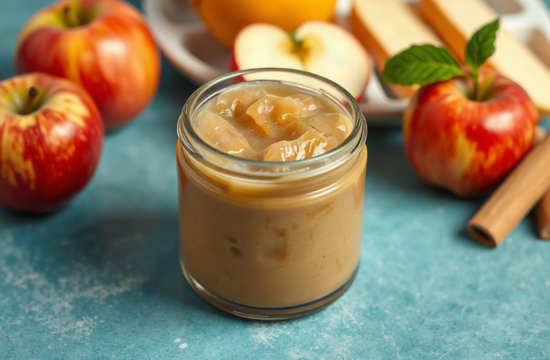
Prepared snacks can offer more control when evening cravings are predictable. Chia pudding made with milk and lightly sweetened fruit develops a thick texture because chia seeds absorb liquid. Baked apple with cinnamon and a spoonful of yogurt creates a warm option with recognizable ingredients. Cocoa stirred into Greek yogurt with mashed banana can satisfy a chocolate preference, although unsweetened cocoa is bitter and may need adjustment rather than excessive sweetener.
Use the following compact priority list to build a snack rather than collecting random “diet” foods:
- Choose the sweet component: whole fruit is the easiest default; a modest amount of dark chocolate or lightly sweetened dairy can also fit.
- Add staying power: select yogurt, cottage cheese, milk, nuts, seeds, or nut butter according to appetite and dietary needs.
- Set the serving before eating: plate or bowl the snack instead of eating from a multipack.
- Match it to the next meal: choose a smaller snack when dinner is soon and a more substantial pairing when several hours remain.
No single combination is universally best. Someone who dislikes dairy might use unsweetened soy yogurt, edamame alongside fruit, or a measured seed butter. People with food allergies, digestive conditions, diabetes, or clinician-directed diets may need different ingredients or carbohydrate amounts. Weight loss also depends on the broader eating pattern; adding a nutritious snack when there is no hunger can work against an energy deficit.
How Should You Choose Portions?
Portion choice should reflect hunger, meal timing, and the snack’s energy density rather than a rigid universal number. A person who ate a light lunch and has four hours until dinner may need yogurt with fruit. Someone wanting a sweet taste shortly after a complete meal may be satisfied with a few berries or a small piece of chocolate. Treating those situations as identical often produces either unnecessary restriction or unnoticed overeating.
Begin by deciding whether the need is physical hunger, a planned dessert, or a response to boredom and routine. Physical hunger tends to make several foods sound acceptable and often builds gradually. A highly specific desire can still be genuine, but it may call for a deliberate portion of the desired food rather than repeated substitutes. Eating yogurt, fruit, crackers, and nuts while continuing to think about chocolate can consume more than having a modest amount of chocolate intentionally.
Energy-dense toppings deserve particular attention. Nuts, seeds, nut butters, granola, coconut, and dried fruit provide useful nutrients, but small visual amounts can contribute substantial energy. They work better as accents than as an unrestricted base when weight loss is the goal. Fresh fruit and lower-sugar dairy generally provide more volume, while dried fruit or chocolate supplies concentrated flavor. Neither category is inherently good or bad; they serve different roles.
| Situation | Useful Snack Structure | Watch For |
|---|---|---|
| Mild desire for something sweet | Fresh fruit or a small plated portion of chocolate | Turning a taste preference into continuous grazing |
| Several hours until the next meal | Fruit plus Greek yogurt, cottage cheese, nuts, or seeds | Choosing candy alone and becoming hungry again quickly |
| After exercise | Fruit with a protein-containing food suited to the full day’s needs | Assuming exercise requires a large reward snack |
| Evening dessert routine | One pre-portioned option eaten away from the package | Eating while distracted and losing track of servings |
Pre-portioning is especially valuable for foods that are easy to eat quickly. Put chocolate, trail mix, granola, or frozen yogurt into a bowl and return the container before sitting down. For homemade snacks, use the same cups or containers repeatedly so serving decisions require less effort. The goal is not perfect measurement; it is making the intended portion visible.
Signs the portion strategy is working include arriving at the next meal hungry but not ravenous, being able to stop after the planned serving, and maintaining steady progress without feeling persistently deprived. Frequent hunger, low energy, fixation on food, or repeated loss-of-control eating suggests the plan may be too restrictive or poorly balanced. A registered dietitian or other qualified healthcare professional can help personalize intake when weight management intersects with medical conditions, pregnancy, an eating-disorder history, or medication use.
Support Your Weight Loss Goals Huge Discount on the Best Certified Organic Nutrient Dense Supplement!
Are Packaged Sweet Snacks a Good Choice?
Packaged sweet snacks can fit, but the package claims are less useful than the serving size, ingredient list, and nutrition information. Words such as “natural,” “keto,” “protein,” or “no added sugar” do not establish that a product will be filling, low in energy, or comfortable to digest. The practical advantage of packaged food is convenience and portion predictability; the disadvantage is that health-oriented branding can encourage people to eat more than they intended.
Start with serving context. A single yogurt cup may be a defined snack, while a resealable bag of granola clusters can contain several servings that disappear easily at a desk. Check whether the serving shown resembles the amount you would actually eat. Then compare protein and fiber with the total energy and added sugar in products serving the same purpose. A higher-protein yogurt may have more staying power than a fruit-flavored bar, but preferences, lactose tolerance, price, and access still matter.
Sugar-free products require judgment rather than automatic preference. Some use sugar alcohols or high-intensity sweeteners, which can reduce added sugar but do not guarantee greater satisfaction. Certain sugar alcohols may cause gas or digestive discomfort for some people, especially in larger portions. A product that prompts compensatory eating later or feels unpleasant is not a useful choice merely because its front label looks favorable.
Protein bars and snack bars are similarly mixed. A bar can be practical during travel or when refrigeration is unavailable, yet some are closer to candy bars with added protein. Compare products on the shelf rather than relying on category names. Look for a portion that matches your needs, a meaningful protein or fiber contribution, and an ingredient profile you tolerate. If a bar is not satisfying, pair half with fruit or choose a less processed option when circumstances allow.
Budget matters as well. Branded diet desserts often cost more than fruit, plain yogurt, popcorn with a sweet-spice blend, or homemade chia pudding. Whole foods are not mandatory, and processing exists on a spectrum, but paying extra for a “weight-loss” label rarely adds a unique advantage. Convenience may justify the price when it prevents vending-machine purchases or skipped meals followed by overeating.
The common mistake is trying to identify a perfect product. A better method is to keep two or three dependable options for different constraints: refrigerated yogurt and fruit at home, a shelf-stable bar for travel, and individually wrapped chocolate for intentional dessert portions. If the product repeatedly leaves you hungry, causes digestive symptoms, or leads to eating multiple servings, its marketing promises are irrelevant; replace it with a snack that behaves better in your routine.
Conclusion
Sweet snacks are easier to manage when they have a clear purpose: bridging a long gap between meals, answering physical hunger, or providing a deliberate dessert portion. Build most snacks around fruit or lightly sweetened dairy, then add protein, fiber, or a measured source of fat when more staying power is needed. Pay closest attention to toppings, dried fruit, granola, nut butter, and multipack foods because their portions can grow quietly.
Choose two or three combinations that suit your schedule, budget, and dietary needs, and portion them before eating. Monitor the result rather than the marketing: a suitable snack should satisfy the sweet preference without leading to persistent hunger or continued grazing. If restriction is producing fatigue, food fixation, or loss-of-control eating, stop tightening the rules and seek individualized guidance from a qualified health professional.
Frequently Asked Questions
Can I eat a sweet snack every day while losing weight?
Yes, if it fits your overall eating pattern and does not routinely displace filling meals or push intake beyond your needs. A planned portion is usually easier to manage than unstructured grazing.
Is fruit too high in sugar for weight loss?
Whole fruit can fit well because it also provides water, fiber, and volume. Juice and large portions of dried fruit are easier to consume quickly, so their portions may need more attention.
What is a good sweet snack before bed?
If you are physically hungry, try a modest serving of Greek yogurt with berries, cottage cheese with fruit, or a banana with a measured amount of nut butter. Avoid making bedtime eating automatic when hunger is absent.
Are protein bars good sweet snacks for weight loss?
They can be convenient, but quality and portions vary. Compare serving size, protein, fiber, added sugar, and total energy, then judge whether the bar actually keeps you satisfied.
Is dark chocolate better than milk chocolate?
Dark chocolate may offer a stronger cocoa flavor and sometimes less sugar, but it is still energy-dense. Choose the type you enjoy in a portion you can eat deliberately rather than treating either option as unlimited.