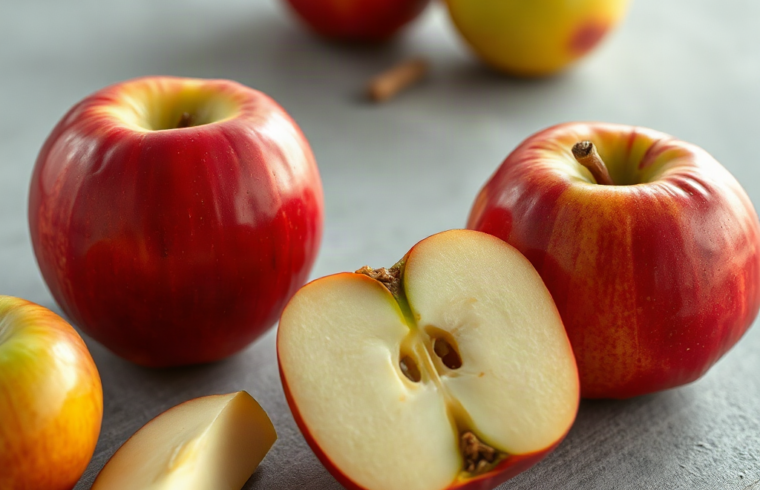
Apples and peanut butter can fit a weight-loss diet when the apple’s fiber and water are paired with a measured portion of peanut butter that adds protein, fat, and staying power. A practical serving is one small or medium apple with 1 tablespoon of peanut butter, although energy needs vary. The pairing may curb hunger better than eating fruit alone, but peanut butter is calorie-dense and pouring it directly from the jar can erase the intended calorie control. Choose peanut butter with peanuts as the main ingredient, measure the serving, and use the snack to replace a less satisfying option rather than adding it to an already adequate day.
Why Can Apples and Peanut Butter Be Satisfying?
An apple and peanut butter combine food characteristics that neither ingredient provides as effectively on its own. Apples supply water, fiber, carbohydrates, and substantial eating volume. Peanut butter contributes fat and some protein in a small serving. Together, those qualities can make the snack more satisfying than apple slices alone while still being simple enough for work, school, or travel.
The apple provides sweetness and crisp texture without relying on added sugar. Its fiber and intact structure slow the eating process compared with juice, applesauce, or many fruit-flavored snack products. Chewing a whole apple also gives the meal or snack more physical volume. Peanut butter adds richness and changes the experience from a quick piece of fruit into a more balanced combination of carbohydrate, fat, and protein.
That balance can matter when there is a long gap before the next meal. Someone who eats an apple at 3 p.m. may feel hungry again fairly quickly, particularly after a light lunch. Adding a measured spoonful of peanut butter may extend satisfaction and reduce the temptation to graze through crackers, sweets, or vending-machine snacks. The relevant weight-loss benefit is not that either food burns fat; it is that the pairing may make calorie control easier when it replaces a snack that is less filling or harder to portion.
The tradeoff is energy density. Apples contain a large amount of water relative to their volume, while peanut butter packs more calories into each bite. This makes the serving of peanut butter far more consequential than the apple variety. A thin measured layer can complement the fruit, but several unmeasured spoonfuls can turn a modest snack into the energy equivalent of a meal without creating the same volume.
A common misconception is that a nutritious food has no practical portion limit. Peanut butter offers useful nutrients, but its healthful profile does not cancel its calorie content. The combination is working when it keeps hunger manageable until the next planned meal and replaces random eating. It may be working poorly when the portion steadily grows, the snack is eaten without hunger, or it becomes an addition to meals rather than a substitute for another snack.
What Portion Fits a Weight-Loss Plan?
One small or medium apple with about 1 tablespoon of peanut butter is a sensible starting portion for many adults seeking a structured snack. It is not a universal prescription: body size, activity, medication use, meal timing, and total dietary intake all affect what is appropriate. The useful principle is to let the apple provide most of the volume while the peanut butter supplies a controlled amount of richness and staying power.
Measuring matters most during the first few servings. A household tablespoon, a large scoop, and a weighed tablespoon may look surprisingly different. Check the product label because serving sizes and formulations vary, then place the peanut butter in a small dish rather than dipping repeatedly into the jar. After learning what the intended amount looks like, consistent visual estimation becomes easier.
| Situation | Practical Starting Point | What to Monitor |
|---|---|---|
| Short gap before a meal | Small apple with a light, measured spread | Whether a full snack is actually needed |
| Several hours until the next meal | Medium apple with about 1 tablespoon | Hunger and concentration before the meal |
| After extended activity | Apple and a measured portion, plus another protein source if needed | Recovery needs and total daily intake |
| Frequent overeating from the jar | Single-serve measured container | Whether portion control becomes easier |
A larger snack is not automatically a mistake. A highly active person who will not eat dinner for several hours may need more food than someone having the combination shortly before lunch. In that situation, adding plain Greek yogurt, cottage cheese, or another protein-rich food may create a more complete mini-meal. Simply doubling or tripling the peanut butter adds considerable energy without much additional volume, so it may not be the most satisfying way to scale up.
Calorie tracking is optional, but portion awareness is not. People who dislike tracking can use a repeatable plate: one whole apple, one measured serving in a ramekin, and no eating from the container. Those who do track should use the nutrition label for their particular peanut butter and record the amount actually eaten rather than relying on a generic database entry.
Judge the serving by its effect over several days. A suitable portion should reduce distracting hunger without making the next meal feel forced or unnecessary. If hunger returns almost immediately, check whether lunch contained enough protein and total food before continually increasing the snack. If weight-loss progress stalls, review unnoticed extras such as heaping spoonfuls, sweetened spreads, drinks, and repeated snacks rather than blaming the apple.
How Should You Choose the Apple and Peanut Butter?
The best apple is one you enjoy enough to eat consistently, while the most useful peanut butter has a straightforward ingredient list and a flavor that works in a measured amount. Differences among common apple varieties are less important than choosing whole fruit instead of juice or heavily sweetened apple products. Crisp varieties can encourage slower eating, and smaller apples offer built-in portion flexibility.
Keep the peel when it is palatable, wash the fruit under running water, and remove damaged areas. The peel contributes fiber and texture, although a peeled apple remains a reasonable choice for someone who cannot tolerate the skin. Unsweetened applesauce can be convenient, but it is easier to eat quickly and may not feel as substantial as biting and chewing whole fruit. Apple juice lacks the same intact-food structure and is a poor substitute when fullness is the goal.
For peanut butter, compare products by ingredients and nutrition labels rather than front-of-package claims. A simple product may list peanuts, with or without salt. Some conventional spreads include added sugar and oils for sweetness and texture. Those ingredients do not automatically make a product unusable, but they can make it easier to treat the spread like a dessert and may change its nutrient profile. “Natural” is not a reliable portion-control signal; natural peanut butter is still energy-dense.
Powdered peanut products offer another option. They generally contain less fat after much of the peanut oil is removed, but the texture and satisfaction differ from standard peanut butter. Reconstituted powder may work for someone who wants a larger coating on apple slices, while regular peanut butter may be preferable when a smaller amount feels more satisfying. Neither choice is inherently superior; the better option is the one that fits the person’s calorie needs and prevents compensatory eating later.
Use a short buying checklist:
Support Your Weight Loss Goals Huge Discount on the Best Certified Organic Nutrient Dense Supplement!
- Read the ingredient list: look for peanuts as the main ingredient.
- Check the serving unit: compare the label with the amount you actually use.
- Consider sodium and added sugar: choose according to your wider diet and health needs.
- Buy a manageable package: individual cups or pre-portioned containers may help if jars trigger mindless eating.
Peanut allergy changes the decision completely. People with a diagnosed allergy should avoid peanut butter and follow their clinician’s safety plan rather than experimenting with small amounts. A tolerated seed butter may provide a similar eating format, but labels still need review for calories, added ingredients, and cross-contact warnings. Anyone managing diabetes, digestive disease, kidney disease, or another condition requiring individualized nutrition should discuss suitable portions with a qualified health professional.
How Do You Use This Snack in a Daily Eating Plan?
Placement matters more than finding a supposedly perfect time. Apples and peanut butter are most useful when they solve a predictable problem: a long afternoon between lunch and dinner, hunger before an evening workout, or the need for a portable alternative to pastries and candy. They are less useful when eaten automatically after a filling meal simply because the combination is considered healthy.
Plan the snack before hunger becomes urgent. Slice the apple and pack peanut butter in a measured leakproof container, or take a whole apple with a single-serve portion. This small amount of preparation removes the need to estimate from a communal jar at work. Lemon juice can reduce browning on cut apple surfaces, although a whole apple travels better and avoids extra preparation.
Consider a person who routinely buys a sweet coffee drink and baked item during an afternoon slump. Replacing that routine with an apple, peanut butter, and unsweetened coffee or tea may reduce calories while preserving a sweet, creamy, and crunchy experience. By contrast, adding the apple combination alongside the usual drink and pastry increases total intake. Substitution—not the reputation of the ingredients—is what creates the useful calorie difference.
The snack should also fit the surrounding meals. If breakfast and lunch are consistently too small, relying on repeated apple-and-peanut-butter servings may mask an underbuilt meal pattern. Lunch containing vegetables or fruit, a meaningful protein source, and an appropriate portion of grains or another carbohydrate may reduce the need for constant grazing. A snack can bridge meals, but it should not be expected to correct a day that lacks sufficient protein, variety, or total food.
Use a simple feedback check for one or two weeks:
- Choose the time when unplanned eating most often occurs.
- Pre-portion one apple and the peanut butter before that period.
- Note hunger before eating and roughly one to two hours afterward.
- Watch whether the snack reduces later grazing or merely adds another eating occasion.
- Adjust the meal pattern, portion, or snack choice based on the result.
Success is visible through behavior rather than a dramatic short-term scale change. Useful signs include fewer trips to the pantry, comfortable hunger before the next meal, and a serving that remains consistent without feeling punitive. Warning signs include eating directly from the jar, needing several servings to feel satisfied, or treating the snack as compensation for skipping meals. If the pairing repeatedly triggers overeating, choose an option that is easier to portion, such as an apple with plain yogurt or a cheese stick.
No single snack determines fat loss. Body weight changes reflect the broader pattern of energy intake, activity, sleep, medical factors, and consistency over time. Apples and peanut butter earn a place only when they make that pattern easier to sustain. People with a history of disordered eating should avoid rigid food rules and seek individualized support from a qualified clinician or registered dietitian when needed.
Frequently Asked Questions
Is apple and peanut butter a good breakfast?
It may work as a light breakfast, but many people will need more protein and total food. Adding plain Greek yogurt, cottage cheese, or eggs can make breakfast more substantial.
Can I eat apples and peanut butter every day?
Daily use can fit a varied diet if portions suit your needs and you do not have a peanut allergy. Rotate other fruits, nuts, seeds, and protein foods to improve dietary variety.
Which apple is best for weight loss?
No common variety has a decisive weight-loss advantage. Choose a whole apple you enjoy, using a smaller fruit when you want a lighter snack and a larger one when hunger is greater.
Is crunchy or smooth peanut butter better?
The weight-loss difference is usually less important than ingredients and portion size. Choose the texture you find satisfying, then measure it rather than eating from the jar.
What can replace peanut butter?
Depending on allergies and preferences, try a measured portion of almond butter, sunflower seed butter, plain yogurt, cottage cheese, or a cheese stick. Compare labels because calorie and protein levels vary.
Conclusion
Apples and peanut butter are most effective as a planned replacement for a less satisfying snack, not as an unlimited “diet food.” Start with a whole small or medium apple and a measured serving of peanut butter, then judge the combination by hunger control, portion consistency, and its effect on later eating. Choose products by their ingredient and nutrition labels rather than relying on natural or healthy marketing claims.
If the snack leaves you hungry, examine the quality and size of the preceding meal before adding more peanut butter. If it regularly pushes daily intake higher, reduce the portion or select a leaner protein pairing. A repeatable serving, placed where unplanned eating usually occurs, provides the clearest test of whether this combination genuinely supports your broader weight-loss pattern.