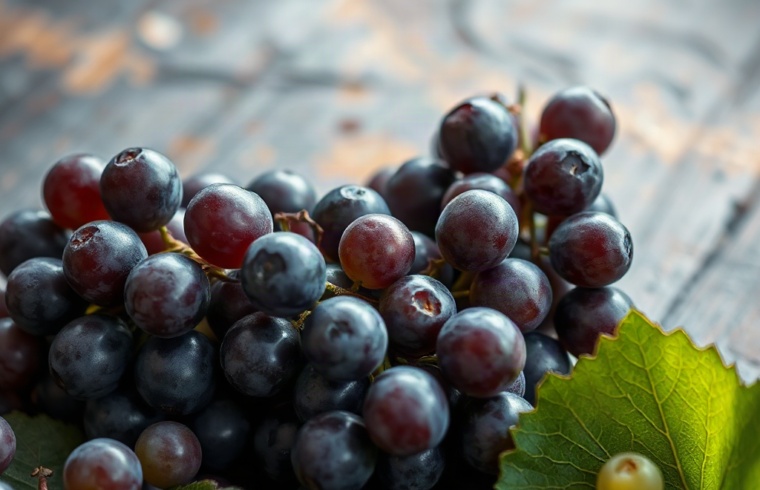
A practical grape portion for weight loss is about 1/2 to 1 cup, eaten when it can replace a higher-calorie snack or add measured sweetness to a balanced meal. Grapes provide water, carbohydrate, and some fiber, but their small size makes unplanned handfuls easy to underestimate. Pairing them with Greek yogurt, cottage cheese, or a modest serving of nuts usually provides more staying power than eating grapes alone. Timing matters less than total daily intake, although placing a portion near an afternoon hunger period or before planned exercise may make grapes more useful.
How Much Grapes Should You Eat for Weight Loss?
A reasonable starting portion is 1/2 to 1 cup of fresh grapes. The smaller serving may suit a meal that already contains other carbohydrate sources, while the larger serving can work as a stand-alone fruit component or a snack paired with protein. Body size, energy needs, activity, medications, and the rest of the meal all affect what fits; the range is a practical reference rather than a universal prescription.
Portion size deserves attention because grapes combine appealing sweetness with a bite-sized form. A person can eat several handfuls while talking, driving, or working without registering them as a distinct snack. Grapes are not unusually problematic, but eating from a large bag removes the visual stopping point that a bowl provides. Measuring one serving before sitting down makes the amount visible and easier to account for.
| Eating situation | Practical portion | How to use it |
|---|---|---|
| Part of breakfast or lunch | About 1/2 cup | Add to a meal that already includes whole grains, beans, or another carbohydrate food. |
| Planned snack | About 3/4 to 1 cup | Pair with a protein-rich or higher-fiber food for greater staying power. |
| Pre-exercise food | About 1/2 to 1 cup | Adjust to exercise duration, digestive comfort, and the timing of the previous meal. |
| Dessert replacement | About 1 cup | Serve chilled or frozen instead of eating an open-ended amount from the package. |
The useful comparison is not grapes versus no food; it is grapes versus the food they replace. A measured cup in place of candy, pastries, or a large sweetened coffee may reduce the snack’s energy load while retaining sweetness and volume. Adding grapes after a full meal without adjusting anything else, however, simply adds more food. Weight change is influenced by the broader energy balance over time, not by a special property of grapes.
Kitchen scales can improve consistency, but they are not required for everyone. A measuring cup used for the first few servings helps establish a visual reference. After learning what that amount looks like in a familiar bowl, occasional measuring can check whether portions have drifted. If tracking food causes anxiety or rigid behavior, a dietitian or another qualified clinician can help identify a less restrictive approach.
Judge the portion by what happens next. A useful serving fits the intended meal or snack and does not leave you searching for more food moments later. Persistent hunger may mean the serving needs a protein or fiber-rich partner rather than more grapes. A stalled plan may instead call for checking unmeasured extras across the whole day before blaming one fruit.
When Is the Best Time to Eat Grapes?
The best time is the point in the day when grapes solve a specific eating need: replacing a richer snack, supplying convenient carbohydrate before activity, or adding fruit to a balanced meal. There is no generally applicable hour at which grapes begin burning more fat. Daily intake, meal composition, sleep, activity, and consistency matter more than whether the fruit is eaten in the morning or evening.
For someone who routinely gets hungry between lunch and dinner, a pre-portioned afternoon snack is often more useful than waiting until intense hunger drives an unplanned purchase. Grapes travel well in a small container and require no cutting. Pairing them with plain Greek yogurt or a cheese stick can turn quick carbohydrate into a more substantial snack. The benefit comes from anticipating a predictable hunger period, not from a unique afternoon metabolic effect.
Grapes can also serve as an easily digested carbohydrate food before some workouts. A small portion 30 to 90 minutes before activity may be comfortable for a person who does not want a full meal. Exercise type, duration, intensity, and individual tolerance determine whether food is needed at all. A short, easy walk may require no special snack, while longer activity may justify more deliberate fueling. Eating extra grapes solely because exercise is planned can erase the intended calorie reduction if the session is brief.
Evening grapes are not automatically fattening. They become less helpful when they form part of repeated, distracted grazing after adequate meals. A measured bowl eaten intentionally can be a sensible dessert alternative. An open bag consumed alongside television offers few cues to stop. People managing diabetes or taking glucose-lowering medication should base carbohydrate timing on individualized clinical advice rather than adopting a generalized nighttime rule.
Use a simple timing check before serving them:
- Name the job: Decide whether the grapes are part of a meal, a planned snack, workout fuel, or dessert.
- Check recent food: If a complete meal was eaten recently, thirst, habit, or environmental cues may be driving the urge.
- Set the amount first: Portion the grapes before moving to a desk, sofa, or car.
- Review the result: Notice whether the serving carried you to the next planned meal without persistent hunger.
Timing is working when it reduces impulsive choices and makes the day’s eating pattern easier to sustain. It is failing when grapes are added automatically to meals, used to compensate for skipped meals, or treated as unlimited because they are fruit. The right schedule should organize intake, not create another rigid food rule.
How Can You Make Grapes More Filling?
Grapes become a more satisfying snack when combined with protein, fat, or additional fiber. They contribute water and carbohydrate, but a serving eaten alone may not hold everyone until the next meal. Pairing changes the snack’s composition and usually slows the pace of eating, which can make a measured portion feel more complete.
A practical combination is 3/4 cup of grapes with plain Greek yogurt. The grapes supply sweetness, while the yogurt supplies protein and a creamy texture. Cottage cheese offers a similar contrast. A small portion of walnuts, almonds, or pistachios adds fat, fiber, and crunch, although nuts are energy-dense and should also be portioned. Adding an unrestricted handful of nuts can make the snack more caloric than intended even if it is nutritious.
At a meal, grapes work best as one component rather than the central food. Consider a lunch containing a leafy salad, chicken or chickpeas, a measured dressing, and 1/2 cup of grapes. The fruit adds sweetness and moisture without requiring a sugary sauce. By comparison, a bowl containing only grapes and a few lettuce leaves may look light but lacks enough protein and substance for many people.
Whole grapes are generally more useful for appetite management than grape juice. Chewing takes time, and the intact fruit retains fiber and physical volume that juice does not provide to the same degree. Juice can be consumed quickly, and a glass may represent more fruit than someone would sit down and eat. Dried grapes, or raisins, are also concentrated: they remain nutritious, but the smaller volume makes generous portions easy to underestimate. Fresh grapes are often the easier choice when food volume is a priority.
Support Your Weight Loss Goals Huge Discount on the Best Certified Organic Nutrient Dense Supplement!
Frozen grapes can extend eating time and provide a dessert-like texture. Freeze washed, thoroughly dried grapes in a single layer before transferring them to a container. They remain a choking hazard for young children, and freezing does not make an unlimited portion calorie-free. Adults should still place a serving in a bowl instead of returning repeatedly to the freezer.
A good pairing should match the gap until the next meal. Grapes alone may be enough shortly before lunch; grapes plus yogurt may be more appropriate during a four-hour afternoon stretch. If hunger consistently returns within an hour, first strengthen the snack with protein rather than repeatedly increasing the fruit. If the pairing leaves you too full for the next meal, reduce the add-on or choose the smaller grape portion.
Which Mistakes Undermine Grape Portion Control?
The most common mistake is assigning grapes a “free food” status because they are fruit. Fruit contributes useful nutrients and can fit a health-supportive diet, but it still counts toward total intake. This distinction does not require fear or avoidance; it calls for the same deliberate serving approach used with other snack foods.
Package size creates another problem. Large clamshell containers encourage repeated handfuls, particularly when left visible on a counter. Washing the entire purchase may improve convenience, but convenience should be paired with portion cues. Divide some grapes into small containers for upcoming snacks and store the remainder out of immediate reach. This adds a stopping point without requiring daily weighing.
Failing to count accompaniments can also distort the plan. Grapes served with a modest amount of yogurt differ from grapes covered with sweetened yogurt, granola, honey, and a large scoop of nut butter. Each addition may be reasonable on its own, yet the combination can turn a snack into a meal-sized serving. Choose one or two additions based on the need: protein for fullness, nuts for longer-lasting energy, or cereal when more carbohydrate is appropriate.
Another weak assumption is that eating grapes before every meal will automatically reduce intake. Preloading may help some people if the fruit replaces part of an appetizer or dessert, but it may do nothing when the usual meal follows unchanged. Test the tactic rather than assuming it works. For one week, use a defined portion at the same hunger point and note whether later grazing decreases. If nothing changes, move the grapes into a meal or select a snack with more protein.
Watch for these signs that the approach needs adjustment:
- The planned half-cup routinely becomes several refills.
- Grapes are eaten without hunger while another activity holds attention.
- The snack leaves strong hunger well before the next meal.
- Fruit is being added rather than substituted for a more energy-dense choice.
- Rules about timing cause skipped meals, guilt, or compensatory restriction.
Progress should be evaluated across weeks, not by a single snack or daily scale fluctuation. Body weight can shift with hydration, digestion, and other short-term factors. If measured servings fit comfortably but the intended trend is absent, review beverages, cooking fats, restaurant meals, weekend portions, activity, and sleep before cutting out grapes. People with diabetes, kidney disease, digestive conditions, food allergies, or a history of disordered eating may need individualized guidance from an appropriate health professional.
Frequently Asked Questions
Can I eat grapes every day while trying to lose weight?
Yes, if the serving fits your overall eating pattern. Rotate grapes with berries, citrus, apples, and other fruits to obtain a broader range of flavors and nutrients.
Are green or red grapes better for weight loss?
Neither color has a decisive weight-loss advantage. Select the variety you enjoy, then focus on serving size, what it replaces, and whether the snack keeps you satisfied.
Is it better to eat grapes before or after a workout?
Before exercise, grapes can provide convenient carbohydrate; afterward, combine them with a protein-containing food if a meal is not coming soon. The need depends on workout length and intensity.
Are frozen grapes good for weight loss?
Frozen grapes have essentially the same role as fresh grapes and may take longer to eat. Measure them before freezing or serving because temperature does not change the need for portion awareness.
Can I eat grapes at night?
Yes. A planned evening portion can fit, especially when it replaces a richer dessert. Repeated eating from a large package is more relevant than the clock time itself.
Conclusion
Grapes fit most weight-conscious eating patterns when they have a defined role and a visible stopping point. Begin with 1/2 to 1 cup, then adjust according to the surrounding meal, activity, hunger, and individual nutrition needs. Use a smaller amount alongside other carbohydrate foods, or pair a snack-sized serving with yogurt, cottage cheese, or measured nuts when the next meal is several hours away.
Choose timing that solves a recurring problem rather than following a supposed fat-burning window. An afternoon portion may prevent an impulse purchase, while frozen grapes may replace a richer evening dessert. For the next week, pre-portion servings and note fullness, unplanned refills, and later snacking. Keep the pattern if it improves consistency; revise the pairing or placement if hunger persists or grapes merely add food without replacing anything.