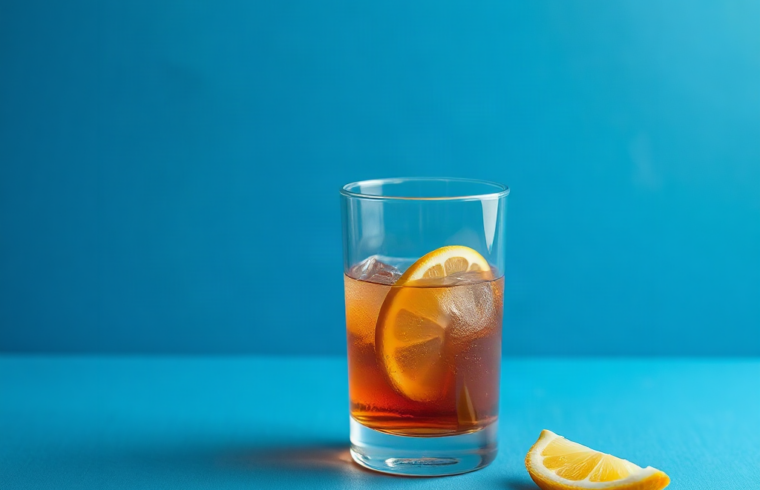
Alcohol choices that minimize dieting disruption are modest servings of unsweetened drinks, such as dry wine, light beer, or a measured spirit with soda water, consumed with a planned meal rather than on an empty stomach. Total alcohol, serving size, sugary mixers, and alcohol-driven snacking usually matter more than whether the drink is wine, beer, or liquor. Set the serving limit before drinking, alternate with water, and leave room for both the beverage and any food you realistically expect to eat. Alcohol can also weaken food decisions and disrupt sleep, so the lowest-calorie order is not necessarily the least disruptive choice.
What Makes an Alcoholic Drink More Diet-Friendly?
A drink fits a dieting routine more easily when its serving is measurable, its added sugar is limited, and it does not trigger an unplanned sequence of extra drinks and food. Alcohol itself supplies energy, so no alcoholic beverage is calorie-free even when the label says zero sugar or zero carbohydrates. The practical comparison therefore extends beyond the base drink to include pour size, alcohol concentration, mixers, frequency, and the behavior that follows.
Serving size can overturn assumptions about the “best” choice. A modest glass of wine may fit more predictably than a large restaurant pour, while one measured spirit with soda water may be easier to account for than a mixed drink containing several shots. Beer varies in alcohol content and serving volume, and cocktails can contain syrups, juice, cream, liqueurs, or sugar-rimmed glasses. A drink that sounds light may still be difficult to estimate when the bartender’s recipe and pour are unknown.
Alcohol also changes the context in which food decisions are made. It may reduce restraint, intensify interest in salty or rich foods, and make a planned portion feel less compelling. Someone might carefully choose a simple vodka soda but then order fries, eat after arriving home, and skip the next morning’s normal breakfast or activity. In that situation, the mixer was not the main source of disruption; the drink’s effect on the rest of the evening mattered more.
Sleep is another relevant tradeoff. Alcohol may make a person feel sleepy initially, yet drinking close to bedtime can leave sleep feeling less restorative. Poor sleep may make hunger, fatigue, and routine adherence harder the following day. Choosing one earlier drink with dinner may therefore be more useful than saving the same drink for late at night, even if the beverage itself is unchanged.
Do not treat a low-carbohydrate label as proof that a drink is compatible with every goal. Carbohydrate content, total energy, alcohol concentration, and personal response are separate considerations. The most useful choice is usually the one that can be poured consistently and enjoyed within a limit that still protects the planned meal, bedtime, and following day.
Which Alcohol Options Cause the Least Disruption?
Simple drinks generally make comparison and portion control easier. Dry wine, light beer, and a single measured spirit paired with soda water or another unsweetened mixer avoid much of the added sugar found in many cocktails. None is automatically the correct option: the better fit depends on how slowly it is consumed, whether the portion is known, and whether it encourages another round.
Dry wine can suit a meal-centered occasion because it is commonly served as a defined glass and sipped alongside food. Sweet wines and wine-based punches may contain more residual or added sugar, while oversized glasses can hide a generous pour. If wine reliably leads to refills because the bottle stays on the table, ordering one glass may create a clearer boundary than sharing a bottle.
Light beer offers a lower-alcohol, lower-energy alternative to many stronger beers, but labels should be compared rather than relying on color or style. A dark beer is not necessarily stronger than a pale one, and craft beers may contain considerably more alcohol per serving than a standard light beer. Higher alcohol concentration can also make effects arrive sooner. The relevant question is not simply “beer or wine?” but how much alcohol the actual container or pour delivers.
Spirits are concentrated and easy to underestimate. A measured serving with soda water, ice, and citrus keeps the mixer simple, but a free-poured double changes the calculation quickly. Tonic water, regular soda, lemonade, juice, cream, and flavored syrups add varying amounts of sugar and energy. A neat spirit is not inherently harmless either; the absence of a mixer does not remove the alcohol.
| Drink format | Potential advantage | Main issue to check |
|---|---|---|
| Dry wine | Pairs naturally with a meal | Glass size and refills |
| Light beer | Often lower in alcohol than stronger beer | Number of cans or bottles |
| Spirit with soda water | Little or no added sugar from the mixer | Single versus double pour |
| Sweet cocktail | May be satisfying as one planned drink | Syrups, juice, liqueurs, and large servings |
A favorite cocktail can sometimes be the more sustainable selection if one carefully chosen serving prevents repeated ordering of a less satisfying “diet” drink. The common mistake is judging beverages only by the expected calories in one serving while ignoring how many servings are likely. Choose the option that creates the most reliable stopping point, not merely the leanest-sounding menu description.
How Do Mixers, Portions, and Snacks Change the Outcome?
Mixers and accompanying food often create more uncertainty than the named spirit. Cocktail menus rarely show exact quantities, and two drinks with the same name may have different recipes. Frozen drinks, creamy cocktails, punches, and oversized restaurant creations can combine multiple alcohols with sweetened ingredients. Asking for a single spirit, an unsweetened mixer, and syrup on the side gives the drink a more visible structure.
Portion awareness is especially important at home. Large wine glasses make a moderate pour look small, while casually topping up a glass erases the boundary between servings. Use a measuring tool at least once to learn what your intended pour looks like in your own glassware. Spirits deserve the same check because the difference between a single and an unmeasured pour may not be obvious by sight.
Food timing should protect against both drinking on an empty stomach and treating alcohol as a replacement for dinner. A balanced meal containing protein, fiber-rich carbohydrates, vegetables, and some fat gives the evening a stable structure. Examples include grilled chicken with beans and vegetables, salmon with potatoes and salad, or a tofu grain bowl. Eating regular food first also makes it easier to distinguish genuine hunger from the urge to keep grazing while drinking.
Plan snacks for the setting rather than assuming willpower will improve later. At a gathering, a plate containing vegetables, a protein-rich item, and one food chosen for enjoyment is easier to track than repeated bites taken while standing near the buffet. At home, portion popcorn, cheese, crackers, or another intended snack before opening the drink. Eating directly from packages makes quantity difficult to notice, particularly after alcohol has affected attention.
Hydration can slow the pace of an evening, although water does not cancel alcohol or make it safe to drink more. Alternating an alcoholic beverage with water, sparkling water, or another nonalcoholic option creates time between decisions. It also separates thirst from the desire for another drink. The failure sign is not a small day-to-day scale fluctuation after salty food; it is a repeated pattern of extra drinking, late-night eating, poor sleep, and abandoning the next day’s normal routine.
Avoid “saving” nearly all available food for alcohol. That strategy can leave a person hungry before the first drink and more vulnerable to impulsive eating later. It also reduces the nutritional quality of the day. A modest adjustment to the meal may be reasonable, but alcohol should not routinely displace protein, produce, whole grains, or other foods needed for a balanced eating pattern.
Support Your Weight Loss Goals Huge Discount on the Best Certified Organic Nutrient Dense Supplement!
How to Plan Alcohol Without Derailing Your Routine
A workable alcohol plan is decided before the social pressure, menu choices, and lowered restraint of the evening. Identify whether drinking is actually important for the occasion, choose the drink and limit in advance, and decide what meal will accompany it. This approach replaces improvised tradeoffs with a boundary that can be checked in real time.
Use a short pre-event checklist:
- Choose the occasion. Reserve alcohol for events where it adds genuine enjoyment rather than drinking automatically.
- Set the serving boundary. Decide the number and type of drinks before the first order.
- Keep the recipe visible. Favor a clearly defined pour and request an unsweetened mixer when desired.
- Plan the meal and snack. Eat normally and account for foods that are realistically available.
- Protect the exit and bedtime. Arrange safe transportation and establish when drinking will stop.
Consider two restaurant scenarios. In the first, someone skips an afternoon snack, arrives very hungry, orders a strong cocktail, and shares several appetizers before dinner. In the second, the person eats normally during the day, orders one glass of wine with the main meal, drinks water, and declines a refill. The difference is not a special property of wine. The second evening has clearer portions, less hunger, and fewer decisions made after drinking begins.
Signs that the approach is working include staying within the preselected amount, eating roughly the meal that was intended, remembering the evening clearly, and returning to the normal routine the next day. Signs it is failing include repeated doubles, frequent unplanned food, drinking becoming more common than intended, or trying to compensate through severe restriction or excessive exercise. Compensation can prolong the disruption by producing more hunger and another cycle of overeating.
Safety outranks dieting. Alcohol is inappropriate before driving and may be unsuitable during pregnancy, with certain medications, for some medical conditions, or for anyone who has difficulty controlling intake. A clinician or pharmacist can provide individualized guidance about medication and health interactions. People who do not drink do not need to start for dieting or health reasons, and nonalcoholic choices may be the clearest option when control, sleep, or safety is a concern.
If the plan repeatedly fails, change the environment rather than searching for an even lower-calorie drink. Order a nonalcoholic beverage first, avoid keeping extra alcohol at home, attend events with a supportive friend, or choose alcohol-free occasions. The useful outcome is a routine that remains predictable, not a technically lighter beverage followed by consequences that interfere with eating, activity, sleep, or safety.
Conclusion
The most useful alcohol decision is the one that keeps the entire evening predictable. Compare actual servings rather than drink names, watch concentrated pours and sweetened mixers, and choose an amount before the first drink. Pairing alcohol with a balanced meal, spacing drinks with water, and planning any snack reduces the chance that hunger and lowered restraint will control the menu.
Judge success by more than the beverage’s estimated calories. Sleep quality, late-night eating, refill habits, safety, and the ability to resume a normal routine all reveal whether the choice fits. If a supposedly lighter drink repeatedly leads to extra rounds or food, replace it with a clearer boundary or an alcohol-free option. Anyone with medication concerns, a relevant health condition, pregnancy, or difficulty limiting intake should seek individualized professional advice rather than trying to optimize the drink.
Frequently Asked Questions
What is the least disruptive alcoholic drink for a diet?
A modest serving of dry wine, light beer, or a measured spirit with soda water is often easier to plan than a sugary cocktail. Portion size and the number of drinks still matter more than the label alone.
Is vodka better than wine when dieting?
Not automatically. A measured vodka with an unsweetened mixer may limit added sugar, while wine may be easier to sip slowly with a meal. Choose based on pour accuracy, pace, and likelihood of refills.
Should I skip dinner to make room for alcohol?
No. Skipping dinner can increase hunger and make unplanned eating more likely after drinking begins. Keep a balanced meal and adjust portions moderately rather than replacing nutritious food with alcohol.
Do zero-sugar alcoholic drinks have no calories?
No. Alcohol itself provides energy even when a drink has no sugar or carbohydrates. Check the serving size, alcohol content, and number of servings rather than relying on a zero-sugar claim.
Can water offset the effects of alcohol?
Water can support hydration and slow drinking when alternated with alcoholic beverages, but it does not neutralize alcohol, restore judgment, or make driving safe.