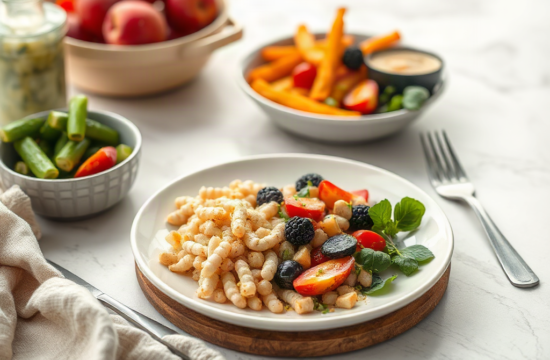
Postpartum dieting for gradual weight loss works best when recovery comes first, meals remain nutritionally complete, and any calorie reduction is modest enough to protect energy, healing, and milk production. Begin by establishing regular meals with protein, fiber-rich carbohydrates, vegetables, fruit, and nourishing fats rather than immediately restricting portions. Increase activity progressively after receiving appropriate medical clearance, especially following a cesarean birth or complications. If weight falls rapidly, fatigue worsens, hunger becomes relentless, milk supply appears to change, or recovery symptoms return, pause the deficit and consult a qualified healthcare professional.
When Should Postpartum Weight Loss Begin?
The early postpartum period is primarily a recovery phase, not a deadline for intentional weight reduction. Birth involves fluid shifts, tissue healing, hormonal changes, disrupted sleep, and substantial new demands on daily routines. A cesarean incision, significant blood loss, pelvic-floor symptoms, high blood pressure, infection, or feeding difficulties can extend the period in which adequate nourishment deserves priority over a calorie deficit.
Scale changes during the first weeks do not reliably show changes in body fat. Delivery, loss of retained fluid, constipation, intravenous fluids, breast changes, and normal day-to-day hydration can all move weight quickly. Treating those fluctuations as proof that a strict diet is working—or failing—can lead to unnecessary restriction. Clothing fit, appetite, stamina, recovery symptoms, and the ability to eat consistently provide more useful context.
The appropriate starting point therefore depends on recovery rather than a universal calendar date. Someone healing well, eating regular meals, and coping with light daily activity is in a different position from someone managing pain, dizziness, wound concerns, severe sleep loss, or postpartum mood symptoms. A postpartum medical visit is a useful time to discuss readiness for dietary changes and activity, but new or worsening symptoms warrant contact sooner.
Breastfeeding adds another practical constraint. Milk production requires energy and nutrients, while feeding schedules may intensify thirst, hunger, and nighttime waking. That does not mean intentional weight loss is impossible, but an aggressive restriction may be harder to sustain and may leave too little room for nutritional needs. Changes in milk supply can have several causes, so suspected supply problems should be assessed rather than blamed automatically on one meal or one day of eating.
A sensible readiness check is more useful than choosing an arbitrary start date:
- Meals and fluids are reasonably consistent rather than routinely skipped.
- Healing is progressing without unexplained worsening pain or bleeding.
- Light movement does not trigger pressure, leakage, dizziness, or renewed symptoms.
- There is enough practical support to obtain and prepare food.
- A clinician has addressed any birth complications or relevant medical conditions.
The common mistake is to interpret urgency as readiness. Before reducing food, stabilize the eating pattern and resolve barriers such as nausea, limited groceries, painful feeding, or an inability to sit down for meals. A delayed but workable plan is generally more useful than an early plan repeatedly interrupted by recovery needs.
How Should You Build Postpartum Meals?
Postpartum meals should make adequate nutrition easy before they attempt to make portions smaller. A practical plate combines a protein source, a fiber-rich carbohydrate, produce, and a source of fat. This structure supplies a broader mix of nutrients and usually keeps a meal satisfying longer than grazing on snack foods that contain mostly refined carbohydrate.
Protein can come from eggs, yogurt, cottage cheese, poultry, fish, beans, lentils, tofu, or lean meat. Carbohydrate choices such as oats, potatoes, brown rice, whole-grain bread, beans, fruit, and corn provide usable energy alongside varying amounts of fiber and micronutrients. Vegetables and fruit add volume and variety, while nuts, seeds, avocado, olive oil, dairy foods, and oily fish can contribute fats. Individual needs may differ because of allergies, cultural preferences, digestive tolerance, medical conditions, and budget.
For example, a bowl of oatmeal alone may be quick but leave some people hungry soon afterward. Adding milk or yogurt, berries, and nuts creates a more complete meal. A lunch of toast grabbed between feeds might become whole-grain toast with eggs and sliced tomato, plus fruit kept within reach. Dinner could pair canned salmon or beans with microwavable rice and frozen vegetables. Convenience foods are not automatically poor choices; frozen produce, canned beans, pre-cooked grains, and rotisserie chicken can reduce the workload during recovery.
Postpartum nutrition also calls for attention to nutrients rather than only calories. Iron-containing foods may deserve particular attention after blood loss, while calcium, iodine, choline, vitamin D, vitamin B12, and omega-3 fats may matter depending on the overall diet and feeding situation. Supplements should not be selected solely from social-media advice. A clinician or registered dietitian can help evaluate needs, especially with anemia, a vegan diet, malabsorption, thyroid disease, or continued use of a prenatal supplement.
Rigid “clean eating” often creates a different problem: meals become too complicated to prepare when the parent is tired or holding a baby. A more durable food setup includes two or three fast breakfasts, portable snacks, and freezer-friendly dinners. Useful pairings include fruit with peanut butter, yogurt with oats, hummus with pita, or cheese with whole-grain crackers. These are not special weight-loss foods; they are practical combinations that can prevent extreme hunger from building.
The mistake to avoid is removing entire food groups without a medical reason. Cutting carbohydrates, dairy, or fats can shrink dietary variety and make adequate intake harder, particularly during breastfeeding. First improve meal composition and regularity. Portion changes, if needed, are easier to judge once hunger is no longer being driven by skipped meals and nutritionally thin snacks.
How Can You Create a Gentle Calorie Deficit?
A gentle calorie deficit is best created through small, observable adjustments rather than a highly restrictive menu. Calorie needs after birth vary with body size, activity, breastfeeding, sleep, recovery, and medical history, so a generic low-calorie target can be misleading. The practical goal is to eat enough for recovery and daily function while reducing energy-dense extras or portions that are not serving hunger.
Begin with one or two changes that do not dismantle the meal. Someone who drinks several sweetened beverages might replace some with water, milk, or an unsweetened option. A person serving large amounts of cooking oil, creamy sauce, or snack foods directly from a package could measure a normal serving for a week to learn what is being used. Another person may need no smaller portions at all; simply replacing unplanned grazing with a plated meal may create a more stable pattern.
A useful sequence is:
- Stabilize meals: eat at predictable opportunities, even if the clock varies with infant care.
- Add missing components: include protein and produce before deciding that the meal is too large.
- Review concentrated extras: examine beverages, oils, sauces, sweets, and repeated bites eaten without awareness.
- Adjust one portion: make a modest change and observe hunger, energy, feeding, and recovery.
- Reassess after a consistent period: avoid reacting to a single weigh-in or difficult day.
This differs from crash dieting, which often produces a sharp initial scale change through lower food volume, depleted carbohydrate stores, and associated water loss. That quick movement can look persuasive without representing a sustainable rate of fat loss. Severe restriction may also worsen irritability, fatigue, preoccupation with food, constipation, or rebound eating—effects that are especially disruptive when sleep is already fragmented.
Movement can complement dietary adjustments, but exercise should progress according to symptoms and medical guidance. Walking, daily mobility, and appropriately selected pelvic-floor and core rehabilitation may be reasonable starting points for some people. Running, heavy lifting, or intense classes may require a slower return, particularly with pain, abdominal-wall concerns, urinary leakage, pelvic pressure, or surgical healing. Exercise should not be used to compensate for eating.
Support Your Weight Loss Goals Huge Discount on the Best Certified Organic Nutrient Dense Supplement!
A mistake is assuming that more restriction guarantees faster useful progress. If a plan leaves someone too hungry to sleep when the opportunity arises, too depleted to manage daily care, or prone to evening overeating, the deficit is not functioning well. Add food back, improve meal balance, or seek individualized advice rather than pushing through escalating symptoms.
How Should You Monitor Progress and Warning Signs?
Progress should be judged through trends and function, not a daily verdict from the scale. Body weight can vary with hydration, sodium, bowel movements, menstrual changes, milk volume, and meal timing. If weighing is emotionally neutral, using the same conditions and reviewing a multiweek direction can reduce noise. If weighing triggers anxiety, compulsive restriction, or persistent body checking, non-scale measures may be safer and more informative.
Useful signs include steadier hunger, meals that remain satisfying for several hours, adequate energy for routine care, gradual improvement in comfortable movement, and a dietary pattern that still works after a poor night of sleep. Waist measurements and clothing fit can also fluctuate during postpartum healing, so they should not be treated as precise weekly tests. Recovery of abdominal and pelvic tissues follows its own course and is not fully explained by body weight.
Consider a parent whose weight does not change for two weeks while sleep is highly disrupted. Cutting another meal may seem logical, but first reviewing the situation may reveal restaurant food, constipation, reduced movement due to pain, or ordinary fluid retention. Maintaining the current plan while improving sleep opportunities and addressing symptoms may be more appropriate than immediately tightening the diet. Conversely, if intake is consistent for a longer period and progress remains absent, a small portion adjustment may be reasonable.
Warning signs change the decision. Persistent dizziness, faintness, marked weakness, worsening mood, inability to eat normally, obsessive calorie tracking, binge episodes, or renewed recovery symptoms deserve professional attention. Urgent postpartum symptoms—such as severe headache, chest pain, trouble breathing, heavy bleeding, fever, or thoughts of self-harm or harming the baby—require prompt medical help rather than a dietary adjustment.
Breastfeeding parents should also notice the broader feeding picture. Perceived low supply cannot be confirmed by breast fullness or pumping output alone. Infant growth, diaper patterns, feeding effectiveness, and clinical assessment provide better context. If a supply concern appears after dietary restriction, restore adequate intake and contact a pediatric or lactation professional instead of experimenting with unverified supplements.
The common failure mode is changing several variables at once: reducing portions, eliminating foods, adding intense workouts, and weighing daily. That makes it impossible to identify what caused fatigue, excessive hunger, or feeding concerns. Change one major element at a time, record a few relevant observations, and retain enough flexibility for illness, growth spurts, travel, or difficult nights. A plan is working when it remains nutritionally adequate and operational under normal postpartum constraints.
Conclusion
Postpartum weight management is most workable when the plan respects healing, feeding demands, sleep disruption, and limited preparation time. Establish dependable meals built around protein, fiber-rich carbohydrates, produce, and nourishing fats before reducing portions. Then change one source of excess energy at a time and judge the result through multiweek trends, hunger, stamina, recovery, and feeding outcomes.
Rapid scale movement is not the best measure of a sound plan, particularly while fluid balance and routines are still changing. If restriction causes relentless hunger, low energy, mood changes, recovery problems, or possible milk-supply concerns, increase intake and obtain qualified advice. The next practical step is to review a typical day of eating, strengthen the least complete meal, and discuss readiness with a healthcare professional when birth complications, breastfeeding concerns, or medical conditions affect the decision.
Frequently Asked Questions
Can I diet while breastfeeding?
Many breastfeeding parents can pursue gradual weight loss, but aggressive restriction may undermine energy, nutrient intake, or milk production. Build complete meals first, make modest changes, and seek individualized advice if supply, infant growth, or maternal health is a concern.
Why is my postpartum weight changing from day to day?
Hydration, sodium, bowel movements, meal timing, hormonal shifts, and milk volume can all affect short-term readings. Look at a longer trend under similar weighing conditions rather than interpreting one measurement as fat gain or loss.
Do I need to count calories after giving birth?
Calorie counting is optional and may be unhelpful for people with a history of disordered eating. Regular meals, balanced plates, beverage choices, and mindful portions can provide structure without a numerical target.
What is a practical postpartum breakfast for weight loss?
Choose an easy combination containing protein, fiber-rich carbohydrate, and produce, such as yogurt with oats and berries or eggs with whole-grain toast and fruit. The best option is one you can prepare and eat consistently.
When should I seek professional help with postpartum eating?
Contact a qualified professional for persistent dizziness, severe fatigue, worsening mood, bingeing, obsessive restriction, suspected low milk supply, poor healing, or medical conditions affecting nutrition. Urgent postpartum symptoms require prompt medical care.