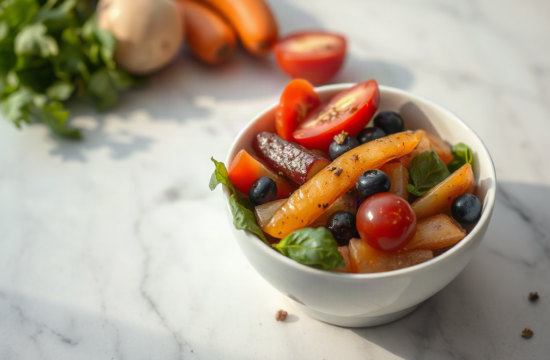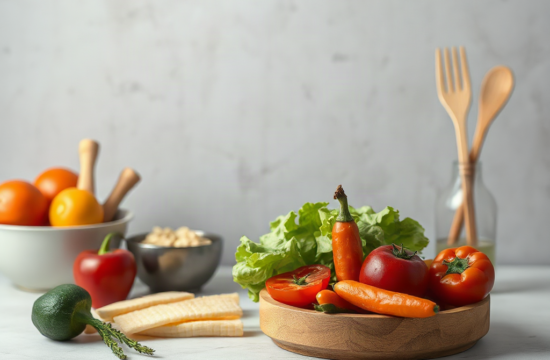
An Indian diet plan for natural weight reduction works best when its principles center on portion-aware staple foods, adequate protein, abundant vegetables, and limited fried or sugar-heavy extras. Keep roti or rice in measured amounts, pair them with dal, curd, eggs, fish, chicken, paneer, or soy, and avoid letting oil-rich gravies quietly raise meal calories. Regular meal timing and minimally processed snacks can make hunger easier to manage without banning familiar regional dishes. Progress should be judged by sustainable eating patterns, waist or weight trends, energy, and satiety rather than rapid changes promised by detoxes or severe restriction.
What Makes an Indian Diet Suitable for Weight Reduction?
Traditional Indian meals can be adapted for weight reduction without removing roti, rice, dal, or regional dishes. The useful distinction is not between “Indian food” and “diet food,” but between a meal that controls energy density and one that concentrates calories through oversized starch portions, frequent frying, generous oil, sweets, or sweetened drinks.
A workable meal provides enough volume and protein to make a smaller calorie intake tolerable. Vegetables contribute bulk, dal and other pulses provide protein and fibre, and foods such as curd, eggs, fish, chicken, paneer, tofu, or soy chunks can strengthen the protein component. Roti and rice remain usable sources of carbohydrate; their portions simply need to reflect appetite, activity, and the other foods on the plate.
Consider two lunches. The first contains several rotis, potato curry cooked with substantial oil, a small amount of dal, and sweet tea. The second contains fewer rotis, a full serving of dal, a dry or lightly cooked vegetable sabzi, salad, and unsweetened curd. Both use familiar foods, but the second arrangement generally provides more protein and food volume while placing clearer limits on concentrated starch, oil, and added sugar.
Food quality matters, but it does not cancel portion size. Brown rice, millet rotis, nuts, seeds, ghee, and paneer may fit a nutritious diet, yet each can contribute more energy than expected when served freely. Replacing white rice with brown rice while keeping a very large serving may change fibre intake without creating the calorie reduction needed for gradual weight change.
A practical first check is the pattern of an ordinary week. Note how often meals include a distinct protein source, how much oil is used in cooking, whether beverages contain sugar, and whether evening snacks become a second dinner. Signs that the approach is working include manageable hunger, steady energy, repeatable portions, and a gradual downward trend over several weeks. Persistent fatigue, intense hunger, recurrent overeating, or rigid avoidance of entire food groups suggests that the plan is too restrictive or poorly balanced.
How Should Roti, Rice, and Protein Share the Plate?
The plate should be organized around vegetables and protein before deciding the quantity of roti or rice. This order prevents the staple from filling nearly the entire meal while dal, curd, or another protein appears only as a small side. No single plate ratio suits every body size or activity level, but the visual balance should clearly favor non-starchy vegetables and a meaningful protein serving.
For a vegetarian lunch, a practical combination could be roti with rajma or chana, mixed vegetable sabzi, cucumber, and plain curd. A non-vegetarian version might pair rice with fish curry, beans or greens, and salad. If the curry is rich in coconut, cream, nuts, or oil, its serving deserves more attention because gravy can deliver substantial energy even when the fish, chicken, or paneer portion looks modest.
| Meal Component | Practical Role | Common Portion Error |
|---|---|---|
| Vegetables | Add volume, texture, and fibre | Using mostly potato or deep-fried vegetables |
| Protein food | Improves meal substance and satiety | Treating thin dal gravy as the entire protein serving |
| Roti or rice | Supplies carbohydrate and makes meals familiar | Adding repeated servings automatically |
| Cooking fat | Supports flavor and preparation | Pouring oil without measuring it |
Roti and rice do not need to be combined at every meal. Choosing one often makes portions easier to see, although eating both is not inherently harmful when the total amount remains appropriate. Whole-wheat roti, hand-pounded rice, brown rice, and millets may offer different textures and fibre levels, but none produces weight reduction independently. Choose the staple that is affordable, digestible, and easy to portion consistently.
Protein deserves particular attention in plans that simply reduce all food. A breakfast consisting only of tea and two biscuits may be low in volume but does little to support lasting fullness. Besan chilla with curd, vegetable poha with an egg or sprouts, or idli with a protein-containing sambar creates a more complete meal. Paneer and nuts can contribute protein, but their fat content makes portion awareness useful; lower-fat curd, dal, eggs, lean poultry, fish, tofu, or soy may offer more protein for the same energy in some meals.
Adjust the plate according to feedback rather than copying a fixed menu indefinitely. A highly active person may need more staple food than someone with a sedentary routine. If hunger returns soon after eating, first check protein, vegetables, and meal size rather than adding unplanned sweets or fried snacks. If portions seem balanced but weight is not trending down after several consistent weeks, review oils, beverages, restaurant meals, and repeated servings before removing another food group.
Which Indian Cooking Habits Change Calorie Intake?
Cooking method can change the energy content of an Indian meal more than the ingredient name suggests. Brinjal, okra, cauliflower, chicken, and paneer can appear in light preparations or absorb considerable oil through frying and rich gravies. Measuring cooking fat is more informative than assuming home-cooked food is automatically light.
A teaspoon used deliberately is easier to account for than oil poured directly from a bottle. For a shared household dish, measure the total amount added and consider how many servings the pot actually provides. Tempering spices in a modest quantity, using a non-stick or well-seasoned pan, steaming before sautéing, and relying on tomatoes, onions, ginger, garlic, chillies, herbs, and dry spices for flavor can reduce the need for excess fat without producing bland food.
The same reasoning applies to snacks. Roasted chana, fruit with plain curd, boiled corn with vegetables, dhokla, or a small portion of nuts may be easier to fit than samosa, pakora, bhujia, or bakery biscuits. The alternative still needs a boundary: a large bowl of roasted namkeen or repeated handfuls of nuts can become calorie-dense despite sounding healthier. Packaging claims such as baked, multigrain, or sugar-free should not replace attention to serving size and ingredients.
Liquid calories are another frequent blind spot. Sweet tea several times a day, flavored milk, packaged juice, soft drinks, and sweet lassi may not create the same fullness as a solid meal. Gradually reducing sugar in tea, choosing water or unsweetened beverages, and treating sweet drinks as occasional items can be more sustainable than making several food restrictions at once.
Support Your Weight Loss Goals Huge Discount on the Best Certified Organic Nutrient Dense Supplement!
Restaurant and celebration meals require a different strategy because oil and serving sizes are difficult to estimate. Arriving extremely hungry often leads to quick refills and less deliberate choices. A reasonable approach is to keep earlier meals normal, choose either a fried starter or a rich dessert rather than both, include a protein dish and vegetables, and stop when comfortably satisfied. Trying to compensate with fasting the next day can create a restrict-and-overeat cycle.
Cooking adjustments are failing when food becomes so austere that family meals feel impossible, hunger dominates the day, or high-calorie “cheat” meals become routine. Preserve the flavors and dishes that matter most, then target the less noticeable additions first: excess oil, sugar in drinks, creamy gravies, fried accompaniments, and automatic second servings.
How to Build a Practical Daily Meal Pattern
A useful daily pattern matches household routines rather than imposing an idealized schedule. Three meals may suit some people, while others prefer three meals plus one planned snack. Meal frequency is less decisive than total intake, food quality, and whether the schedule prevents uncontrolled grazing or very large late meals.
Breakfast can be substantial if mornings are busy or modest if appetite is low. Practical choices include vegetable upma with curd, idli and sambar, besan chilla, oats cooked with milk, or eggs with roti and vegetables. Tea and biscuits alone often become a weak foundation because they supply limited protein and may be followed by repeated snacking. Breakfast is not mandatory for everyone, but skipping it should not lead to intense hunger and overeating later.
Lunch and dinner can use the same plate logic while varying regional foods. A South Indian meal might include sambar, a measured serving of rice, poriyal, and curd. A North Indian meal could combine roti, dal, seasonal sabzi, and salad. Coastal meals may use fish curry with rice and vegetables. A vegetarian household can rotate moong, masoor, chana, rajma, soy, tofu, paneer, and curd rather than relying on one thin dal every day.
Use this compact weekly check before making the plan stricter:
- Plan protein: identify a clear protein food for each main meal.
- Set staple portions: serve roti or rice once, then pause before taking more.
- Measure cooking fat: track what enters the pan, not only what appears on the plate.
- Control beverage sugar: count tea, coffee, lassi, juice, and soft drinks.
- Review the trend: assess several consistent weeks rather than reacting to daily scale changes.
Budget constraints do not require specialty products. Seasonal vegetables, local fruit, dal, chana, eggs, curd, soy chunks, and ordinary grains can form an effective base. Protein powders, detox drinks, imported seeds, and replacement shakes are not necessary for most food-based plans. Convenience can still matter: keeping boiled eggs, cooked dal, washed vegetables, plain curd, or roasted chana available may prevent last-minute fried-food choices.
Natural weight reduction should not mean ignoring medical needs. People who are pregnant or breastfeeding, under 18, older and frail, taking glucose-lowering medication, living with kidney or liver disease, recovering from an eating disorder, or experiencing unexplained weight change should seek individualized guidance from a qualified clinician or dietitian. Dizziness, persistent weakness, menstrual changes, or a preoccupation with severe restriction are reasons to stop tightening the plan and obtain professional advice.
Frequently Asked Questions
Can rice be eaten during an Indian weight-reduction plan?
Yes. Keep the serving deliberate and pair rice with vegetables and a substantial source of protein such as dal, curd, eggs, fish, chicken, tofu, or soy rather than eating a starch-dominant plate.
Are millets better than wheat roti for losing weight?
Millets can add variety and fibre, but they are not automatically lower in calories. Digestibility, portion size, preparation, cost, and the rest of the meal matter more than treating one grain as a weight-loss food.
Is it necessary to stop eating dinner after a certain time?
No universal cutoff applies. A consistent dinner that fits your routine and does not trigger late-night grazing is more practical than an arbitrary deadline; people with reflux or medical needs may require individualized timing.
Can a vegetarian Indian diet provide enough protein?
It can when meals deliberately include dal, beans, chana, curd, paneer, tofu, soy, or other suitable protein foods. Rotating sources is usually more practical than expecting a small portion of dal to cover every meal.
How can progress be checked without obsessing over daily weight?
Review weight or waist trends at consistent intervals alongside hunger, energy, meal adherence, and clothing fit. Daily changes can reflect fluid, digestion, salt intake, and other short-term influences rather than a change in body fat.
Conclusion
A sustainable Indian eating pattern keeps familiar foods while changing their proportions and preparation. Build meals around vegetables and a clear protein source, serve roti or rice deliberately, and measure oils instead of judging meals only by whether they are homemade. Sweet drinks, fried snacks, rich gravies, and repeated servings usually deserve attention before entire food groups are removed.
Choose a routine that can survive workdays, family meals, travel, and occasional celebrations. Track the pattern for several weeks, then adjust one visible variable at a time—such as cooking oil, staple portions, or evening snacks. If the plan causes persistent weakness, severe hunger, compulsive restriction, or conflicts with a medical condition or medication, individualized professional advice is safer than further calorie cutting.