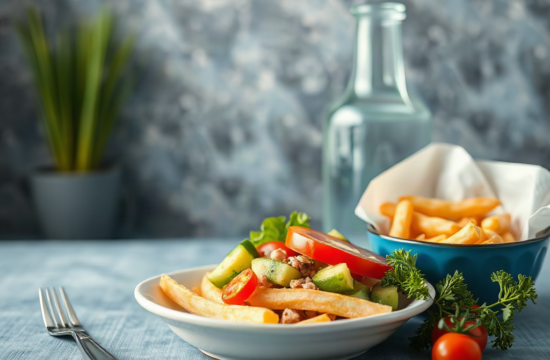
Natural appetite control through meal structure works best when meals combine protein, fiber-rich carbohydrates, vegetables or fruit, and enough fat to remain satisfying between planned eating times. Regular spacing can reduce the intense hunger that follows skipped meals, while higher-volume whole foods slow eating and provide more physical fullness than calorie-dense snacks. A useful starting point is three balanced meals, with an optional snack when hunger, activity, or a long interval makes it necessary. Meal timing should remain flexible, because persistent hunger may reflect portions that are too small, inadequate protein or fiber, poor sleep, medication effects, or an overly restrictive diet.
How Does Meal Structure Affect Appetite?
Meal structure influences how quickly hunger returns by changing food volume, digestion speed, eating pace, and the likelihood of reaching the next meal in a depleted state. A meal made mainly from refined starch or a small snack may be easy to eat quickly yet provide limited staying power. A mixed meal containing protein, fiber-rich plants, and some fat generally takes longer to eat and digest, although individual responses vary.
Physical fullness and satisfaction are related but not identical. A large bowl of plain raw vegetables may fill the stomach temporarily without supplying enough energy or protein to feel like a complete meal. Conversely, a small serving of highly energy-dense food may provide ample calories before it creates much physical fullness. Effective appetite management usually sits between those extremes: enough volume to register as a meal and enough nutritional substance to carry a person through the intended interval.
Consider two lunches. The first is a pastry and sweetened coffee consumed at a desk. The second includes a bean-and-chicken bowl with brown rice, salsa, lettuce, and avocado. The second meal contains several sources of texture, protein, fiber, and volume, so it is likely to require more chewing and provide a broader mix of nutrients. That does not make it universally lower in calories or guarantee a specific appetite response, but it gives the meal more structural elements that can support satisfaction.
Predictability matters as well. Frequently delaying lunch until hunger becomes urgent can make fast, readily available foods unusually appealing. Eating at rigid times despite having no hunger can create a different problem: meals become detached from physical cues. A useful structure provides anticipated eating opportunities without treating the clock as an absolute rule.
A common misconception is that successful appetite control means suppressing hunger for as long as possible. Hunger is a normal signal, and trying to eliminate it can encourage excessive restriction followed by reactive eating. The more practical aim is to keep hunger within a manageable range, notice when it develops, and have a suitable meal available before decision-making becomes difficult.
How to Build a Meal That Keeps Hunger Manageable
A satisfying meal usually needs four functional parts: a meaningful protein source, fiber-rich plant food, an energy-providing carbohydrate or fat, and enough total food for the person and situation. Exact portions cannot be prescribed from a universal formula because body size, activity, health needs, food preferences, and the time until the next meal all affect what is adequate.
Protein options include eggs, fish, poultry, Greek yogurt, cottage cheese, tofu, tempeh, beans, lentils, and lean meat. Fiber and meal volume can come from vegetables, fruit, legumes, oats, barley, or other whole grains. Fats such as nuts, seeds, olive oil, avocado, and nut butter may make a meal more enjoyable and energy-sufficient, but their compact portions can be easy to underestimate. Whole foods are not automatically ideal in unlimited amounts, just as processed foods are not automatically unsuitable; the relevant question is how the complete meal affects satisfaction, convenience, and dietary needs.
A practical assembly sequence is:
- Choose the protein anchor. Decide whether the meal will center on eggs, yogurt, fish, poultry, tofu, beans, or another suitable option.
- Add plants with texture and fiber. Use cooked vegetables, salad, fruit, legumes, or whole grains rather than relying only on juice or a small garnish.
- Include enough energy. Add potatoes, rice, bread, oats, pasta, fruit, oil, nuts, or another preferred source according to appetite and activity.
- Check the eating interval. A meal expected to last six hours may need more substance than one followed by a planned snack three hours later.
Breakfast illustrates why context matters. Plain yogurt and berries may work for someone eating lunch soon, while another person with a long morning might need Greek yogurt, berries, oats, and walnuts. Someone who dislikes breakfast does not have to force a large early meal, but repeatedly skipping it and becoming ravenous by noon is evidence that the current pattern is not working.
Liquid calories and soft foods deserve attention because they can be consumed quickly. A smoothie containing fruit, milk, nut butter, and yogurt can function as a meal, yet some people feel less satisfied than when chewing the same ingredients separately. The correct comparison is not smoothie versus no smoothie; it is whether that form supports manageable hunger in the person’s actual schedule.
The usual mistake is making meals look virtuous while leaving them nutritionally incomplete. A lightly dressed salad with little protein may produce early hunger, and adding ever more vegetables may not solve the missing energy. When hunger returns soon after a meal, inspect its protein, fiber, fat, carbohydrate, and total size before blaming willpower.
Does Meal Timing or Eating Frequency Matter More?
Neither a fixed meal frequency nor a perfect clock time controls appetite for everyone. Timing becomes useful when it prevents extreme hunger, fits sleep and work demands, and allows meals substantial enough to feel satisfying. Some adults prefer three meals, while others function better with three meals and a snack or with fewer, larger eating occasions. The pattern should be judged by its effects rather than by its label.
Long gaps can be manageable after a substantial meal, but they may become counterproductive when the preceding meal was small or activity is high. For example, a person who eats lunch at noon and dinner at 8 p.m. may benefit from a planned afternoon snack. An apple alone might not last long; pairing it with yogurt, cheese, nuts, or hummus adds protein or fat and makes the snack more structurally complete. On a less active day with an earlier dinner, that snack may not be needed.
Frequent grazing has the opposite tradeoff. Small bites can prevent pronounced hunger, but they may also blur the boundary between eating and not eating. It becomes difficult to evaluate satisfaction when coffee drinks, handfuls of food, and tastes during cooking occur throughout the day. Planned eating occasions create clearer feedback: hunger before eating, satisfaction afterward, and a distinct interval in which appetite can be observed.
Late eating is not automatically harmful, and an arbitrary evening cutoff may be impractical for shift workers or people who train after work. The useful questions are whether late meals disrupt sleep, follow an underfed day, cause physical discomfort, or turn into unplanned eating unrelated to hunger. Moving more food earlier may help when evening overeating repeatedly follows a minimal breakfast and rushed lunch. If the schedule genuinely requires a late dinner, a balanced afternoon meal or snack can reduce the pressure placed on that dinner.
Use timing as a flexible experiment rather than a moral rule. For several days, note when meals occur, how hungry you are beforehand, and whether satisfaction lasts until the next intended eating opportunity. If intense hunger appears at the same time each day, move the preceding meal, enlarge it, or insert a planned snack. If you rarely feel hungry before an eating occasion, check whether grazing or oversized earlier meals are obscuring useful cues.
Support Your Weight Loss Goals Huge Discount on the Best Certified Organic Nutrient Dense Supplement!
How to Tell Whether Your Meal Structure Needs Adjusting
A workable meal structure produces reasonably stable energy, manageable pre-meal hunger, and meals that end in comfortable satisfaction rather than urgency or discomfort. It should also be realistic enough to repeat during ordinary workdays. A theoretically balanced plan that requires daily elaborate cooking is unlikely to remain useful if time, budget, kitchen access, or family preferences make it impractical.
Signs of a weak structure include thinking about food continuously, becoming irritable or shaky before meals, routinely eating beyond comfort at night, or needing constant rules to avoid available snacks. These experiences do not prove that meal composition is the only cause. Sleep loss, stress, medications, pregnancy, intense training, medical conditions, and a history of restrictive eating may all alter appetite. Persistent or unexplained changes deserve discussion with a qualified healthcare professional rather than increasingly strict self-experimentation.
Adjust one variable at a time so the result is interpretable. If lunch fails to last, first add a clear protein source or increase the existing one. If the meal already contains substantial protein but feels physically small, add vegetables, legumes, fruit, or a whole-grain side. If fullness is present but satisfaction is absent, the meal may need more energy, flavor, fat, or a preferred carbohydrate. Changing every component and the timing simultaneously makes it hard to identify what helped.
Convenience foods can strengthen rather than undermine structure. Frozen vegetables, canned beans, pre-cooked grains, tinned fish, rotisserie chicken, bagged salad, and unsweetened yogurt can shorten preparation. A frozen meal may become more satisfying when paired with extra vegetables and a protein- or fiber-rich side. The better option is often the one that can be assembled consistently, not the one with the fewest packaged ingredients.
Evaluate the pattern with a short checklist:
- Does each main meal contain an identifiable protein source?
- Are fiber-rich plants present in forms you actually enjoy?
- Is the portion appropriate for the next eating interval and current activity?
- Do planned snacks solve a predictable hunger gap rather than extend grazing?
- Can the meals be prepared within your time, budget, and storage limits?
Success should not be defined as never feeling hungry. Mild hunger before a meal can coexist with good appetite regulation. The approach is failing when hunger repeatedly becomes extreme, food thoughts dominate the day, meals feel punitive, or the pattern encourages cycles of restriction and loss of control. In that situation, increase adequacy and flexibility rather than adding more appetite-suppression tactics.
Conclusion
Useful meal structure is built around adequacy, predictability, and feedback rather than rigid eating rules. Begin by giving each main meal a clear protein source, fiber-rich plant foods, enough energy, and a portion suited to the time until you will eat again. Use planned snacks when they solve a recurring gap, not simply because a schedule says they are required.
Test the pattern during normal days and watch for practical signals: comfortable satisfaction, steady energy, moderate hunger before meals, and fewer episodes of reactive eating. If a meal repeatedly falls short, change one feature—such as protein, volume, total portion, or timing—and reassess. Persistent extreme hunger, abrupt appetite changes, or restrictive eating patterns should not be managed by tightening food rules; they are reasons to seek individualized advice from an appropriate healthcare or nutrition professional.
Frequently Asked Questions
How many meals are best for appetite control?
There is no universal number. Three meals are a practical starting point, but an optional snack or a different pattern may fit long work shifts, exercise, medication schedules, or individual hunger better.
Should I eat when I am not hungry to stay on schedule?
A schedule is a planning tool, not an obligation. Consider the next opportunity to eat: a modest planned meal may be sensible before a long meeting or trip, while an ordinary flexible day may allow you to wait for clearer hunger.
Which nutrient is most filling?
Protein and fiber are useful anchors, but appetite is rarely controlled by one nutrient. Total energy, food volume, fat, texture, enjoyment, eating pace, and the length of the next meal interval also shape satisfaction.
Can snacks be part of a structured eating pattern?
Yes. A planned snack is useful when it bridges a predictable long gap. Pairing fruit or vegetables with yogurt, cheese, nuts, eggs, beans, or hummus generally creates more substance than a carbohydrate-only snack.
Why am I hungry soon after a balanced meal?
The portion may be too small for your activity or the next eating interval, even if its ingredients look balanced. Sleep, stress, rapid eating, medications, and health changes can also affect appetite; persistent unexplained hunger warrants professional guidance.