Weight loss soup can support nutrition and satiety when it combines a broth or tomato base with vegetables, a meaningful protein source, fiber-rich carbohydrates, and enough fat for flavor and meal satisfaction. Water-rich ingredients add volume, while beans, lentils, chicken, fish, tofu, or yogurt make the bowl more filling than vegetable broth alone. Portion size and sodium still matter, especially with canned soup, bouillon, and cured meat. Treat soup as a balanced meal rather than a liquid appetizer: include protein, retain textured ingredients, and avoid assuming that any low-calorie recipe will prevent hunger or produce weight loss by itself.
Why Can Soup Feel Filling?
Soup changes the physical structure of a meal by distributing solid food through water or broth. A bowl containing chopped vegetables, beans, and chicken may occupy more volume than the same ingredients served dry, which can make the portion look and feel substantial. Eating it with a spoon also tends to slow the meal compared with drinking a beverage or quickly eating a compact snack.
Volume alone does not guarantee lasting fullness. Clear broth with a few vegetable pieces may feel satisfying while it is being eaten but provide little protein, fiber, or energy. Hunger can return quickly if the bowl functions more like a hot drink than a meal. By contrast, lentil soup containing intact lentils, carrots, tomatoes, and a small amount of olive oil supplies several forms of texture and a broader nutrient mix.
Satiety has more than one component. Stomach volume can influence immediate fullness, while protein, fiber, meal energy, texture, and personal eating patterns affect how long that feeling lasts. Warmth may make soup feel comforting, but temperature should not be mistaken for a unique fat-loss mechanism. Soup is useful mainly because it can package filling foods into an easy, portionable meal.
Texture deserves attention. A fully strained broth and a thick bean soup are both called soup, yet they create very different eating experiences. Chunky vegetables require chewing, and intact beans or shredded meat make each spoonful more substantial. Pureed soups can still be filling when they retain whole-food ingredients, but cream, cheese, or large amounts of oil can raise the energy content without adding much chewing.
A practical test is to observe what happens two to four hours after eating. If hunger returns rapidly, the recipe may need more protein, fiber, or total food. If the serving leaves uncomfortable fullness, reduce the bowl size or rich additions. The useful outcome is not maximum volume; it is a meal that feels satisfying and fits comfortably into the rest of the day.
How Do You Build a Nutritionally Complete Soup?
A meal-worthy soup needs more than vegetables and broth. Start with a protein anchor, add several vegetables, include a fiber-rich carbohydrate when appropriate, and use a modest amount of fat for flavor. This structure produces a more complete bowl without requiring rigid calorie rules or specialty ingredients.
Protein options include chicken, turkey, fish, lean beef, eggs, tofu, edamame, beans, lentils, and split peas. Dairy-based additions such as plain Greek yogurt can work in selected recipes, although they should be stirred in carefully to prevent curdling. Beans and lentils contribute both protein and fiber, but their protein content per serving differs from that of meat, fish, or concentrated soy foods. A bean soup may therefore need a generous portion of legumes rather than a decorative spoonful.
Vegetables provide color, flavor, fiber, and varied micronutrients. A useful mix might include onions and celery for the base, carrots or squash for sweetness, leafy greens for volume, and mushrooms or tomatoes for savory depth. Frozen vegetables are a practical alternative to fresh produce, particularly when cost, preparation time, or food waste is a concern. Canned vegetables can also work, though draining or rinsing may reduce some of the added sodium.
Whole grains, potatoes, corn, barley, brown rice, or whole-wheat pasta can make soup more sustaining. These foods do not automatically undermine weight management. The practical issue is proportion: a minestrone dominated by pasta offers a different balance than one with beans, vegetables, and a smaller amount of pasta. Likewise, a potato soup based largely on cream, cheese, and bacon differs nutritionally from a vegetable-potato soup finished with milk and herbs.
Use the following order when assembling a pot:
- Choose the protein: Select enough to appear throughout the finished soup.
- Build vegetable variety: Combine aromatic, colorful, and leafy options.
- Add a satisfying carbohydrate: Use beans, lentils, potatoes, or whole grains according to the recipe and your needs.
- Season strategically: Develop flavor with herbs, spices, citrus, vinegar, garlic, or chiles before relying on salt.
- Finish deliberately: Add a measured amount of oil, cheese, avocado, yogurt, or seeds rather than pouring freely.
The common failure is building a very low-energy soup and expecting it to replace dinner. When the bowl contains little beyond broth and non-starchy vegetables, later grazing is predictable rather than a lack of discipline. Add substance to the meal instead of repeatedly enlarging a nutritionally thin serving.
Which Ingredients Support Lasting Satiety?
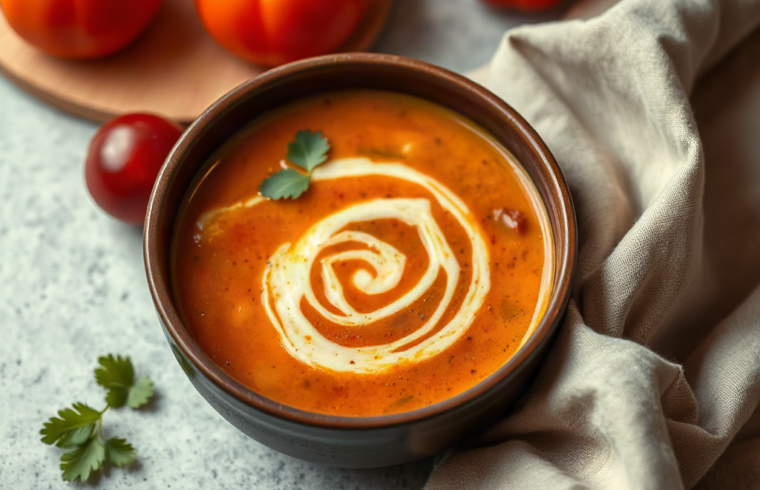
Protein and fiber deserve first priority because they make a soup more substantial without depending on excessive richness. Chicken-and-vegetable soup becomes a fuller meal when it contains a visible amount of chicken and barley. Tomato soup gains staying power when paired with white beans, red lentils, or a protein-rich side rather than being treated as complete on its own.
Legumes are especially efficient in soup because they thicken broth, tolerate reheating, and contribute texture. Red lentils dissolve into a smooth base, while chickpeas, black beans, and cannellini beans remain distinct. People who are not accustomed to legumes may prefer to increase them gradually, since a sudden large serving can cause digestive discomfort. Rinsing canned beans and cooking dried legumes thoroughly may improve tolerance for some people.
Vegetable choice influences texture as much as nutrition. Cabbage, zucchini, spinach, cauliflower, green beans, mushrooms, and tomatoes add volume, but a soup made only from watery vegetables may not remain satisfying. Combining them with denser ingredients such as beans, peas, winter squash, potatoes, or whole grains usually creates a more durable meal. The goal is not to identify a single “fat-burning” vegetable; no soup ingredient should be expected to cause weight loss independently.
A small amount of fat can improve flavor and make a lean soup feel less austere. Olive oil used to soften onions, tahini whisked into a lemony chickpea soup, or avocado added to black bean soup may be enough. More is not necessarily better: cream, coconut milk, cheese, pesto, and oil are easy to add in quantities that substantially change the meal. Measure rich ingredients at least once so the finished result matches the intended balance.
Processed additions require similar judgment. Sausage, bacon, cured meats, instant noodles, seasoning packets, and large quantities of bouillon can contribute intense flavor, but they may also make sodium and portion control harder to manage. A smaller amount used as seasoning is different from making cured meat the primary protein. Herbs, toasted spices, tomato paste, mushrooms, lemon juice, and vinegar can build complexity without asking salt to do all the work.
Signs that the ingredient mix is working include comfortable fullness, steady satisfaction until the next planned meal, and no need to compensate with snacks soon afterward. Repeated early hunger suggests that the bowl needs more protein or substance. Feeling deprived despite a large volume often means the recipe was designed around restriction rather than meal quality.
Portions, Sodium, and Common Mistakes
Soup portions vary too much for a universal bowl size to be meaningful. A cup of clear vegetable broth is not nutritionally equivalent to a cup of thick chili, seafood chowder, or lentil stew. Serve an amount appropriate to the recipe’s density, then assess hunger before automatically returning for another bowl.
Packaged and restaurant soups deserve label or menu scrutiny because sodium, serving size, and richness can be difficult to estimate by appearance. A container that looks like one meal may list more than one serving. Compare products on the same serving basis, and examine protein and fiber alongside sodium rather than selecting solely by the lowest calorie number. A slightly more substantial soup may prevent the need for an additional snack.
At home, sodium can accumulate from several sources: stock, bouillon, canned tomatoes, canned beans, cheese, cured meat, soy sauce, and added salt. Taste near the end of cooking, especially after the liquid has reduced. Low-sodium stock, rinsed beans, acid, fresh herbs, garlic, ginger, smoked paprika, and chile can make the flavor more vivid. People who have been given individualized sodium guidance for a medical condition should follow their clinician’s plan rather than a general recipe rule.
Support Your Weight Loss Goals Huge Discount on the Best Certified Organic Nutrient Dense Supplement!
Another mistake is assuming “homemade” always means light or balanced. A homemade bisque can contain generous cream and butter, while a carefully selected canned bean soup may offer a workable combination of protein, fiber, and convenience. Judge the complete bowl, not the marketing label or cooking location.
Blended soups also require context. Pureeing vegetables does not erase their nutrients, but it changes texture and reduces chewing. A pureed squash soup made mostly from squash and stock may need tofu, white beans, yogurt, chicken, or a suitable side to become a meal. Conversely, adding cream simply to make it thicker can increase richness without correcting a protein shortfall.
Track practical warning signs rather than pursuing perfection. A recipe is failing if it repeatedly leads to rebound snacking, causes discomfort because of an abrupt fiber increase, depends on oversized amounts of cream or oil for satisfaction, or leaves sodium-sensitive diners unusually thirsty. Adjust one variable at a time: increase protein, add a modest whole-food carbohydrate, reduce concentrated fat, or use a smaller serving with a balanced side.
How Should Soup Fit Into a Weight-Loss Routine?
Soup works best as a repeatable meal option, not a temporary all-soup program. Restrictive soup plans may exclude foods and nutrients that are easier to obtain through varied meals, and their simplicity can become monotonous. Sustainable use is more flexible: prepare a pot for several lunches, freeze individual portions, or use soup to turn leftover vegetables and protein into a structured dinner.
Placement depends on the recipe. A light vegetable soup can be a starter before a meal, while turkey chili, lentil stew, or chicken-barley soup can serve as the main course. Confusing those roles creates problems. A starter-sized broth is unlikely to replace a full lunch, and a cream-heavy chowder consumed before a large entrée may add more food than intended.
Consider the rest of the plate when the soup is incomplete. Tomato soup could be paired with a whole-grain sandwich containing tuna, chicken, tofu, or hummus. Vegetable broth with noodles might need edamame or egg and extra vegetables. A dense bean chili may need only a salad or fruit. Pairings should fill a nutritional gap rather than follow a fixed rule.
Batch cooking improves convenience but requires sensible handling. Cool leftovers promptly, refrigerate or freeze them in suitable containers, and reheat until thoroughly hot. Add delicate greens, fresh herbs, yogurt, or crisp toppings near serving time so repeated reheating does not flatten every texture. Freeze pasta or rice separately when possible if it tends to absorb broth and become overly soft.
Progress should be judged over time through appetite, consistency, meal quality, and broader weight trends—not by the scale after one salty meal. Sodium and carbohydrate intake can affect short-term water weight, so a temporary change does not establish that a soup caused fat gain or loss. If weight changes are unexplained, rapid, or accompanied by illness, seek medical evaluation rather than attempting to correct them with a restrictive soup plan.
The strongest routine is simple enough to repeat: keep two or three recipes that provide reliable protein and vegetables, portion them according to their density, and adjust sides based on hunger. If the strategy causes persistent fatigue, intense hunger, food preoccupation, or frequent overeating, it is too restrictive and should be revised with help from a registered dietitian or another qualified healthcare professional when appropriate.
Conclusion
A useful soup routine begins with the composition of the bowl, not a promise attached to the recipe. Make protein visible, use vegetables generously, include beans, whole grains, or potatoes when they improve staying power, and treat concentrated fats as deliberate additions. Match the serving to the soup’s density rather than assuming every large bowl is light.
Check packaged products for serving size and sodium, and improve homemade batches with herbs, spices, acidity, and varied textures. Then evaluate the result through real appetite: a suitable meal should provide comfortable satisfaction without triggering predictable grazing or leaving you overfull. Keep recipes that work, revise those that do not, and avoid using soup as a substitute for dietary variety or individualized medical nutrition advice.
Frequently Asked Questions
Is soup every day suitable for weight loss?
It can be, provided the overall diet remains varied and the soup contains enough protein, fiber, and energy. Daily clear broth or a highly restrictive soup menu is less likely to meet nutritional needs.
Is blended soup less filling than chunky soup?
It may be less satisfying for some people because it requires less chewing, but ingredients matter more than texture alone. Pureed bean or lentil soup can be more substantial than a chunky broth with few solids.
Are canned soups useful for weight management?
Yes, when the label shows a useful amount of protein and fiber and a sodium level that fits your needs. Check servings per container, then add vegetables or protein if the soup is too light.
What can replace cream in a thick soup?
Pureed white beans, red lentils, potatoes, cauliflower, plain yogurt, or a partial blend of the soup can add body. The best choice depends on the recipe and whether more protein is also needed.
Why am I hungry soon after eating vegetable soup?
The bowl may contain plenty of water but too little protein, fiber-rich starch, fat, or total food. Add beans, lentils, chicken, tofu, barley, potato, or an appropriate balanced side.