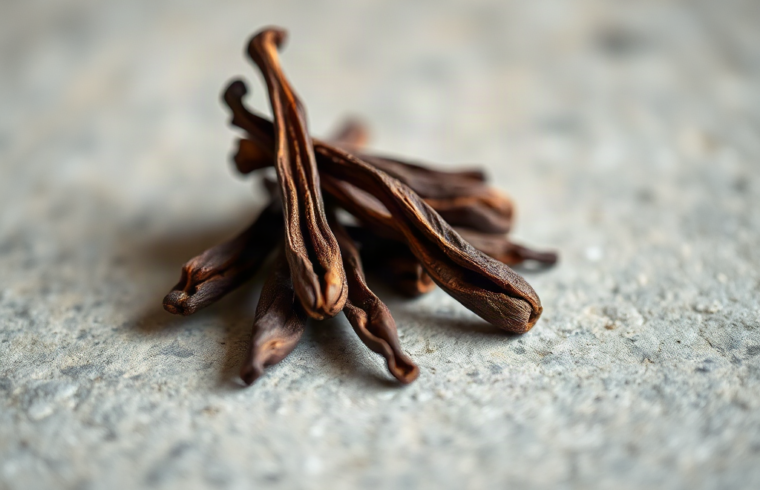
Cloves are not a proven weight-loss treatment, because evidence for meaningful fat loss in humans is lacking despite laboratory interest in eugenol, blood-sugar regulation, and digestive effects. Using a small culinary amount may make lower-calorie foods or unsweetened drinks more appealing, but it cannot replace a sustained calorie deficit, adequate protein, fiber-rich meals, sleep, and physical activity. Clove oil and concentrated supplements create greater risks than ground spice, including irritation, medication interactions, low blood sugar, bleeding concerns, and toxicity at excessive doses. Anyone taking diabetes medicine, anticoagulants, or preparing for surgery should discuss concentrated clove products with a clinician.
Can Cloves Actually Cause Weight Loss?
Research does not currently establish cloves as an effective way to reduce body weight or body fat in people. Cloves come from the dried flower buds of Syzygium aromaticum and contain aromatic plant compounds, most notably eugenol. Those compounds have generated laboratory and animal research involving inflammation, glucose metabolism, digestion, and fat cells, but such findings do not demonstrate that eating cloves produces clinically meaningful weight loss in humans.
The distinction between a biological effect and a useful weight-loss outcome matters. A compound may change an enzyme, cell pathway, or measurement under experimental conditions without reducing appetite, calorie intake, waist circumference, or body fat in everyday life. Animal experiments may also use extracts or doses that bear little resemblance to a pinch of ground cloves in oatmeal. Human digestion, dosing, diet, medication use, and long-term adherence introduce constraints that laboratory models cannot reproduce.
Claims that cloves “burn fat” often extend preliminary findings beyond what they can support. Fat loss occurs when energy expenditure exceeds energy intake over time. No spice overrides that relationship, and adding cloves to an otherwise unchanged diet should not be expected to move the scale. A sweetened clove latte, for example, could supply substantially more energy than the spice could plausibly offset. The relevant question is therefore not whether cloves contain active compounds, but whether their use changes a person’s eating pattern in a helpful and sustainable way.
Scale changes after drinking clove tea are not proof of fat loss. Short-term weight can shift with hydration, sodium intake, bowel contents, carbohydrate intake, and menstrual-cycle changes. A drink that replaces a sugary beverage may reduce calorie intake, but that benefit comes from the substitution rather than a special fat-burning action. Results should be evaluated across several weeks using consistent weigh-in conditions, waist measurements, hunger levels, and adherence—not a single reading the next morning.
A reasonable evidence-based position is to treat cloves as a flavoring ingredient. They may have a supporting role when their strong aroma makes nutritious food more enjoyable or helps someone reduce added sugar. They should not be treated as a therapy, appetite suppressant, or substitute for an eating plan that can create a modest, repeatable energy deficit.
What Benefits Might Cloves Offer—and What Are the Limits?
Cloves may contribute indirectly to weight management by adding intense flavor with little energy when used in normal culinary quantities. Their warm, slightly sweet character works well with apples, pears, pumpkin, carrots, oatmeal, lentils, tea, and savory spice blends. This can be useful for someone reducing syrup, sugar, rich sauces, or heavily sweetened drinks, provided the resulting food is still satisfying.
Eugenol and other clove constituents have antioxidant and antimicrobial properties under certain experimental conditions. Researchers have also investigated possible effects on glucose handling and inflammation. These lines of inquiry help explain why cloves attract attention, but they do not establish a practical dose for weight loss or show that a supplement improves long-term outcomes. A concentrated extract can behave differently from the whole spice, and greater concentration can increase risk without producing a greater benefit.
Cloves are sometimes promoted for appetite control or improved digestion. The aroma may make a beverage feel more satisfying, while a warm drink can create a pause between meals. Neither effect should be mistaken for reliable appetite suppression. If clove tea leaves someone hungry and they compensate later with larger portions, it has not created a useful dietary change. Persistent nausea, burning, abdominal discomfort, or diarrhea is a sign to stop rather than evidence that the drink is “detoxifying” the body.
Compare two breakfasts. Plain oats topped with fruit, ground cloves, cinnamon, and Greek yogurt provide fiber, protein, and strong flavor. A pastry marketed as clove-spiced may contain the same spice but far less protein and substantially more refined flour, fat, and added sugar. The first meal is more likely to support fullness because of its overall composition, not because cloves transform metabolism. Food context remains more important than the presence of a single ingredient.
Readers should also separate whole-food use from supplement marketing. Ground cloves disclose what the ingredient is and make modest portions easy. Capsules, tinctures, and essential oils may vary in concentration and intended use. Labels such as “natural” or “metabolism support” do not prove effectiveness, purity, or suitability for a person’s medications. The most defensible benefit is culinary: cloves can broaden flavor while someone builds meals around vegetables, fruit, legumes, whole grains, and protein-rich foods.
How Can Cloves Fit Into a Weight-Loss Diet?
The safest practical approach is to use cloves as seasoning rather than as a daily high-dose intervention. Ground cloves are potent, so a small pinch may be enough for a serving of oatmeal, yogurt, stewed fruit, or a savory dish. Whole cloves can flavor a pot of soup, rice, or unsweetened tea and should be removed before serving because their hard texture can be unpleasant to bite.
A useful application starts with a substitution. Add ground cloves and chopped apple to plain oatmeal instead of using a heavily sweetened instant packet. Steep a whole clove with black tea, ginger, or orange peel instead of purchasing a syrup-sweetened seasonal drink. Season roasted carrots or squash with cloves, cumin, and black pepper rather than relying on a sugary glaze. These changes may reduce calories or added sugar while preserving flavor, but portions and the rest of the meal still count.
Use the following checklist to judge whether the habit is helping:
- Check the replacement: Identify the higher-calorie ingredient or drink that cloves are replacing.
- Keep the form culinary: Choose food-level amounts of whole or ground spice rather than swallowing essential oil.
- Build a complete meal: Pair the flavored food with protein and fiber instead of relying on spice tea as a meal.
- Watch tolerance: Stop or reduce use if mouth irritation, heartburn, nausea, or other symptoms appear.
- Measure the real outcome: Track overall intake, hunger, and gradual weight trends rather than expecting an immediate drop.
Clove water and clove tea deserve realistic expectations. An unsweetened infusion can be a low-calorie beverage, but soaking or boiling cloves does not create a proven weight-loss drug. Honey, sugar, condensed milk, and flavored creamers can change the calorie profile quickly. Drinking several strong cups to accelerate results is a common failure mode: it raises exposure while doing little to address portions, snacking, or low-satiety meals.
Support Your Weight Loss Goals Huge Discount on the Best Certified Organic Nutrient Dense Supplement!
A sign the approach is working is behavioral rather than medicinal. The clove-flavored option consistently replaces a more calorie-dense choice, remains enjoyable, and causes no adverse effects. A sign it is failing is escalating the quantity because body weight has not changed, skipping balanced meals in favor of tea, or purchasing increasingly concentrated products. If progress stalls, review total portions, drinks, weekend eating, protein and fiber intake, activity, sleep, and medications that may affect weight before blaming the amount of spice.
Who Should Be Careful With Cloves?
Culinary cloves and concentrated clove products should not be treated as equivalent. Ordinary seasoning exposes a person to far less eugenol than essential oil or some extracts. Clove oil is highly concentrated and can irritate the mouth, skin, and digestive tract; swallowing it can be dangerous, particularly for children. Essential oils should never be added freely to weight-loss drinks or taken by mouth simply because a product is plant-derived.
People using anticoagulant or antiplatelet medicines need particular caution because eugenol may affect clotting. Concentrated products may also complicate blood-sugar management when combined with insulin or glucose-lowering medication. Someone preparing for surgery or a dental procedure should disclose supplements and essential-oil use to the relevant clinician. The appropriate decision depends on the product, dose, medical history, and medication list, so a spice capsule should not be assumed safe based on culinary use.
Pregnant or breastfeeding people should generally avoid using medicinal quantities without professional advice because safety information for concentrated supplementation is limited. People with liver disease, bleeding disorders, diabetes, spice allergies, or recurring mouth and stomach irritation also warrant individualized guidance. A clinician or pharmacist can assess interaction risks more reliably when shown the exact label, including the amount per serving and all combined ingredients.
Product format offers a practical risk hierarchy. A pinch of ground cloves in food is easier to control than a strong homemade concentrate. A standardized supplement creates greater exposure and interaction uncertainty, while essential oil presents the greatest concern if swallowed. “More concentrated” is not the same as “more effective.” It often means less room for dosing error.
Stop using the product and seek appropriate medical advice if it causes persistent vomiting, severe abdominal pain, unusual bleeding or bruising, marked dizziness, confusion, breathing difficulty, or swelling. Possible poisoning—especially involving a child or swallowed essential oil—requires prompt contact with emergency services or a poison-control resource. For routine use, keep clove oil out of children’s reach, follow the labeled route of use, and avoid applying undiluted oil to the mouth or skin.
The simplest decision rule is to keep cloves in the kitchen unless a qualified professional has reviewed a concentrated product for a specific purpose. People without interaction concerns can experiment with modest seasoning amounts and assess taste and tolerance. Those seeking substantial weight loss, managing chronic disease, or taking multiple medications will gain more from a personalized nutrition and medical review than from increasing clove exposure.
Frequently Asked Questions
How much clove should I take for weight loss?
No evidence-based clove dose has been established for weight loss. Use modest culinary amounts for flavor, and do not increase the dose or swallow clove oil in an attempt to accelerate results.
Can I drink clove water every day?
An occasional mild, unsweetened infusion may suit some adults, but daily medicinal use has no proven weight-loss advantage. Check with a clinician if you take blood thinners or diabetes medicine, are pregnant, or have liver or bleeding concerns.
Does clove tea burn belly fat?
Clove tea has not been shown to target abdominal fat. It may reduce calorie intake only when it replaces a higher-calorie beverage without causing compensatory eating later.
Are clove capsules better than ground cloves?
Not for weight loss. Capsules provide a more concentrated exposure but lack convincing evidence of better outcomes and may increase side effects or medication-interaction concerns.
Can cloves lower blood sugar?
Clove compounds have been studied for possible metabolic effects, but cloves should not replace diabetes treatment. Concentrated products could complicate glucose control when combined with medication, so professional guidance is appropriate.
Conclusion
Cloves are most useful as a strong seasoning that can make less-sweet foods and drinks more appealing. The available evidence does not justify treating ground cloves, tea, capsules, or oil as a fat-loss remedy. Judge their value by whether they improve the broader meal: fruit and oats instead of a pastry, an unsweetened infusion instead of a sugary drink, or a flavorful vegetable dish instead of a rich sauce.
Keep exposure modest, avoid swallowing essential oil, and do not respond to slow progress by increasing concentration. Medication use, diabetes, bleeding risk, liver disease, pregnancy, breastfeeding, and upcoming procedures are reasons to discuss supplements with a clinician or pharmacist. For measurable progress, prioritize a sustainable calorie deficit, protein and fiber at meals, regular activity, adequate sleep, and consistent tracking. Cloves can flavor that plan, but they cannot create it.