Post-pregnancy meals for healthy weight loss and recovery should provide regular nourishment rather than create an aggressive calorie deficit. Build meals around protein, fiber-rich carbohydrates, vegetables or fruit, and unsaturated fats while paying attention to iron, calcium, iodine, vitamin B12, and fluids. Breastfeeding, sleep disruption, surgical recovery, appetite changes, and access to prepared food can all affect how much and how often a new parent needs to eat. A practical approach is to use repeatable meals, monitor energy and milk supply if nursing, and seek individualized care when fatigue, dizziness, pain, or persistent feeding concerns occur.
Which Nutrients Matter Most After Pregnancy?
Recovery changes the priorities of a weight-loss meal. Pregnancy and birth may leave increased needs related to tissue repair, blood loss, lactation, and disrupted sleep, so a plate chosen only for its low calorie count can be a poor fit. Protein, iron-rich foods, fiber, calcium-containing foods, and adequate fluids deserve more attention than diet-branded products.
Protein supplies amino acids used throughout the body and tends to make a meal more satisfying. Useful options include eggs, fish, poultry, lean meat, Greek yogurt, cottage cheese, tofu, tempeh, beans, and lentils. Rather than saving most protein for dinner, include a meaningful source at breakfast and lunch. Oatmeal with only fruit, for example, may be less sustaining than oatmeal paired with milk or yogurt, nuts, and seeds.
Iron deserves consideration after blood loss or during treatment for diagnosed iron deficiency. Meat, poultry, seafood, beans, lentils, tofu, and fortified cereals can contribute iron, while vitamin C-rich foods such as citrus, berries, tomatoes, and peppers complement plant-based sources. Food is not a substitute for prescribed iron or clinical follow-up. Persistent weakness, dizziness, shortness of breath, palpitations, or unusual exhaustion should be discussed with a healthcare professional rather than attributed automatically to new-parent fatigue.
Calcium, iodine, choline, vitamin B12, and omega-3 fats may also require attention, especially when breastfeeding or excluding food groups. Dairy foods and fortified alternatives can supply calcium, but plant beverages differ considerably in protein and fortification. Eggs provide choline; seafood can provide iodine and omega-3 fats; B12 is found naturally in animal foods and in some fortified products. People following vegan diets should obtain professional advice about reliable B12 and other nutrient sources.
A common mistake is treating vegetables as the entire meal while leaving out protein, starch, or fat. A large salad may look weight-loss friendly but can lead to intense hunger if it contains little beyond greens. Adding chicken or chickpeas, a whole grain, and an olive-oil dressing turns it into a more complete meal. The practical priority is nutrient density with enough food to preserve daily function, not the smallest plate possible.
How Do You Build a Balanced Post-Pregnancy Meal?
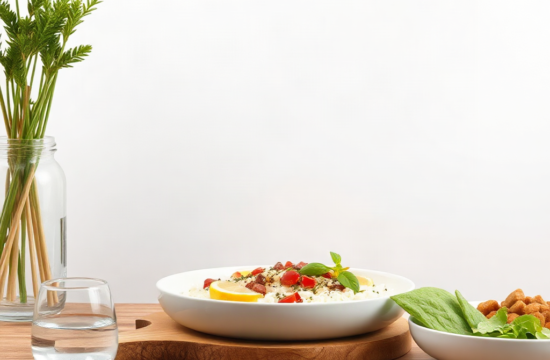
A useful post-pregnancy plate combines four elements: a protein food, a fiber-rich carbohydrate, produce, and a source of unsaturated fat. This structure is flexible enough for different cuisines and budgets, and it reduces the need to count every calorie. Portions still matter, but appetite, body size, activity, breastfeeding, and recovery make one fixed portion rule unreliable.
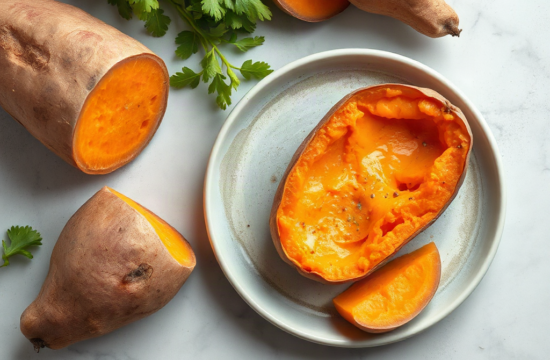
Start with the protein because it is often the part most likely to be missing when meals are assembled quickly. Add a carbohydrate such as oats, potatoes, brown rice, quinoa, corn tortillas, beans, or whole-grain bread. Carbohydrates are not inherently incompatible with fat loss; they provide accessible energy and often carry fiber and micronutrients. The more useful distinction is between a balanced portion and an oversized serving that displaces protein and produce.
Next, add vegetables or fruit in a form that is genuinely convenient. Frozen broccoli, canned tomatoes, bagged slaw, baby carrots, unsweetened frozen berries, and canned fruit packed in juice can reduce preparation work. Fresh produce is not nutritionally meaningful if it repeatedly spoils before being eaten. Finish with foods such as avocado, nuts, seeds, tahini, or olive oil, using enough for flavor and satisfaction while recognizing that fats are energy dense.
| Meal Element | Convenient Choices | What It Contributes |
|---|---|---|
| Protein | Eggs, yogurt, beans, tofu, chicken, fish | Satiety and amino acids for body tissues |
| Fiber-rich carbohydrate | Oats, potatoes, lentils, brown rice, whole-grain bread | Energy, fiber, and meal substance |
| Produce | Frozen vegetables, berries, peppers, leafy greens | Fiber, vitamins, minerals, and volume |
| Unsaturated fat | Nuts, seeds, avocado, olive oil | Flavor, essential fats, and staying power |
Compare two quick lunches: crackers and cheese alone versus whole-grain crackers, cottage cheese, sliced tomato, and fruit. Both are easy, but the second has more produce, fiber, and volume. A bowl of rice can similarly become a complete meal when topped with salmon or tofu, edamame, frozen vegetables, and sesame seeds.
The plate method can fail when it becomes another rigid rule. Some days a soup, sandwich, smoothie, or snack plate is more realistic than a composed dinner. Judge the whole meal by its components rather than its appearance. If hunger returns within an hour or two, check whether protein, fiber, or total food was too low before assuming that willpower is the problem.
Practical Meals for Demanding Post-Pregnancy Days
Repeatable meals are often more useful than an ambitious weekly menu during early parenthood. Feeding schedules, appointments, limited sleep, and unpredictable recovery can make elaborate cooking plans collapse. A small set of meals assembled from overlapping ingredients reduces decisions while still allowing enough variety to cover different nutrients.
Breakfast could be Greek yogurt with oats, berries, walnuts, and ground flaxseed. A warm alternative is scrambled eggs with whole-grain toast and fruit. For someone avoiding dairy and eggs, tofu scramble with toast and fortified soy milk can provide a more substantial start than fruit alone. If nausea, low appetite, or interrupted mornings make a full breakfast difficult, divide it into two smaller eating occasions.
For lunch, combine lentil soup with whole-grain bread and a piece of fruit, or fill a tortilla with chicken or black beans, bagged slaw, avocado, and salsa. Dinner can be sheet-pan salmon, potatoes, and frozen green beans; a tofu and vegetable stir-fry with brown rice; or pasta with turkey, lentil, or bean-based tomato sauce and a side salad. These are templates rather than mandatory recipes, and canned or frozen ingredients are reasonable shortcuts.
Snacks work best when they solve a specific problem, such as a long gap between meals or increased breastfeeding hunger. Pairing food groups usually lasts longer than eating a refined carbohydrate alone. Examples include an apple with peanut butter, yogurt with berries, hummus with vegetables and pita, or cheese with whole-grain crackers. A snack does not need to be avoided simply because weight loss is a goal; unplanned grazing and planned nourishment are not the same behavior.
Support Your Weight Loss Goals Huge Discount on the Best Certified Organic Nutrient Dense Supplement!
A compact preparation routine can make these choices easier:
- Prepare one protein: cook chicken, tofu, eggs, lentils, or beans for several meals.
- Choose one versatile carbohydrate: make rice, potatoes, oats, or quinoa, or keep whole-grain bread available.
- Reduce produce work: buy washed greens, frozen vegetables, and fruit that requires little cutting.
- Set aside emergency meals: freeze individual portions or keep low-effort soup, beans, fish, and whole grains in the pantry.
The common failure mode is preparing an idealized menu that assumes uninterrupted cooking time. Plan for the hardest day, not the easiest one. If takeaway is necessary, use the same meal logic: choose a protein-centered dish, include vegetables when available, and order a portion that can be saved rather than treating restaurant food as a dietary setback.
How Should Meals Change With Breastfeeding, Hunger, and Progress?
Breastfeeding and postpartum recovery can change energy, fluid, and nutrient needs, so intake should be adjusted according to function as well as the scale. A parent who is nursing, healing from surgery, or waking repeatedly may need more food than a standard weight-loss menu provides. Aggressive restriction is especially difficult to justify when it produces persistent hunger, low energy, irritability, or concerns about milk production.
Breastfeeding does not guarantee weight loss. Appetite may increase, activity may be temporarily limited, and bodies vary in how they respond after pregnancy. Instead of assuming that nursing will create an effortless calorie deficit, use regular meals and add a balanced snack when hunger is genuine. Keep water accessible, particularly near the usual feeding location, but do not force excessive fluids in the belief that more is automatically better.
Progress should be assessed across several signals. Gradual changes in body weight or waist measurement may be useful, but so are steady energy, manageable hunger, regular bowel habits, and the ability to complete daily activities. If weight is not changing after a consistent period, first inspect extras that are easy to overlook: frequent sweet drinks, large amounts of cooking oil, oversized snack portions, or eating directly from packages. A modest portion adjustment is usually more workable than removing an entire food group.
Sleep loss complicates appetite management because exhaustion can increase the appeal of convenient, highly palatable food and reduce the capacity to cook. The response is not stricter rules; it is making the easier option more complete. A microwave grain pouch, rotisserie chicken, and frozen vegetables may serve the goal better than skipping dinner and becoming ravenous later. When household support is available, ask for specific help such as washing produce, preparing a protein, or portioning freezer meals.
Signs that the approach may be too restrictive include persistent preoccupation with food, worsening fatigue, dizziness, repeated binge-like eating, declining exercise tolerance, or anxiety around normal meals. Pain, heavy bleeding, wound concerns, low mood, or feeding difficulties require appropriate clinical support rather than dietary troubleshooting alone. Anyone with diabetes, kidney disease, gastrointestinal illness, a history of an eating disorder, or complications from pregnancy should seek individualized guidance before intentionally restricting intake.
The strongest adjustment is usually the smallest one that produces a sustainable trend without compromising recovery. Add structure before subtracting food: eat seated meals, place portions on a plate, include protein early in the day, and keep reliable snacks ready. If those steps are consistent and recovery is progressing, portions can be reviewed gradually with a registered dietitian or other qualified clinician when needed.
Frequently Asked Questions
When is it appropriate to begin intentional weight loss after pregnancy?
Recovery timelines vary with the birth, complications, feeding method, and medical history. Prioritize healing and adequate nourishment, and ask your maternity clinician when intentional calorie reduction is appropriate for your circumstances.
Can I eat carbohydrates while trying to lose post-pregnancy weight?
Yes. Oats, beans, potatoes, fruit, and whole grains provide energy and fiber. Pair them with protein and produce, and adjust portions based on hunger, activity, breastfeeding, and progress rather than eliminating the entire food group.
What is a good post-pregnancy breakfast for busy mornings?
Try Greek yogurt with oats, berries, and nuts, or eggs with whole-grain toast and fruit. Both combine protein, carbohydrate, fiber, and fat and can be prepared with little active cooking.
Do I need special weight-loss foods after pregnancy?
No. Ordinary foods such as eggs, beans, yogurt, fish, tofu, oats, potatoes, frozen vegetables, and fruit can form balanced meals. Diet products are optional and may be less satisfying or more expensive.
What should I do if breastfeeding makes me constantly hungry?
Increase meal substance before relying on willpower. Add protein, a fiber-rich carbohydrate, or a planned snack, and monitor energy and feeding concerns. Discuss persistent milk-supply worries or intense hunger with a qualified healthcare professional.
Conclusion
Post-pregnancy eating works best when recovery needs shape the plan rather than being treated as obstacles to faster results. Build most meals from a clear protein source, a satisfying carbohydrate, produce, and an unsaturated fat, using frozen, canned, precooked, and batch-prepared foods whenever they make consistency easier. Review hunger, energy, digestion, breastfeeding demands, and daily function alongside any change on the scale.
Choose one practical improvement first: strengthen breakfast with protein, prepare two emergency meals, replace unplanned grazing with a balanced snack, or moderate an oversized portion without removing the food entirely. Reassess after a consistent period instead of making daily changes. If restriction worsens fatigue, feeding concerns, mood, or eating behavior—or if recovery symptoms persist—pause the weight-loss effort and obtain individualized medical or nutrition support.