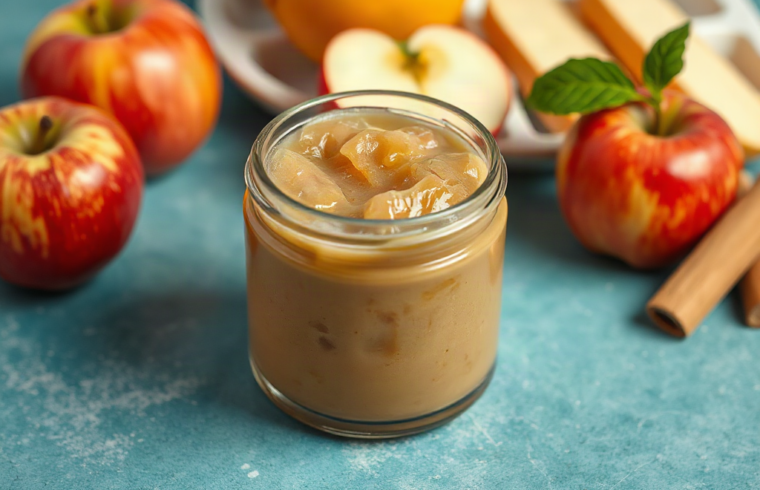
Unsweetened applesauce can fit a weight-loss diet when its portion, meal context, and ingredient list are chosen carefully. It offers fruit flavor with no added sugar, but pureeing reduces the chewing and texture that often make a whole apple more satisfying. A practical serving is about 1/2 cup, paired with protein or fat from foods such as plain Greek yogurt, cottage cheese, nuts, or chia seeds. Treat it as a fruit serving or ingredient rather than an unlimited low-calorie snack.
Does Unsweetened Applesauce Help With Weight Loss?
Unsweetened applesauce may help create a lower-energy meal or snack, but it does not cause fat loss by itself. Its main advantages are convenience, natural sweetness, and the ability to replace more calorie-dense ingredients in selected recipes. Weight change still reflects the broader eating pattern, including total intake, meal composition, activity, sleep, and individual health factors.
The word unsweetened matters. Apples naturally contain sugar, so an unsweetened product is not sugar-free; it simply should not contain added sugar or syrup. That distinction makes it easier to use applesauce as fruit rather than as a sweetened dessert. Ingredient lists vary, and a front label using words such as “natural” does not confirm that a product lacks added sweeteners.
Applesauce contains water and some fiber, both of which contribute volume. Its smooth texture, however, requires little chewing and makes it easy to eat quickly. A bowl may therefore feel less substantial than its appearance suggests. Someone who eats applesauce alone at 10 a.m. and feels hungry again before lunch has not failed at dieting; the snack likely lacked enough protein, fat, texture, or total food volume to match that person’s appetite.
Its strongest role is often as a substitution. Applesauce can replace part of the oil or butter in certain muffins, quick breads, and pancakes, although the result may be softer and less rich. It can also add sweetness to oatmeal without brown sugar or flavored syrup. These swaps may lower the energy density of a dish, but they do not automatically make unlimited servings appropriate. A large homemade muffin remains a substantial food even when some fat has been replaced.
A useful test is to examine what the applesauce displaces. Replacing a sweetened fruit cup, frosting-like oatmeal topping, or oversized serving of baking fat may support a calorie deficit. Adding applesauce on top of an already complete meal without reducing anything else may simply add food. The practical benefit comes from purposeful use, not from a special property of pureed apples.
How Much Applesauce Should You Eat?
A measured 1/2-cup serving is a practical starting point for most snack and meal applications. The appropriate amount can be smaller or larger depending on the rest of the meal, hunger level, dietary needs, and the product’s nutrition label. Individual cups are convenient, but their sizes differ, so one container should not automatically be treated as one standard portion.
Portion awareness is especially useful because applesauce can be swallowed faster than whole fruit. Eating directly from a large jar makes it difficult to judge quantity, while placing it in a small bowl creates a visible serving. Measuring is not meant to turn fruit into a forbidden food. It clarifies whether applesauce is functioning as a topping, a fruit component, or the bulk of a snack.
| Use | Practical Starting Amount | What to Add or Check |
|---|---|---|
| Oatmeal topping | 1/4 to 1/2 cup | Include a protein source and avoid duplicating sweet toppings |
| Snack | About 1/2 cup | Pair with yogurt, cottage cheese, or a measured amount of nuts |
| Baking substitute | Recipe-dependent | Replace only the amount the tested recipe recommends |
| Side with a meal | About 1/2 cup | Count it as the fruit component rather than an extra dessert |
The best amount is the smallest serving that satisfies its intended purpose without leaving the meal unbalanced. For example, 1/2 cup of applesauce beside eggs and whole-grain toast plays a different role from 1/2 cup eaten alone. In the first meal, the eggs supply protein and the toast adds chew and starch. In the second situation, the applesauce may digest quickly and provide limited staying power.
Signs that the portion and pairing are working include comfortable fullness, no strong urge to keep grazing, and an eating pattern that remains manageable later in the day. Repeated hunger shortly after eating, drinking applesauce pouches without noticing quantity, or using several servings because the product seems “healthy” suggests that the approach needs adjustment. Try switching to a whole apple, adding a substantial protein source, or reserving applesauce for a meal rather than eating it alone.
People who monitor carbohydrate intake or blood glucose for a medical reason should use the label’s serving size and carbohydrate information rather than relying on the unsweetened claim. A registered dietitian or qualified clinician can provide individualized guidance when medication, diabetes, digestive conditions, or therapeutic diets affect fruit choices.
7 Filling Applesauce Pairings
Applesauce becomes a more complete snack when it is combined with foods that add protein, fat, intact grains, or chewable texture. The goal is not to make every snack large. It is to avoid relying on a smooth carbohydrate food to manage substantial hunger on its own.
- Plain Greek yogurt: Swirl a few spoonfuls of applesauce into unsweetened yogurt and add cinnamon. The yogurt contributes protein, while applesauce supplies sweetness without requiring a flavored yogurt.
- Cottage cheese: Serve applesauce beside cottage cheese rather than fully blending it. Keeping the components distinct preserves more texture and makes the portion easier to see.
- Walnuts: Add a small, measured amount of chopped walnuts. Their fat and crunch make the snack more substantial, but pouring freely from the bag can turn a modest pairing into a calorie-dense serving.
- Chia seeds: Stir chia seeds into applesauce and allow the mixture to thicken. This adds texture and fiber, though it should be consumed with adequate fluids and introduced gradually if a sudden increase in fiber causes discomfort.
- Natural peanut butter: Pair a measured spoonful with applesauce for a sweet-and-savory snack. Peanut butter is nutritious but energy-dense, so the jar is a poor portioning tool.
- Oatmeal: Use applesauce to flavor plain oats, then include milk, yogurt, or another protein source. Replacing sugar is more useful than adding applesauce while keeping all the original sweeteners.
- Whole-grain crispbread: Spread cottage cheese or nut butter on crispbread and serve applesauce on the side. The contrast between crisp and smooth textures can feel more meal-like than a pouch consumed quickly.
The right pairing depends on why hunger is occurring. A light afternoon appetite may be satisfied by applesauce with yogurt. Someone who has skipped lunch will probably need a proper meal rather than a carefully assembled low-calorie snack. Trying to suppress strong hunger with the smallest possible portion can backfire if it leads to unplanned eating later.
Pairings can also fail by becoming overloaded. Applesauce, granola, nut butter, dried fruit, honey, and seeds may all sound wholesome, but together they form a dense bowl with multiple sweeteners and fats. Choose one meaningful protein source and, if desired, one measured source of fat or crunch. That keeps the snack purposeful and makes it easier to recognize which combination actually controls hunger.
Is Applesauce as Filling as a Whole Apple?
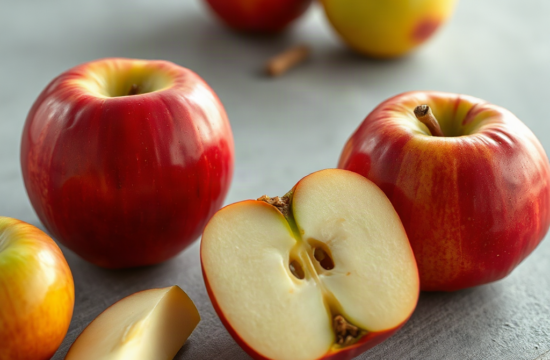
A whole apple is often the better choice when maximum fullness is the priority. Its intact structure requires biting and chewing, slows the eating process, and makes the portion physically obvious. Applesauce retains apple-derived nutrients, but processing changes the food’s texture and may reduce the eating time that contributes to satisfaction.
Texture is not a minor detail. Consider two desk snacks: one person opens an applesauce pouch and finishes it while reading email, while another cuts an apple into slices and eats them with a few walnuts. The second snack takes longer, contains more distinct bites, and is harder to consume without noticing. Those differences may matter when distracted eating is a recurring source of excess intake.
Support Your Weight Loss Goals Huge Discount on the Best Certified Organic Nutrient Dense Supplement!
Applesauce still has practical advantages. It is shelf-stable before opening when packaged appropriately, requires no cutting, and can be easier to eat for people with chewing difficulties. It also works in oatmeal, sauces, and baking in ways a whole apple may not. Choosing whole fruit at every opportunity is unnecessary if applesauce makes a balanced meal more convenient and prevents reliance on a more heavily sweetened alternative.
The comparison should also account for product form. Homemade applesauce may be chunky and include apple skin, while commercial varieties can be very smooth. Pouches encourage rapid consumption and provide fewer visual cues than a bowl and spoon. None of these formats is automatically bad, but they create different eating experiences. A person who repeatedly feels unsatisfied after a pouch could pour the same product into a bowl, add a protein-rich food, and eat without a screen before deciding that applesauce never works.
Use a whole apple when portability, chewing, and longer eating time are desirable. Choose applesauce when convenience, softer texture, or recipe function matters more. Alternating between the two can preserve variety without treating processed fruit and intact fruit as nutritionally or behaviorally identical.
How to Choose and Use Applesauce Without Common Mistakes
A suitable product usually has a short ingredient list centered on apples, with water, spices, or vitamin C appearing in some versions. Confirm the absence of added sugar by checking both the ingredients and the Nutrition Facts panel. Terms such as “no high-fructose corn syrup” do not rule out cane sugar, juice concentrate used as a sweetener, or other added sweetening ingredients.
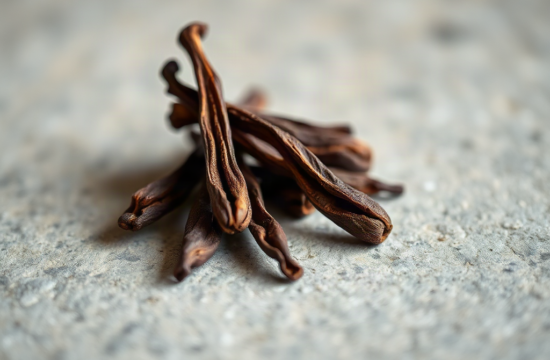
Flavor can be improved without turning applesauce into dessert. Cinnamon, nutmeg, ginger, or a small amount of vanilla can add interest. If plain applesauce tastes unsatisfying unless it is covered with honey, sweetened granola, and chocolate chips, a naturally sweeter whole fruit may be a more straightforward choice.
Use this compact check before making it a routine food:
- Read: Verify that apples are the main ingredient and added sweeteners are absent.
- Measure: Start with roughly 1/2 cup rather than eating from a family-size container.
- Pair: Add protein or a modest amount of fat when applesauce is the main snack.
- Replace: Identify the sweeter or more energy-dense ingredient it is displacing.
- Review: Notice hunger and grazing patterns during the next few hours.
A common mistake is interpreting “no added sugar” as permission to ignore quantity. Another is assuming that using applesauce in baking turns the finished food into a weight-loss food. Flour, chocolate, nuts, frosting, and serving size still shape the final result. Recipe substitutions can also affect moisture and structure, so replacing all the fat without a tested formula may produce a gummy loaf that is not enjoyable.
Progress is better judged by repeatable behavior than by whether applesauce appears on the menu. A useful pattern might be measured applesauce in oatmeal several mornings a week, with adequate protein and no additional syrup. A failing pattern might involve multiple pouches eaten while commuting, followed by persistent hunger and an unplanned pastry. Keep the food when it improves convenience and portion control; change the form, pairing, or timing when it does not.
Frequently Asked Questions
Can I eat unsweetened applesauce every day while losing weight?
It can be eaten regularly if it fits your overall intake and does not crowd out a wider variety of fruit. Measure the serving and monitor whether it keeps you satisfied.
Is applesauce good for a late-night snack?
It can work when hunger is mild, especially with plain yogurt or cottage cheese. Applesauce alone may be less satisfying if dinner was small or several hours earlier.
Does unsweetened applesauce contain sugar?
Yes. Apples contain naturally occurring sugar. “Unsweetened” generally means no sweetener was added, so check the ingredient list and nutrition label for confirmation.
Is homemade applesauce better than store-bought?
Homemade applesauce offers control over ingredients and texture, but an unsweetened store product can be equally practical. Portion size and added ingredients matter more than whether it is homemade.
Can applesauce replace oil in baking?
It can replace some oil in suitable recipes, but the amount is recipe-dependent. Too much may create a dense or gummy texture, so use a tested recipe rather than assuming a universal substitution ratio.
Conclusion
Unsweetened applesauce earns a place in a weight-loss eating pattern through convenience and thoughtful substitution, not through a unique fat-burning effect. Start with a visible, measured serving and decide what role it plays: fruit alongside a meal, sweetness for oatmeal, or a partial baking substitute. Pair it with Greek yogurt, cottage cheese, nuts, or another source of protein or fat when greater staying power is needed.
Check both the ingredient list and nutrition label rather than trusting package wording alone. If applesauce leaves you hungry, disappears quickly from a pouch, or becomes a base for several calorie-dense toppings, switch to a whole apple or revise the pairing. The useful choice is the one that improves satisfaction and consistency while fitting the rest of the day’s food.