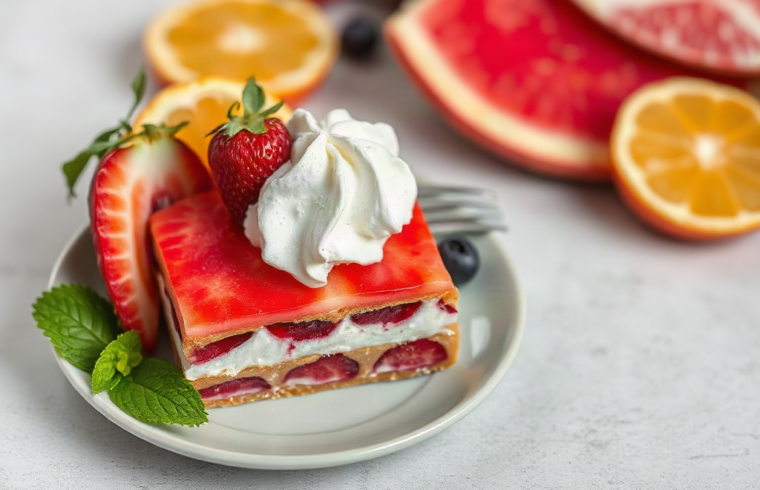
Healthy weight loss desserts using fruit work best when whole fruit supplies sweetness, fiber, water, and volume while added sugar, pastry, and oversized portions stay limited. Baked apples, yogurt-and-berry cups, frozen banana bites, and grilled peaches can satisfy a dessert craving without relying on heavily processed sweets. Pairing fruit with plain Greek yogurt, nuts, or chia seeds adds protein or fat that may make the serving more satisfying. Portion size still matters because dried fruit, juice, sweetened yogurt, and generous toppings can concentrate calories quickly.
What Makes a Fruit Dessert Weight-Loss Friendly?
A useful fruit dessert delivers enough sweetness and texture to feel like dessert without quietly becoming a large, calorie-dense meal. Whole berries, apples, pears, peaches, citrus, melon, and similar fruits bring water and fiber to the serving. Those features generally make whole fruit more filling per bite than candy, pastries, or fruit juice, although no individual food guarantees weight loss.
The preparation method matters as much as the fruit. A baked apple seasoned with cinnamon is quite different from an apple wrapped in pastry and covered with caramel. Both contain fruit, but the pastry version gets much of its energy from refined flour, butter, and added sugar. Likewise, strawberries remain a light base until they are paired with a large amount of sweetened cream, chocolate spread, or sugary granola.
Portion and eating context also shape the result. A modest fruit dessert eaten after a balanced dinner may close the meal comfortably. Repeatedly picking at frozen fruit bites, dates stuffed with nut butter, or handfuls of dried mango can make the total difficult to judge. Dried fruit is not inherently unsuitable, but removing water produces a smaller, more concentrated serving. Juice and smoothies can also be consumed quickly and may not provide the same eating experience as chewing intact fruit.
A practical test is to look at the complete bowl rather than the healthiest ingredient in it. Ask whether whole fruit is still the main component, whether the toppings are measured, and whether the portion fits the rest of the day. For a simple home dessert, start with roughly one ordinary serving of fruit, add flavor with spices or citrus, and use richer ingredients as accents.
Another useful check is satisfaction. If plain fruit leaves you searching the kitchen ten minutes later, forcing it to serve as dessert may backfire. A measured addition of yogurt, chopped nuts, or dark chocolate can make the dish more complete. The goal is not to make dessert as low-calorie as possible; it is to create a portion that is enjoyable, nutritionally useful, and compatible with a sustainable calorie deficit when weight loss is appropriate.
Nine Easy Fruit Dessert Ideas
The most dependable ideas use familiar fruit, short preparation, and toppings that can be portioned before eating. Choose ripe fruit whenever possible because it provides more natural sweetness and reduces the urge to add syrup or sugar.
- Baked cinnamon apple: Core an apple, sprinkle it with cinnamon, and bake until tender. Add a spoonful of plain yogurt after cooking rather than filling the center with butter and brown sugar.
- Berry yogurt cup: Layer berries with unsweetened Greek yogurt and vanilla extract. A teaspoon of chopped nuts supplies crunch without turning granola into the largest layer.
- Frozen banana coins: Slice and freeze a banana, then add a thin drizzle of melted dark chocolate. Freeze the pieces separately so the intended serving is visible.
- Grilled peach: Grill peach halves until softened and lightly browned. Cinnamon, ginger, or a small spoonful of ricotta can replace sugary glaze.
- Warm pear with walnuts: Microwave or bake pear slices with cardamom, then finish with a small amount of chopped walnut. The contrast between soft fruit and crisp nuts makes a modest serving feel substantial.
- Chia berry pudding: Combine chia seeds, milk, mashed berries, and vanilla, then refrigerate until thick. Check flavored milk carefully because sweetened varieties can add more sugar than expected.
- Citrus-mint bowl: Mix orange or grapefruit segments with mint and a little lime zest. People taking medications that interact with grapefruit should choose another citrus fruit and follow their clinician or pharmacist’s guidance.
- Cherry cocoa yogurt: Fold thawed unsweetened cherries and cocoa powder into plain yogurt. This creates a chocolate-fruit profile without requiring chocolate syrup.
- Melon freezer pops: Blend ripe melon with lime juice, pour it into molds, and freeze. Keep the edible fruit pulp rather than straining it into a clear juice.
These options are templates rather than rigid recipes. Someone who needs a quick weeknight choice might use microwaved pear, while a person preparing dessert for several people may prefer grilled peaches or homemade freezer pops. Fresh fruit is not mandatory: frozen fruit without added sugar is convenient, reduces spoilage, and works especially well in yogurt cups and chia pudding.
The common failure point is unrestricted topping. Nut butter, nuts, chocolate, coconut, and granola can all fit, but they are compact sources of energy. Measure them before serving instead of eating from the container. If the finished dessert looks more like a loaded sundae than a fruit dish, reduce the number of toppings rather than shrinking the fruit to a token garnish.
How Do You Build a More Satisfying Fruit Dessert?
A satisfying fruit dessert combines sweetness with at least one contrasting feature, such as creaminess, crunch, warmth, or tartness. Texture and aroma affect how complete a dessert feels. Warm apples with cinnamon, cold berries with thick yogurt, and juicy peaches with crisp pistachios offer more sensory contrast than a hurried piece of underripe fruit.
Protein may be particularly useful when dessert also needs to function as an evening snack. Plain Greek yogurt, skyr, cottage cheese, or a suitable unsweetened soy yogurt can add substance. Chia seeds and nuts contribute fat and fiber, although their portions deserve attention because calories accumulate quickly. A person who has already eaten a protein-rich dinner may prefer fruit alone or fruit with a light garnish; someone facing a long gap before the next meal may find a yogurt-and-fruit combination more practical.
Use a simple sequence when assembling a serving:
- Choose the fruit base. Use intact fresh or frozen fruit as most of the portion.
- Add one satisfaction element. Select yogurt, chia, ricotta, nuts, or a modest amount of dark chocolate.
- Increase flavor without automatic sweetness. Try cinnamon, cocoa, vanilla, ginger, mint, citrus zest, or toasted spices.
- Plate one portion. Put away containers before eating, especially for nuts, granola, and chocolate.
- Review the result. Notice whether the dessert was enjoyable and whether it prevented continued grazing.
Signs that the approach is working are practical rather than dramatic: the portion feels like a genuine dessert, preparation is easy enough to repeat, and the meal ends without a second round of snacks. A failing approach often looks excessively restrictive. If a bowl of plain berries repeatedly leads to cookies afterward, add a deliberate satisfaction element instead of blaming willpower.
Health needs can change the best choice. People who monitor blood glucose may need to consider portion size and pair fruit with protein or fat according to individualized professional guidance. Those with lactose intolerance can use lactose-free dairy or an unsweetened fortified alternative. Allergies, digestive conditions, and prescribed diets also take priority over a generic dessert formula. Fruit desserts are food choices, not treatments for diabetes, obesity, or any other condition.
Which Ingredients Can Undermine the Goal?
Added sugar and unmeasured extras most often turn a fruit-based dessert into a much richer dish than expected. Honey, maple syrup, agave, date syrup, and coconut sugar may sound less processed than table sugar, but they still contribute added sugar. Their flavor can be useful in a carefully measured amount, yet a “natural” label does not make an unrestricted pour inconsequential.
Support Your Weight Loss Goals Huge Discount on the Best Certified Organic Nutrient Dense Supplement!
Sweetened yogurt is another common source of hidden duplication. Combining sweetened vanilla yogurt with ripe banana, granola, and honey layers several sweet ingredients into one bowl. Plain yogurt with fruit and vanilla usually gives better control over sweetness. Similarly, canned fruit packed in syrup differs from fruit packed in water or its own juice. Draining syrup helps, but selecting an unsweetened option from the outset is simpler.
Fruit juice deserves separate treatment from whole fruit. Juice can provide fruit-derived nutrients, but it removes much of the intact structure and is easy to drink quickly. A freezer pop made from strained juice is therefore not equivalent to one made by blending whole melon and retaining the pulp. Smoothies occupy a middle ground: they can retain fiber, but large portions and calorie-dense additions may make them closer to a meal than a light dessert.
Ingredients marketed as “sugar-free” are not automatically the best answer. Some people find certain sugar alcohols cause digestive discomfort, while intensely sweet products may not provide the flavor or texture they actually wanted. A smaller serving of a conventional ingredient can sometimes be more satisfying than a large serving of a substitute. Ingredient labels remain useful for identifying added sugars and comparing similar products, but the complete portion still matters.
Watch for three signs that a recipe is drifting away from its purpose: fruit has become a garnish, multiple calorie-dense toppings are stacked together, or the serving is eaten mindlessly from a tray or blender. Correct the issue by restoring fruit as the base, selecting one rich accent, and plating the amount before eating. If progress toward a weight goal stalls, review beverages, toppings, second servings, and overall meals rather than assuming fruit itself is the problem.
Conclusion
Fruit-based desserts become useful for weight management when the entire serving—not merely the presence of fruit—is designed with intention. Keep fresh or unsweetened frozen fruit as the main ingredient, build flavor with spices and citrus, and choose one measured addition for creaminess or crunch. Baked apples, berry yogurt cups, grilled peaches, and melon pops offer distinct textures without requiring elaborate recipes.
Start with one option that fits your schedule and ingredients, then judge it by satisfaction and repeatability. If it leaves you hungry, add an appropriate protein source rather than piling on several toppings. If calories climb unexpectedly, inspect syrups, sweetened yogurt, dried fruit, nuts, chocolate, and serving size. Sustainable weight loss depends on the broader eating pattern, so use fruit desserts as enjoyable planned portions rather than expecting any recipe to produce a specific result.
Frequently Asked Questions
Is fruit too high in sugar for a weight-loss dessert?
Whole fruit can fit a weight-loss eating pattern because it also provides water, fiber, and chewing volume. Portions and total dietary intake still matter, especially with dried fruit and juice.
Are frozen fruits as useful as fresh fruit?
Unsweetened frozen fruit is a practical choice with a long storage life. Check the ingredient list for added syrups or sugar, and thaw or warm it when a softer dessert texture is preferred.
What can replace sugar in a fruit dessert?
Use ripe fruit first, then strengthen perceived sweetness with cinnamon, vanilla, cocoa, citrus zest, or gentle cooking. If a sweetener is still needed, measure a small amount rather than pouring freely.
Can I eat a fruit dessert every day?
A modest fruit dessert can fit many daily eating patterns, provided the complete serving aligns with individual energy and nutrition needs. Variety helps prevent toppings and portions from expanding unnoticed.
What is the most filling fruit dessert combination?
Whole fruit paired with a protein-rich food, such as plain Greek yogurt, is often more substantial than fruit alone. Chia seeds or a measured amount of nuts can add texture and staying power.